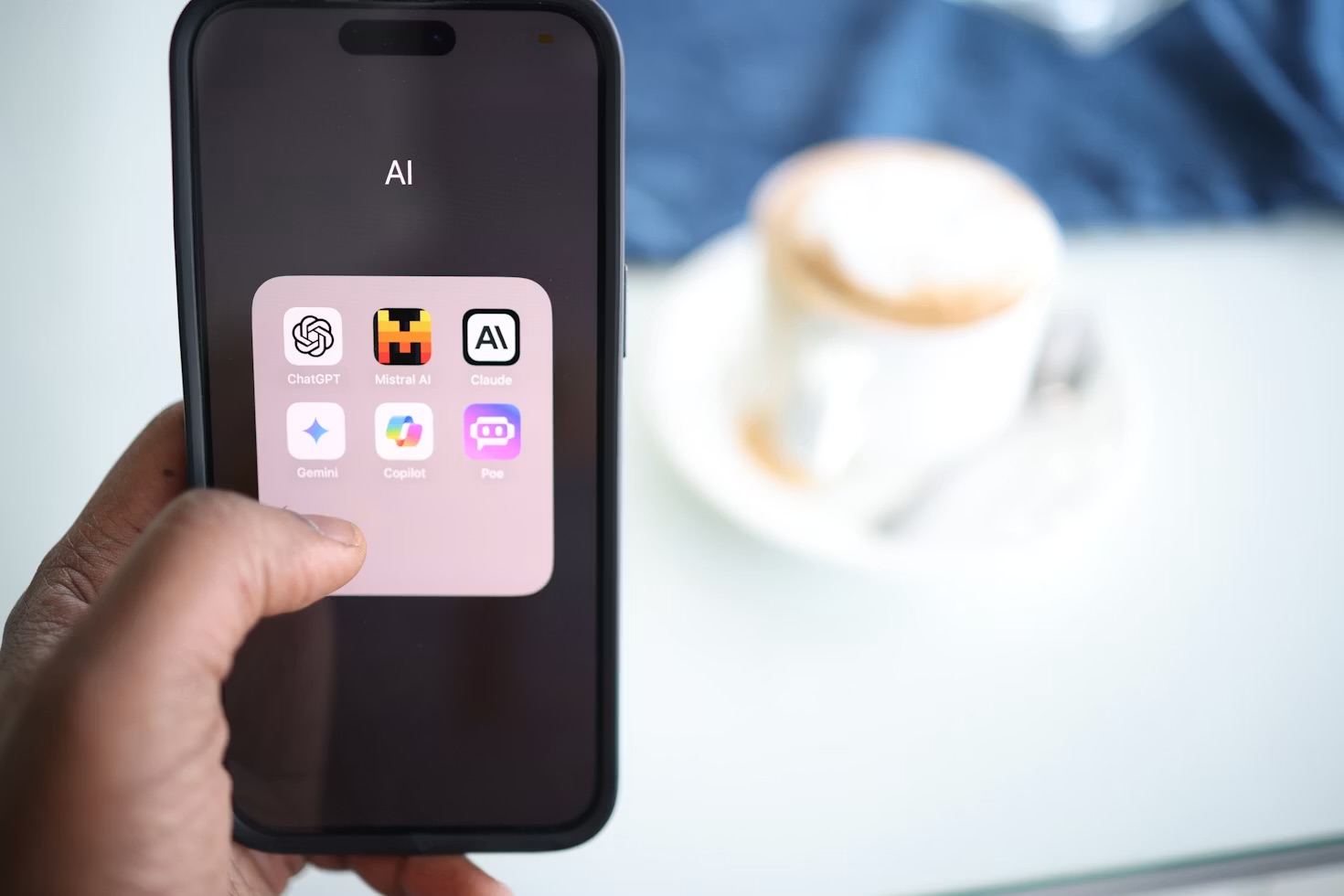
I spent 30 days using Claude as my primary writing partner. Here's what happened — and what no one else is telling you about AI creativity tools.
I'll be straight with you: I was sceptical. The AI hype machine has been running at full speed for two years now, and I've watched plenty of tools promise to "revolutionise your workflow" before quietly failing to do anything useful. Claude felt different from the first session — but I wanted to test that feeling properly before writing about it.
So I spent 30 days using Claude as my primary creative partner. Not as a toy. Not for occasional prompts. As the actual first draft of my writing process. Here's what I learned.
What Claude actually is — and isn't
Claude is a large language model built by Anthropic. It's not magic, and it's not going to replace your voice. What it is, when used well, is an extraordinarily fast thinking partner. It can hold context across a long conversation, push back when your ideas are half-formed, and help you structure thoughts you haven't been able to articulate yet.
The mistake most people make is treating it like a search engine with a natural language interface. That's not what it's for. The real value is in the dialogue — the back and forth of refining, challenging, and building.
"The best prompts aren't instructions. They're the start of a conversation."
The three modes I used it in
1. Thinking partner (before I write anything)
Before I wrote a single word of this article, I spent 20 minutes talking to Claude about what I actually wanted to say. I described the 30 days. I said what surprised me. I said what didn't work. Claude asked follow-up questions, flagged where my reasoning was fuzzy, and helped me find the actual thesis — which wasn't the one I started with.
This is where I found the most consistent value. Not in generating text, but in pressure-testing ideas before they become words on a page.
2. First draft accelerator
For some pieces — particularly technical explainers and listicles — I'd give Claude a full brief and ask for a first draft. The output was never publishable. But it was always a useful scaffold. The structure was usually sound even when the prose wasn't mine.
I'd rewrite every sentence, but having something to react to is dramatically faster than starting from a blank page. That speed is real and meaningful.
3. Editor and challenger
This was the surprise. I started pasting finished drafts into Claude and asking: "What's weak here? What are you not convinced by? Where does the argument fall apart?" The feedback was consistently sharper than I expected — not brutal, but genuinely useful in the way a good editor is useful.
The honest caveat: Claude will occasionally tell you things are good when they're not. It's trained to be helpful, which can veer into agreeable. Ask it to argue against your piece, not just review it — that's where the real value is.
What didn't work
Long-form first drafts. Every time I asked Claude to write something longer than 600 words from scratch, the result felt generic — grammatically correct but personality-free. The voice was missing. My voice was missing. For anything where the writing itself is the product, Claude works best as a collaborator, not a ghostwriter.
I also found diminishing returns on topics where I already had strong, developed opinions. Claude is most valuable when you're still working things out. Once you know exactly what you want to say, it's faster to just write it.
The actual workflow I settled on
- Brief Claude before you write anything — describe the piece, the audience, and what you're trying to achieve
- Talk through your ideas — don't just prompt, have a conversation
- Write the first draft yourself — now you have clarity
- Ask Claude to challenge it — specifically request criticism, not praise
- Revise with what you've learned
After 30 days, this is the process I use for every piece on Brite. It's not about replacing the work — it's about making the thinking that goes before the work better and faster. Claude isn't the only assistant I keep open, though: if you're weighing it against the obvious alternative, I've written a candid ChatGPT vs Claude comparison on which one I actually reach for, and when.
"AI doesn't replace you — it multiplies you."
Should you use Claude for your creative work?
If you're a writer, content creator, or anyone who produces ideas for a living — yes. Not as a shortcut, but as a tool for thinking harder and faster. The quality of your output will depend entirely on the quality of what you bring to the conversation.
The people getting the most out of AI right now aren't the ones prompting for finished work. They're the ones using it to think better. That's the shift worth making. It's also the argument I spend most of AI Made Simple, my plain-English book on working with these tools, trying to make properly.
Creative work is where I most wanted AI to help and where I was most sceptical of the claims. The same instinct to test a number rather than trust it is how I approach most of what gets written here.
There is a point where the interesting part stops being the prompt and starts being the production — the ad cut, the thumbnail system, the mockups that make a product look like it exists. That is the work I take on through the Brite digital studio, and most of it now runs on exactly the workflow described above.
Creative work was where I most wanted the help. Code turned out to be where I got the most of it — my honest first week with Cursor covers what that actually produced. The most unexpectedly creative thing I have pointed it at was not writing at all — thirty days tracing my family tree with AI turned research into something closer to storytelling.
Questions people actually ask
Is Claude AI good for creative writing?
As a collaborator, yes; as a ghostwriter, no. Every time I asked it to write anything over about 600 words from scratch, the result was grammatically correct but personality-free — my voice simply wasn't in it. Where it consistently earned its place was in pressure-testing ideas, structuring drafts and challenging finished pieces.
What is Claude AI actually best at?
After 30 days I settled on three uses: a thinking partner before I write anything, a first-draft scaffold for structured pieces like technical explainers, and an editor I ask to find weaknesses in finished drafts. The editing role was the surprise — the feedback was consistently sharper than I expected.
Will Claude AI replace human writers?
Not for work where the writing itself is the product. The prose it generates from scratch lacks a voice, and it's most valuable when you're still working out what you think — once you know exactly what you want to say, it's faster to just write it. It multiplies your thinking rather than replacing it.
How do you get better results from Claude?
Stop treating it like a search engine and start a conversation: brief it on the piece, the audience and what you're trying to achieve, then talk the ideas through. And ask it to argue against your work rather than review it — it's trained to be helpful, which can veer into agreeable, so you have to explicitly request criticism.
How long a document can Claude actually handle at once?
Enough that length stops being the constraint for most real work — you can hand over a full report, a long transcript or several chapters and ask questions requiring all of it at once. That is the practical difference from tools that quietly truncate: the answer reflects the whole document rather than its opening. The limit worth watching is not size but attention. A very long input paired with a vague question produces a vague summary. Long documents reward specific asks — name the section, name the comparison, name what a good answer would contain.
Does using AI for a first draft make writing sound generic?
It does if you let the draft survive, which is the actual risk rather than the one people usually worry about. The failure mode is not that AI writes badly; it is that it writes acceptably, and acceptable prose is very easy to leave alone. Anything that reaches a reader here gets rewritten in my own voice, because the draft's job is getting past the blank page, not being the thing published. The tell is smooth, confident sentences making no specific claim — if a paragraph could have been written by someone who had never done the thing, replace it with something only you could have written.