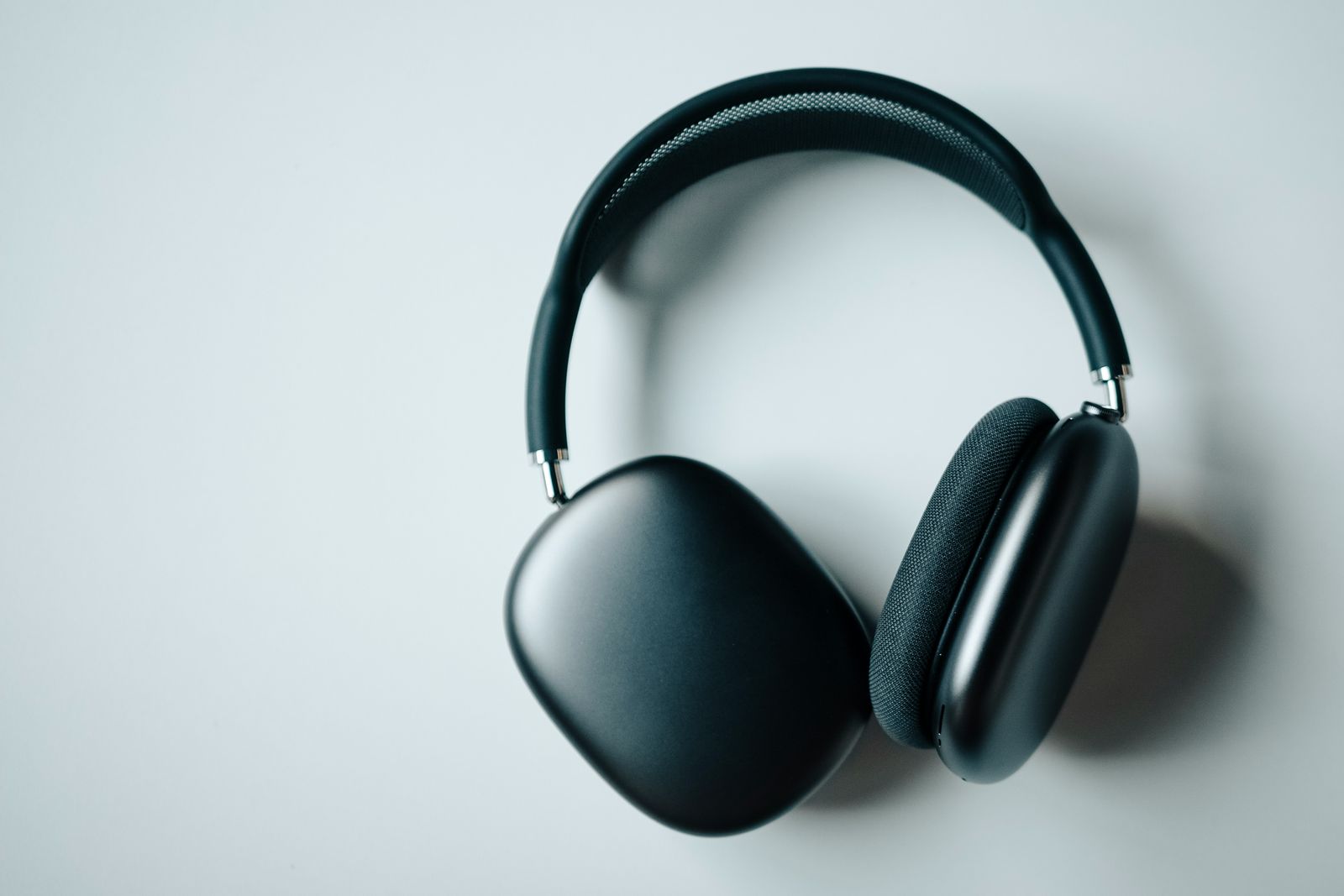
I own a genuinely excellent pair of wireless noise-cancelling headphones, and I stand by every word I wrote about them. So it surprised me too when, over the last couple of months, I quietly started reaching for an old wired pair instead — not for music, not for walking the dog, but for the two things I actually do at this desk every single day: video calls and editing. It wasn't the sound quality that pulled me back. It was everything else.
The wireless comeback story has been written a hundred times, and I didn't set out to write another one. I like my Bluetooth pair. I use it most days. But somewhere around the third dropped word on a client call this summer, I started noticing a pattern I couldn't ignore, and once I noticed it I couldn't unsee it.
The call that made me dig out the cable
It was an ordinary Tuesday, a scheduled call with someone I'd been trying to book in for weeks, and my headphones died at twelve minutes in. Not low-battery-warning died — just gone, mid-sentence, the way Bluetooth devices do when you've been meaning to charge them and kept not quite getting round to it. I fumbled for my phone's speaker, apologised, and finished the call sounding like I was in a stairwell. Nothing about that was the headphones' fault, exactly. It was mine, for trusting a device with a battery to be ready when I needed it most. But it was also the first time I'd actually felt the cost of that trust, rather than just knowing it existed.
What I actually noticed once I started paying attention
A dead battery is the obvious failure, but it turned out to be the least of it. Once I switched a wired pair back into my everyday desk rotation, three smaller things stood out that I'd stopped noticing because I'd never had anything to compare them against:
- The mic sounds different on calls. A colleague mentioned, unprompted, that I sounded "clearer" on a call — I hadn't changed anything except the headset. Most Bluetooth headsets split limited bandwidth between what you hear and what your mic sends, and lean on a heavily compressed call profile to manage it. A wired mic just doesn't have that trade-off to make.
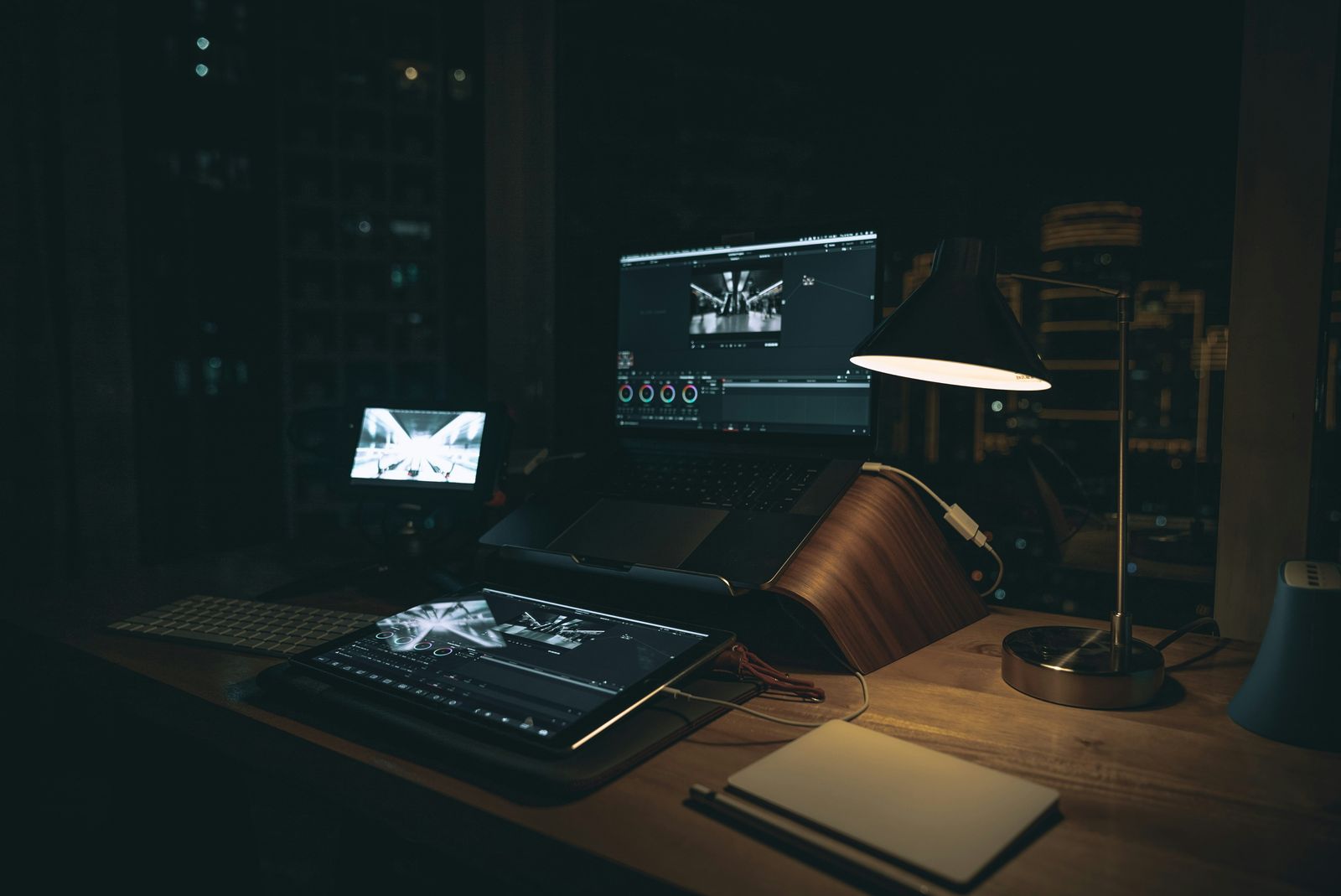
- There's no lag when I'm editing. When I'm lining up voiceover against a video timeline, Bluetooth's tiny variable delay between source and ear is the kind of thing you don't notice until you're trying to catch a beat exactly on a cut, and then it's the only thing you notice.
- Pairing just isn't a step anymore. Plug in, done. No hunting through a Bluetooth menu because my laptop remembered a different device last, no half-second of silence while it reconnects. It sounds trivial written down. It adds up across a working day.
The setup I actually run now
I haven't retired the wireless pair, and I'm not about to pretend I have. The noise-cancelling headphones I wore for 30 days are still the best tool I own for blocking out the dog, the road and the kettle when I need to actually concentrate on writing — nothing wired does that job, because the whole point of that pair is the cancelling, not the cable. But calls and editing are a different job with a different failure mode, and for those two specifically, a wired headset is now what I reach for without thinking about it.
That split took me a while to accept, mostly because "which headphones should I buy" is usually framed as a single decision rather than two separate ones with different right answers.
"I went looking for a sound-quality argument for wired headphones and didn't really find one worth making. What I found instead was a reliability argument I hadn't been looking for at all — and that one's held up on every call since."
Where wireless still genuinely wins
I want to be fair to the pair that died on me, because the failure was mine as much as its. Wireless headphones are still the better choice for anything that involves moving around — cooking, walking, the gym — and the newest ANC chips do a job with background noise that a wired pair simply can't touch. If your headphones spend most of their life away from a desk, I'm not telling you to go buy a cable. I'm telling you what changed for the specific two hours a day I spend on calls and in an editing timeline, where the phone staying charged, the mic staying clear and the picture staying in sync matter more than the freedom to pace around the room.
The honest verdict: This was never really a sound-quality upgrade — it was a reliability one. I keep wireless ANC headphones for blocking out the house and a wired pair permanently plugged in at my desk for calls and editing, and I've stopped treating that as a compromise. It's just two different jobs.
What I'd actually do this week
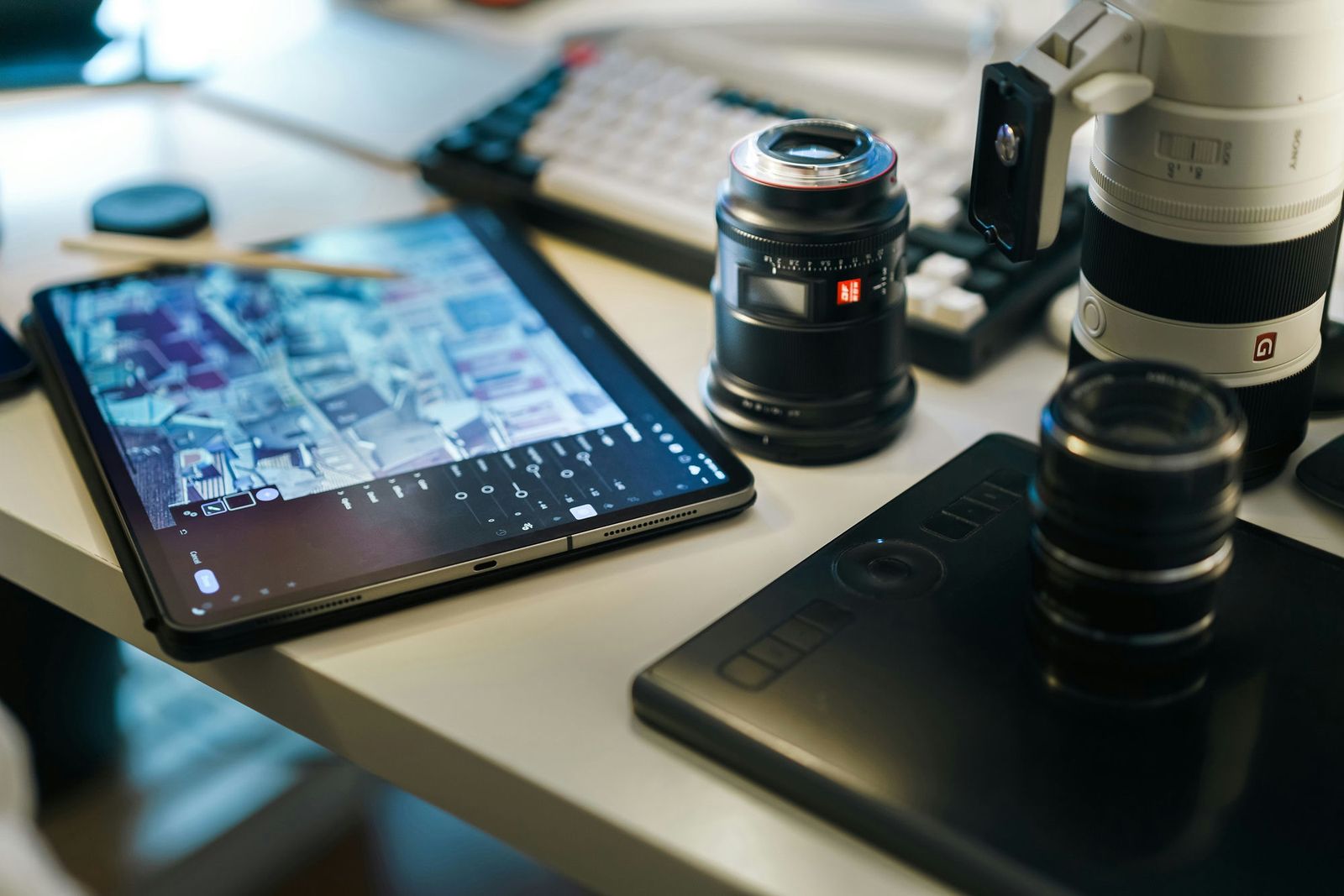
If you work from a desk and haven't reached for a wired pair in years, plug one in for your next call before you decide the whole idea is nostalgia. It's the same habit that made me actually go and test the blue light glasses claim instead of just assuming it was true — check the thing you've stopped questioning, because sometimes it's still right and sometimes it quietly isn't. I run most of my writing and research from the iPad Pro setup that runs this whole site, and even there, a cheap wired pair via the USB-C port is what's plugged in the moment a call starts. You don't need to replace anything. You just need a backup that can't run out of battery.
Questions people actually ask
Do wired headphones actually sound better than wireless?
For most people, on most tracks, the honest answer is barely — modern Bluetooth codecs have closed most of that gap. Where I can genuinely hear it is monitoring while I edit: a wired signal is instant, with none of the tiny, variable delay Bluetooth introduces between the source and what reaches my ears. That delay doesn't matter for casual listening. It matters a lot when you're lining up audio to video.
Why do wired headphones have better mic quality for calls?
Bluetooth headsets have to split limited wireless bandwidth between the audio going to your ears and the audio coming from your mic, and the call-quality profile most of them fall back to compresses your voice hard to make room. A wired headset's mic runs down its own dedicated line with no such trade-off, which is the difference people on the other end of my calls actually notice, even if I don't.
Have you stopped using wireless headphones completely?
No, and I don't think I ever will. My noise-cancelling wireless pair is still what I reach for to block out the house when I need to concentrate — nothing wired does that job. The cable comes out specifically for calls and editing, where reliability and zero lag matter more than the freedom to walk around the room.
Is battery anxiety a real reason to choose wired headphones?
It was the reason that actually got me, more than sound quality ever did. A wired pair has no battery to forget to charge, so it can't die twelve minutes into a client call the way my wireless pair did once. That single afternoon did more to change my habits than any spec sheet comparison could have.