Topic Hub · Wearables
Wearable & Fitness Tech Reviews
Every device on this page spent weeks on my body — not an afternoon on a spec sheet.
Wearables are the easiest technology in the world to buy and the hardest to keep using. I've worn a smart ring and a Whoop band at the same time for six weeks, chased 10,000 steps until I questioned where the number even came from, and stuck a glucose sensor to my arm without being diabetic — all so these reviews could say something a spec sheet can't: what actually changed my behaviour.
If you're new here, start with the Whoop vs Oura head-to-head — it's the clearest picture of how two very different philosophies of recovery tracking feel to live with. Then use the wearable data guide to turn whatever is already on your wrist into decisions instead of dashboards.
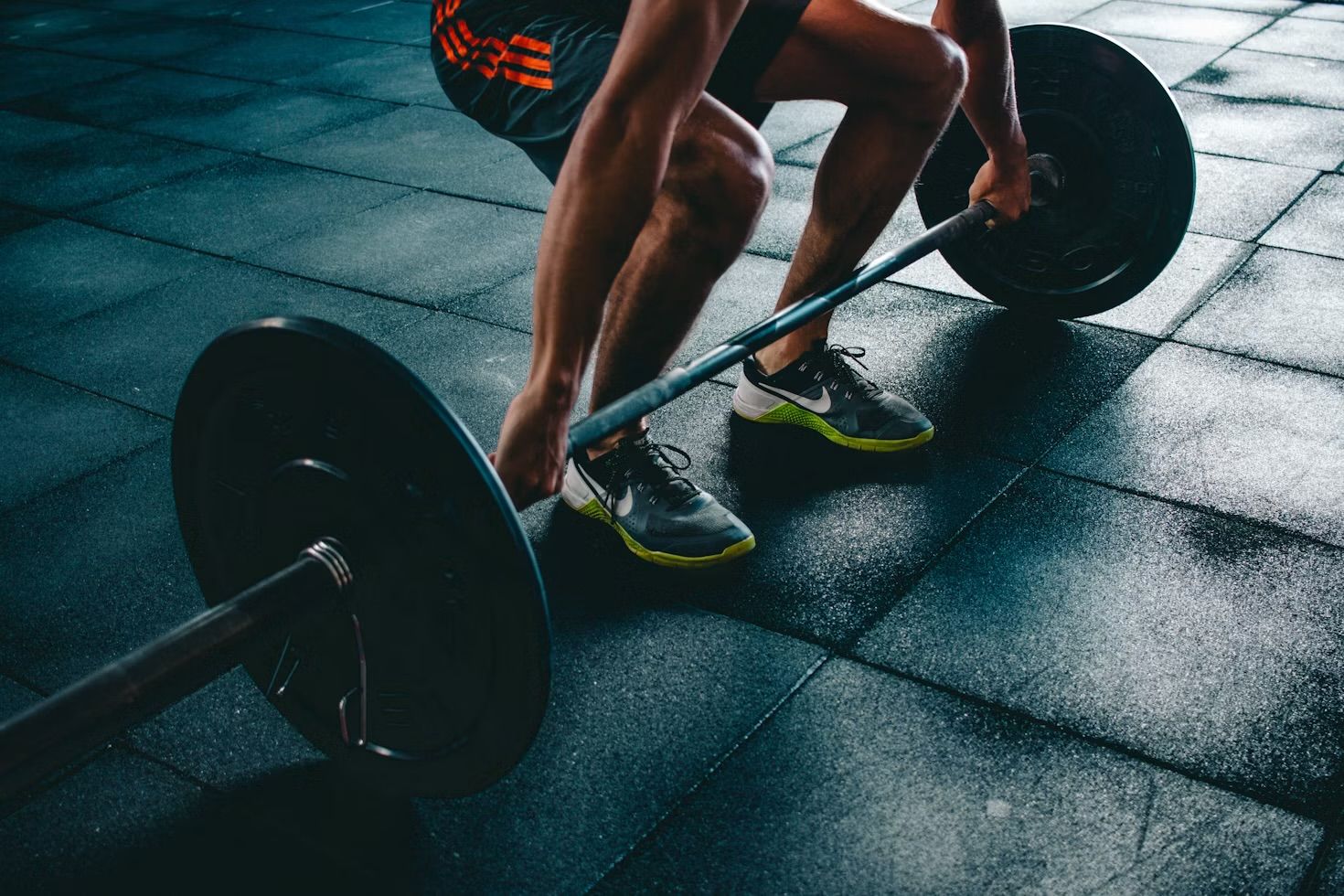
I logged the same lifting sessions in a gym app and in a £3 notebook for eight weeks. Here's what each caught, what each missed, and which one I'd hand a beginner.
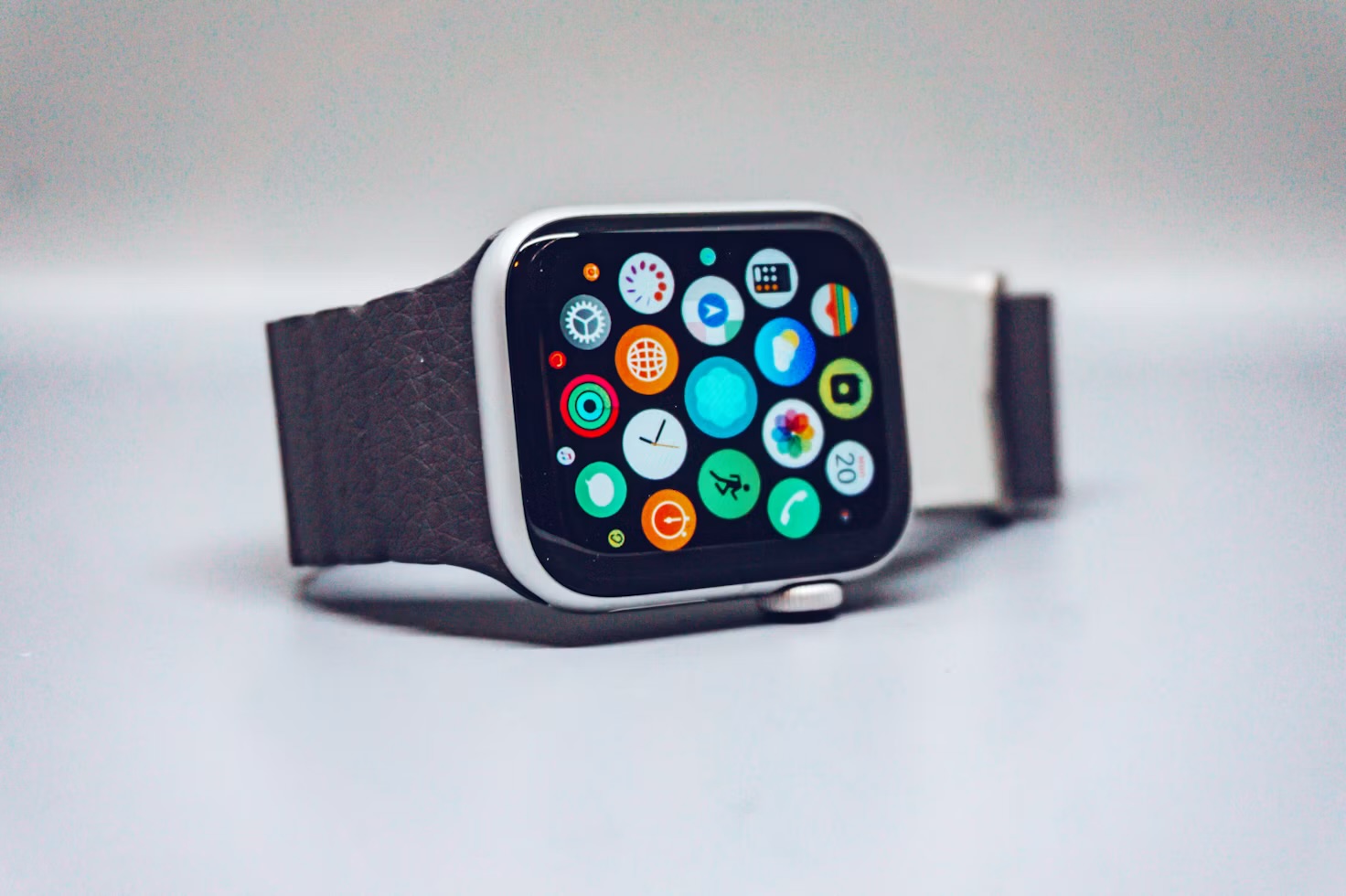
My watch's app grid had quietly filled itself with apps I never chose. Here's the audit, the five I kept, and the ten-minute clean-up that made it feel calmer.

I ran three apps against the same training block for two months. Here's the only one I'd pay for, the one that's free and still earns its spot, and why.
I ran myself into a dead week this spring before I ever looked at Training Load. Here's how to set it up, read it, and cross-check it against Vitals.
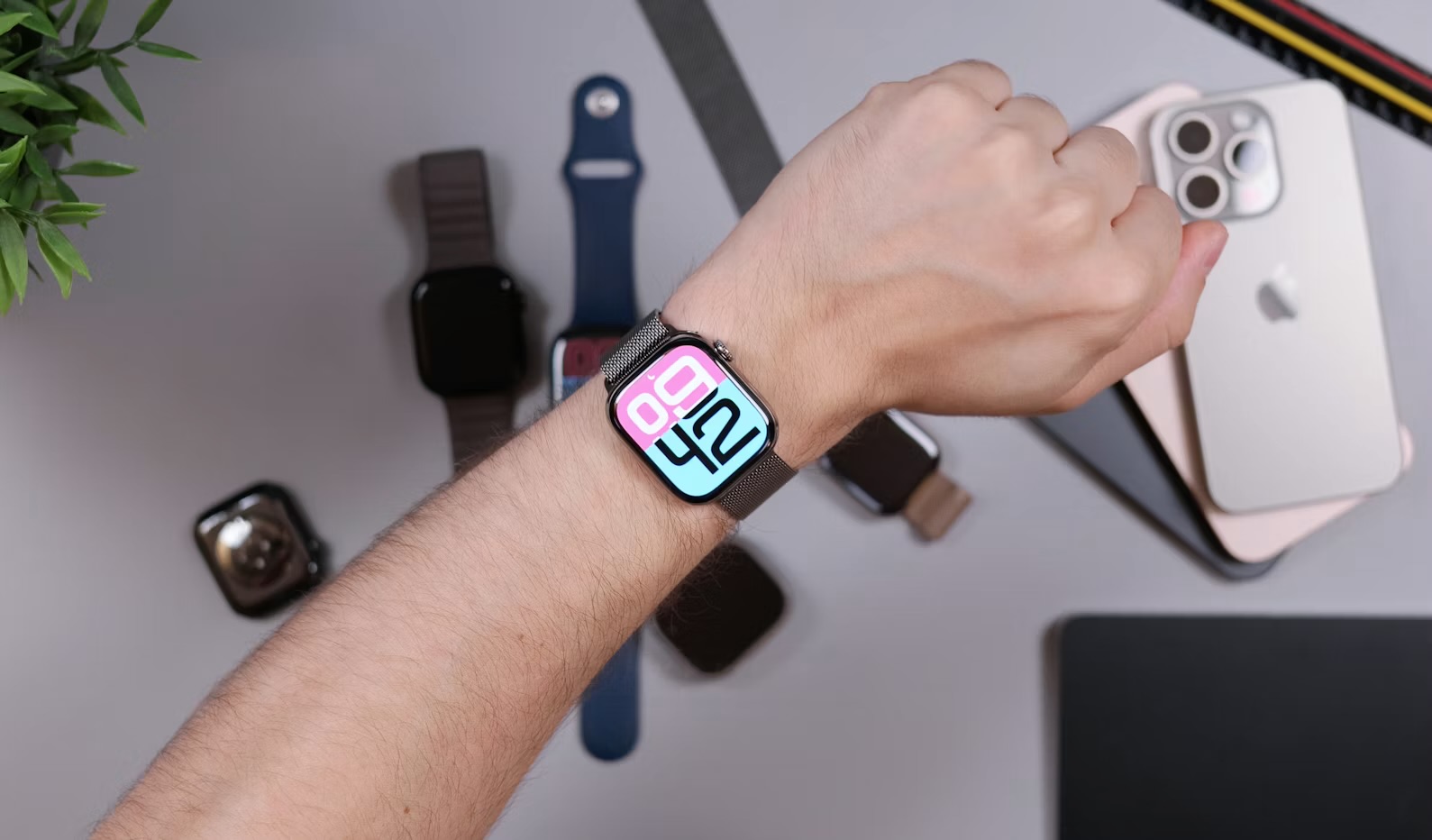
My watch keeps flagging my VO2 max as 'below average.' Here's why I stopped chasing that number, what it actually measures, and what I track instead.

After years of smart rings, watches and bands, most features don't matter. Here are the five wearable metrics I actually check every day — and the four I switched off.
I built a full training plan using ChatGPT instead of paying a personal trainer. Here are the exact prompts, structure and guardrails that make it genuinely work.
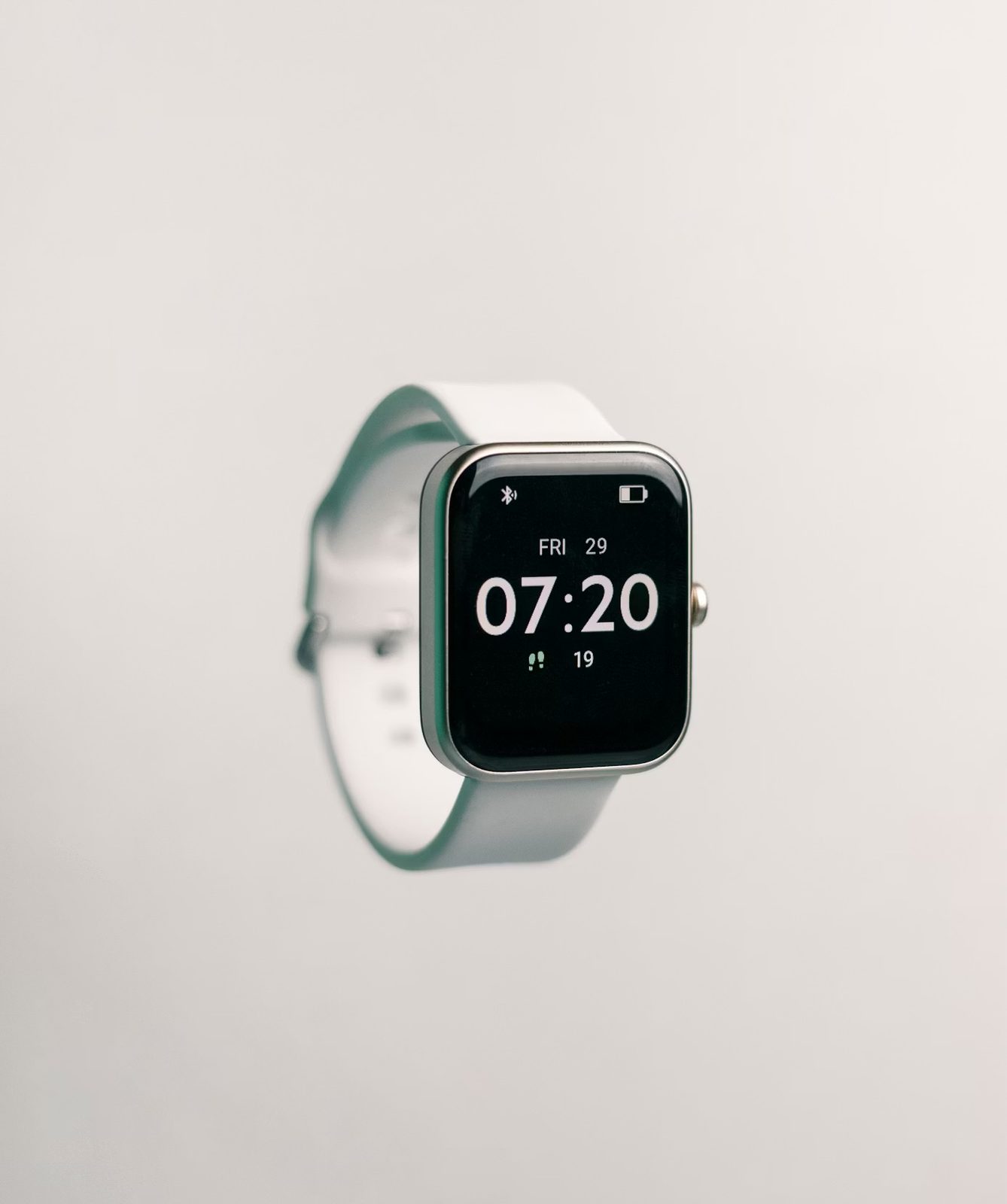
I slid an under-desk walking pad beneath my standing desk and walked while I worked for a week. Here's what surprised me, what annoyed me, and whether it's worth it.
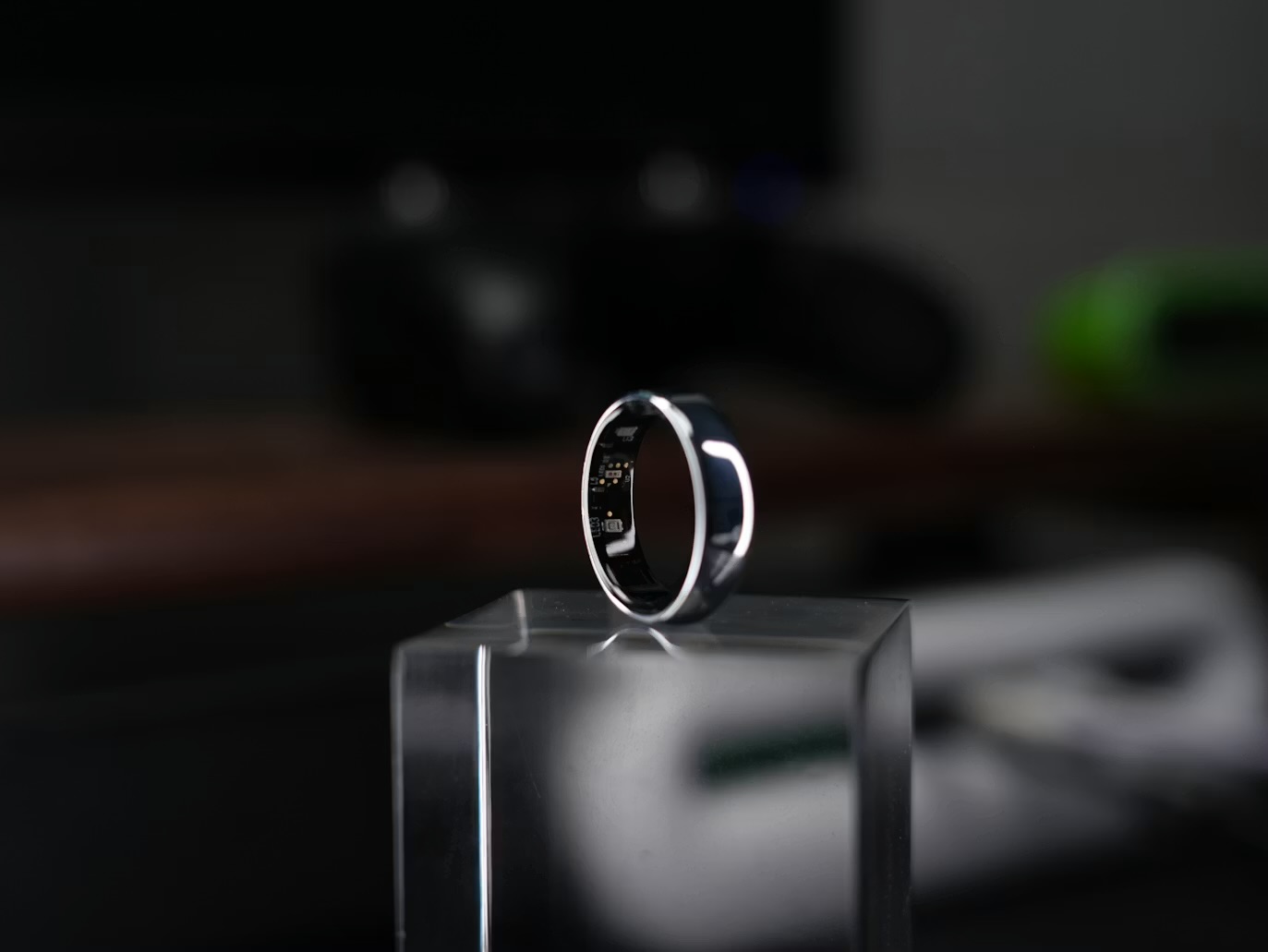
After two years of waking up to a sleep score, I turned off nightly sleep tracking. Here's why the data made me sleep worse — and what I actually do now.
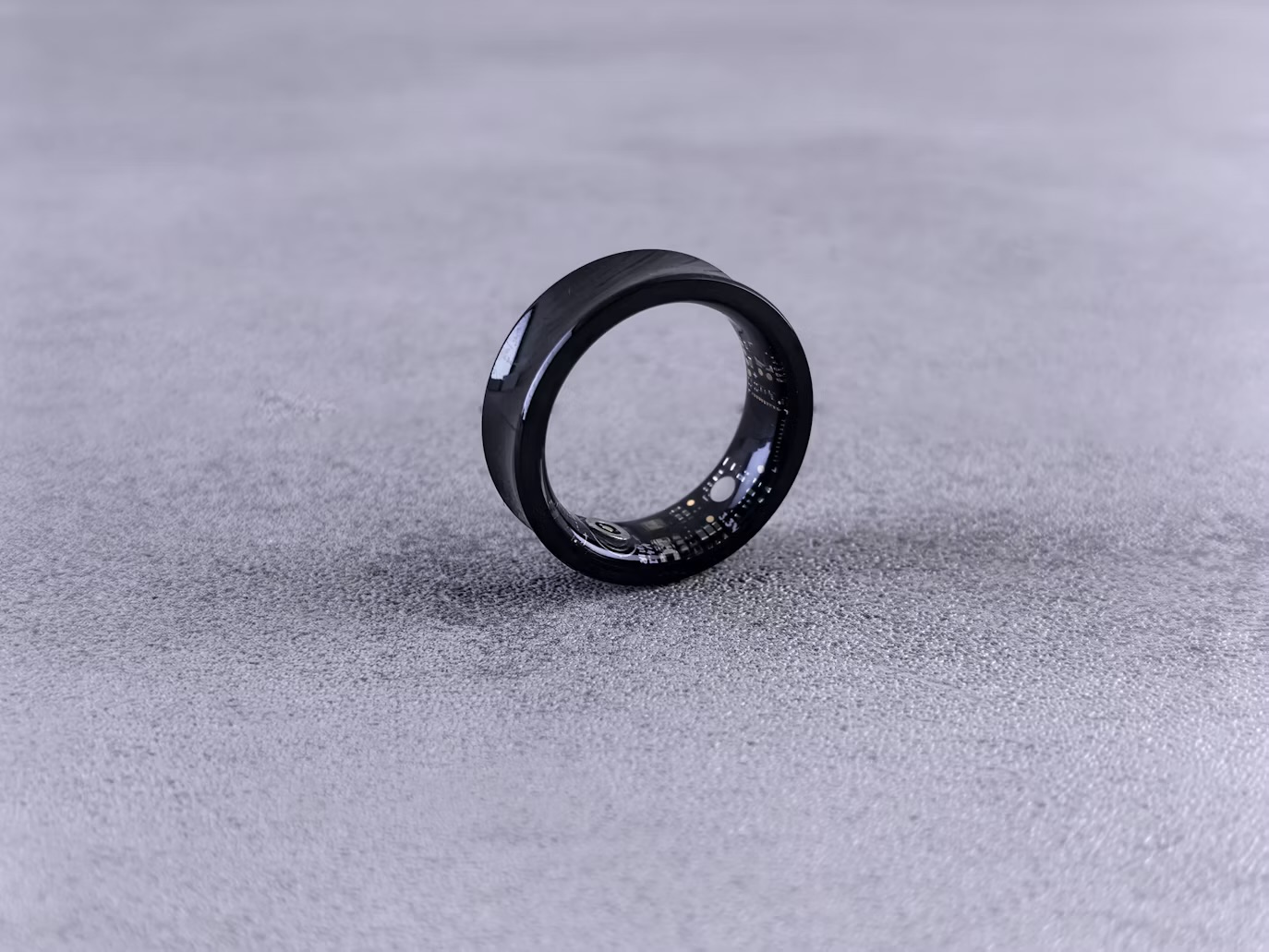
I wore a Whoop 5.0 on one wrist and an Oura Ring 4 on the other for six weeks. Here's which one actually changed how I trained — and which one I took off first.
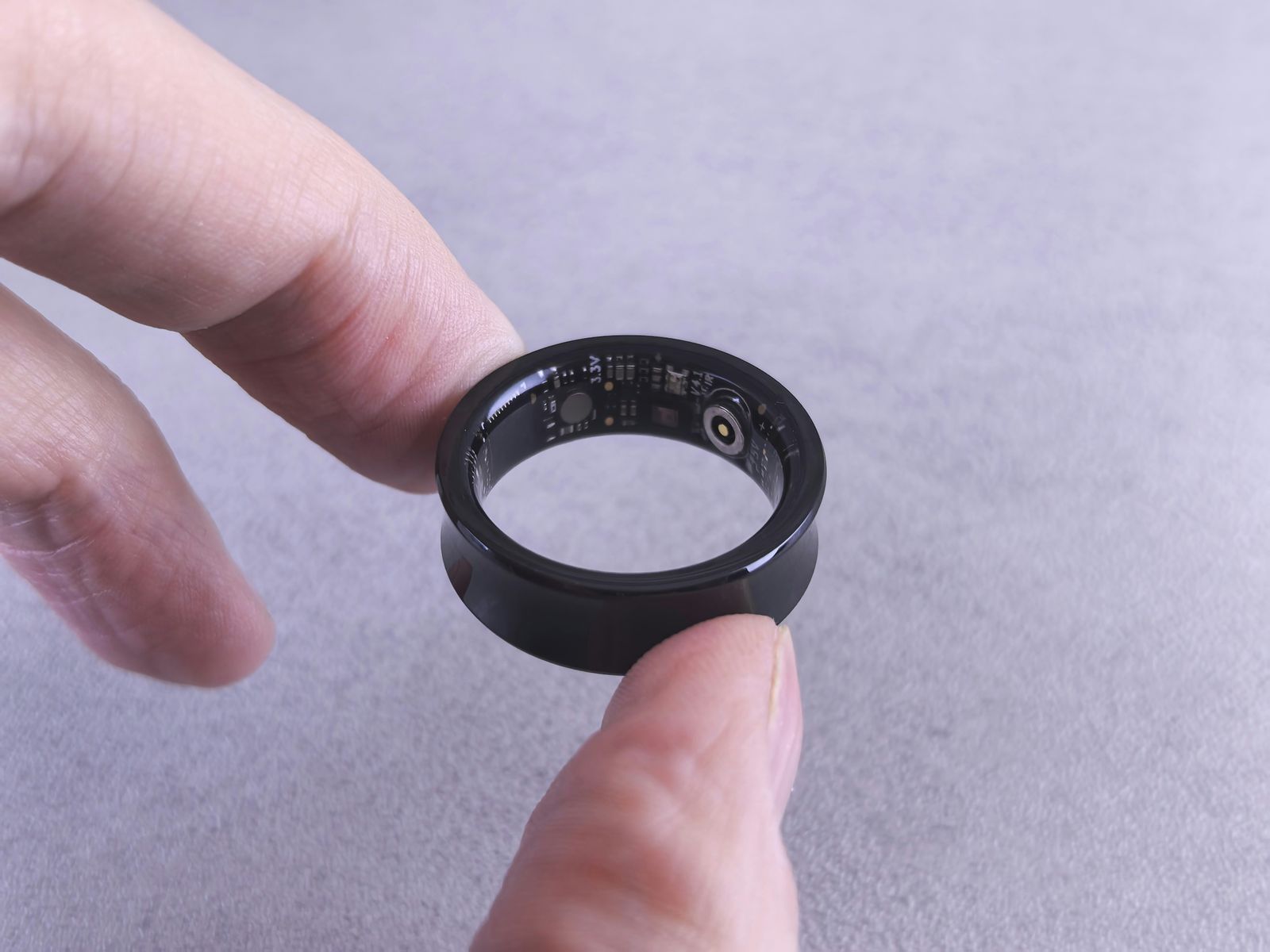
I swapped my watch for a ring for a month to see if less screen actually meant better data. It turned out to be less about the tech and more about what I…
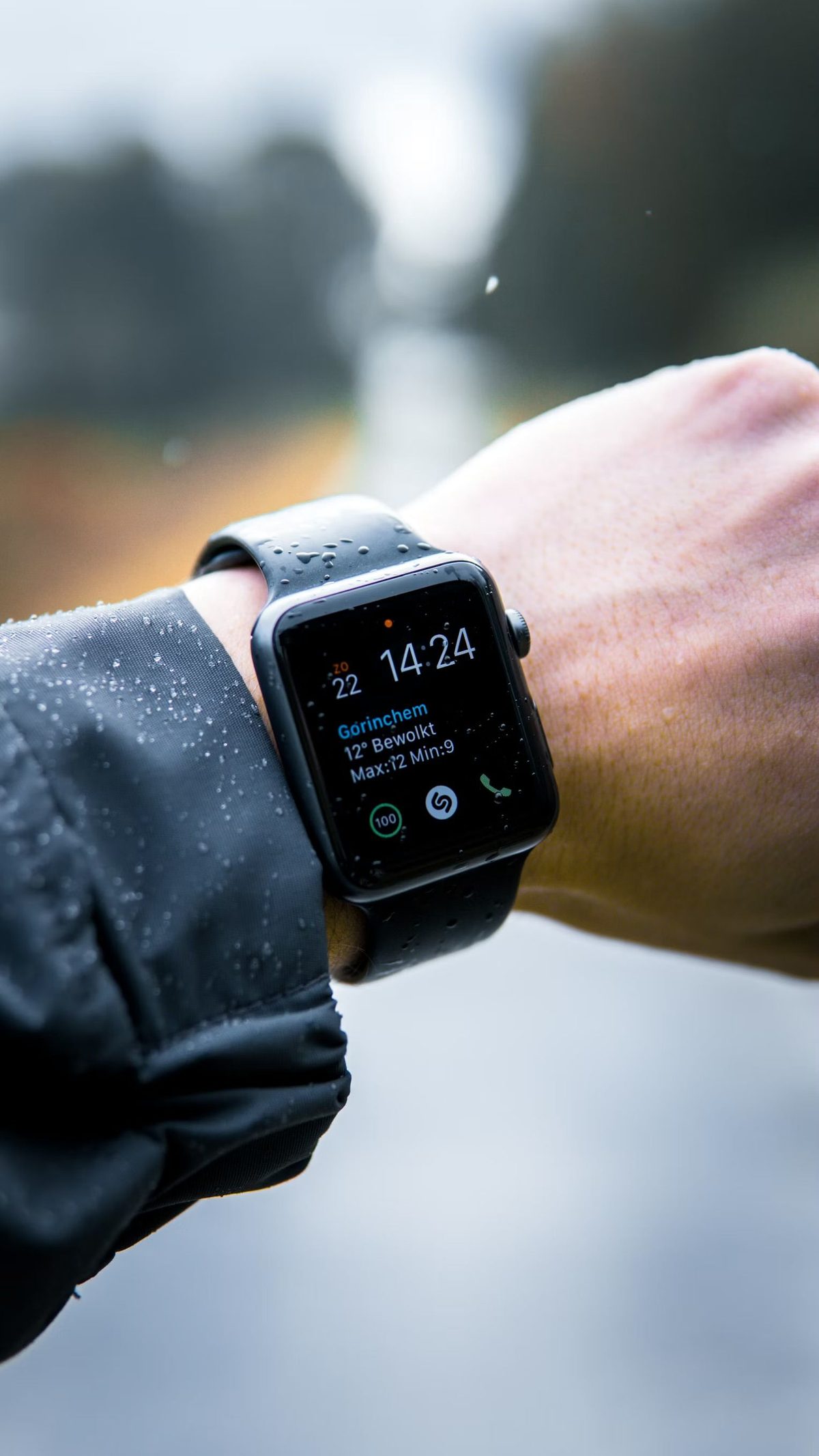
After wearing both for three months, here's the honest answer — and it depends entirely on what kind of person you are.
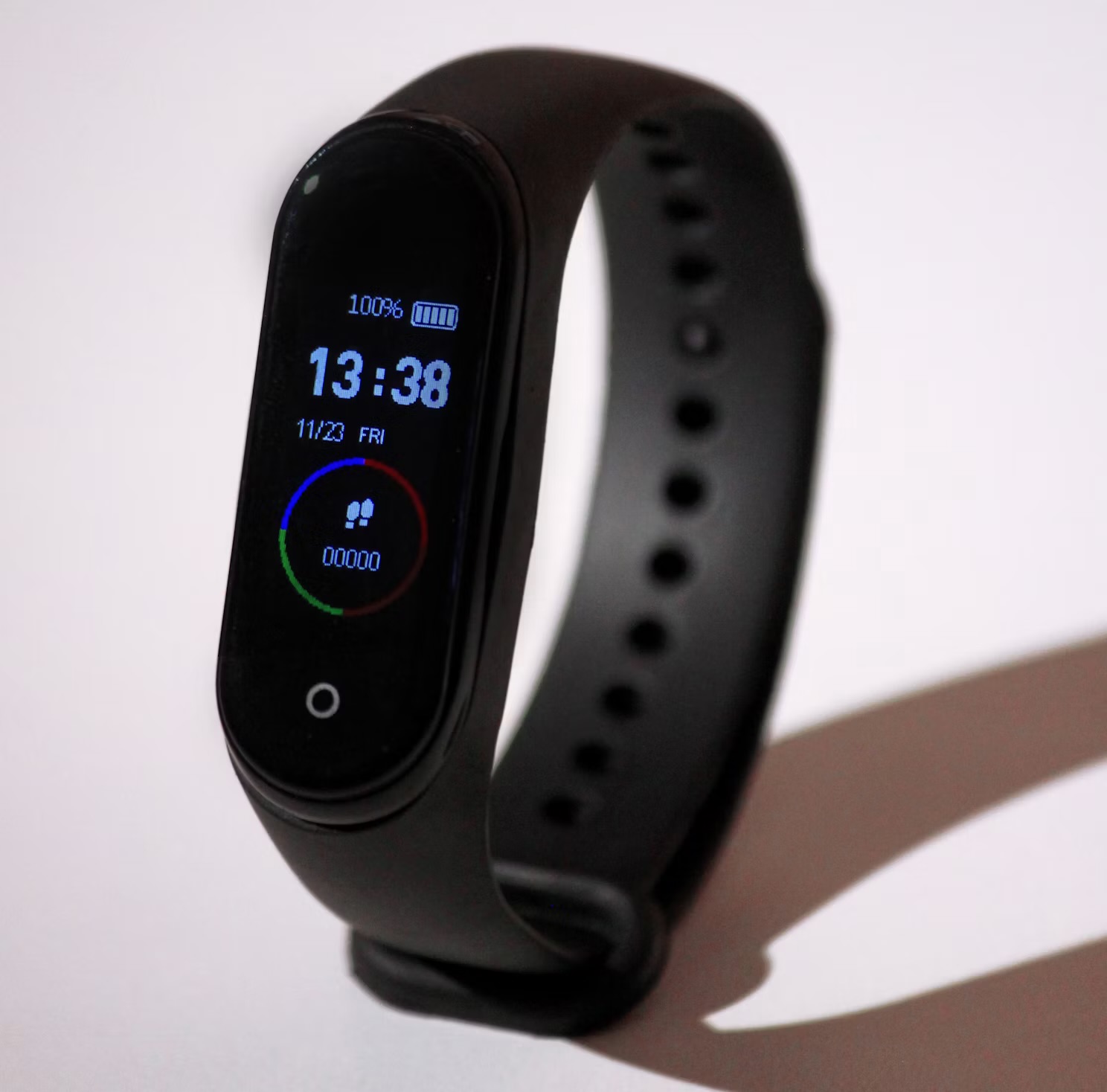
I chased 10,000 steps a day for years without asking where the number came from. Then I looked at what my watch was actually measuring — and it fell apart.
I'm not diabetic. I don't have a blood sugar problem I know of. And yet last Monday I stuck a coin-sized sensor into the back of my arm and let it read my…
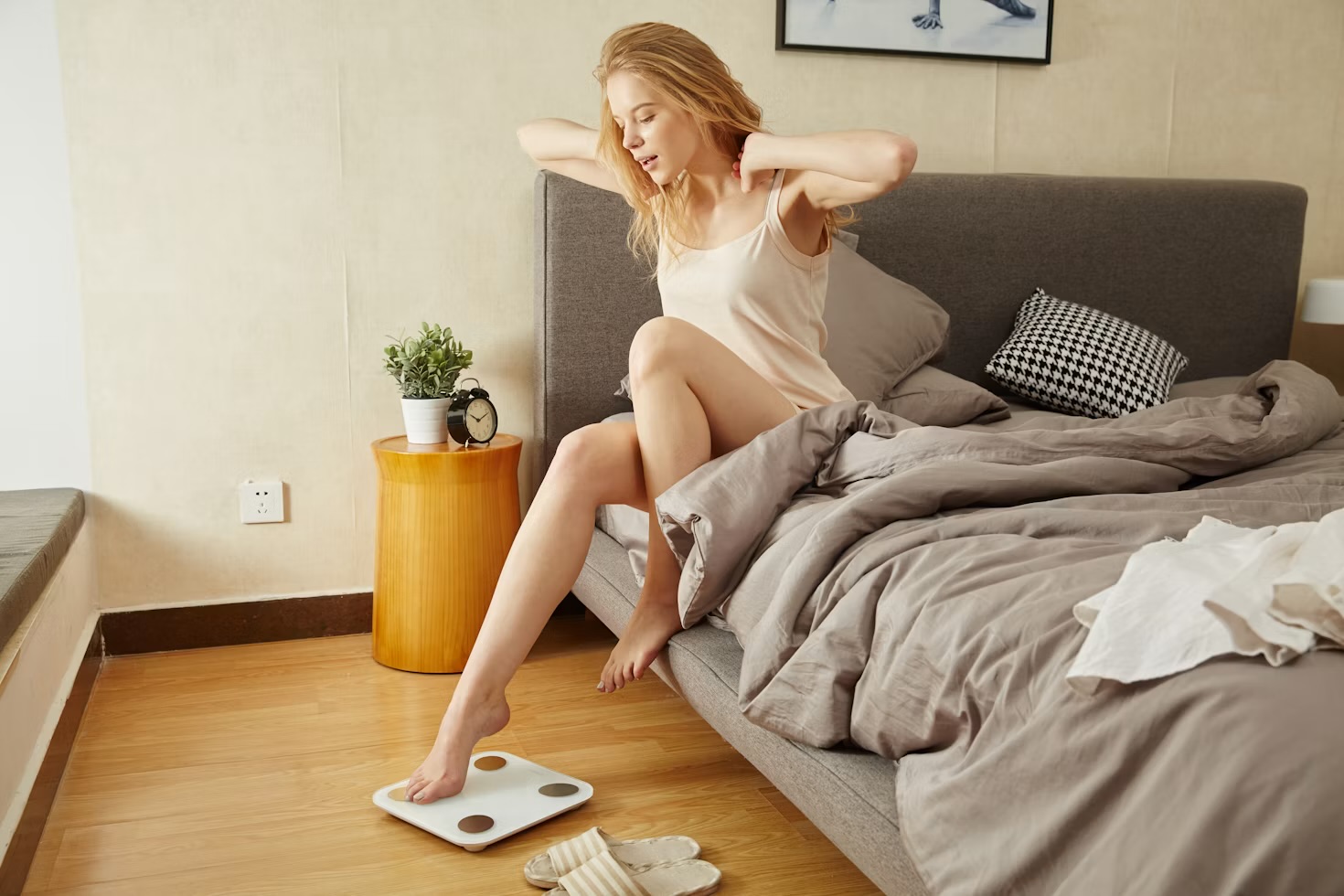
I've weighed myself on the same bathroom scale for a decade and learned almost nothing from it. A smart scale promised body composition, trends, and context…
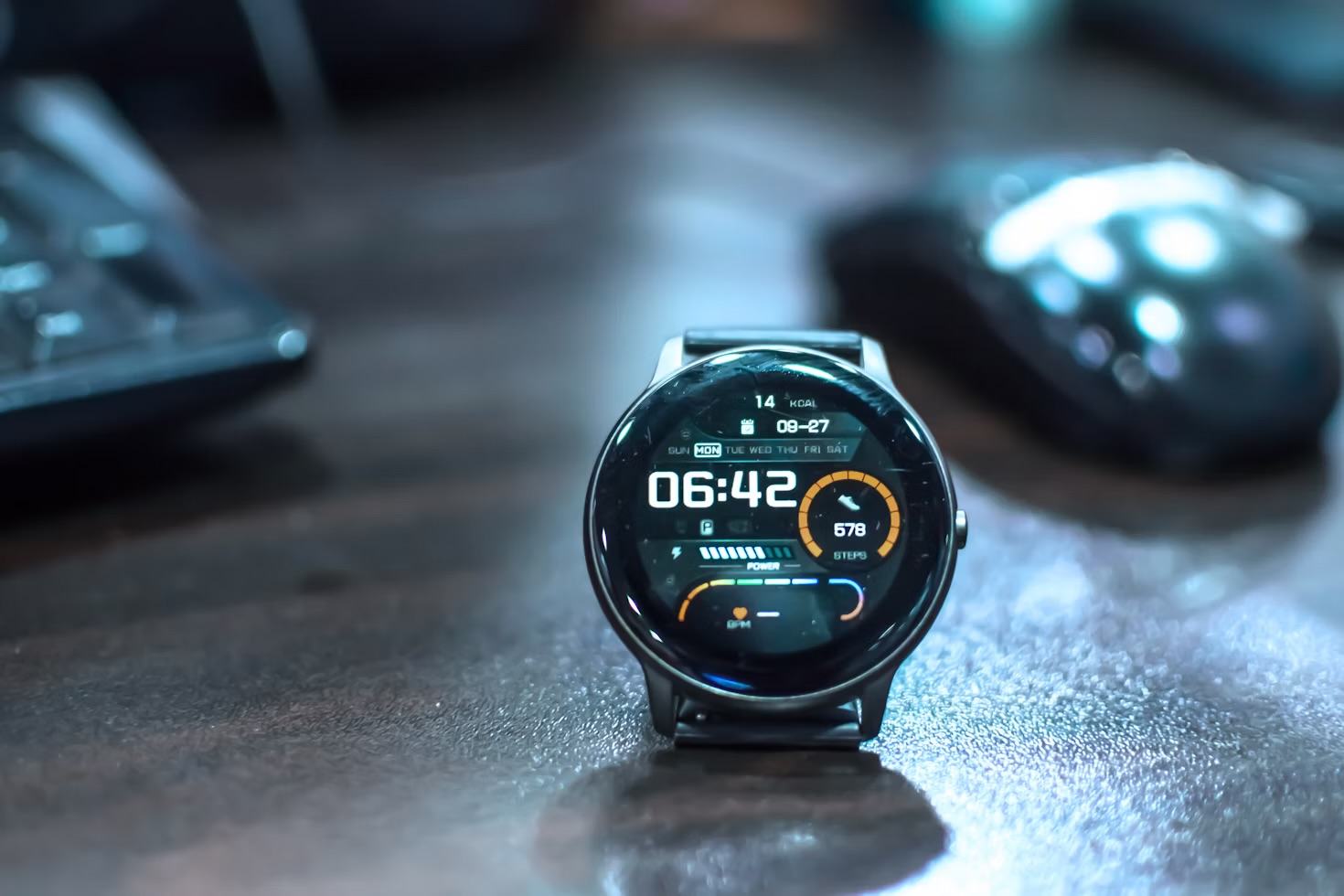
Your smartwatch is collecting data you've never looked at. Here's what it means, and what to do with it.
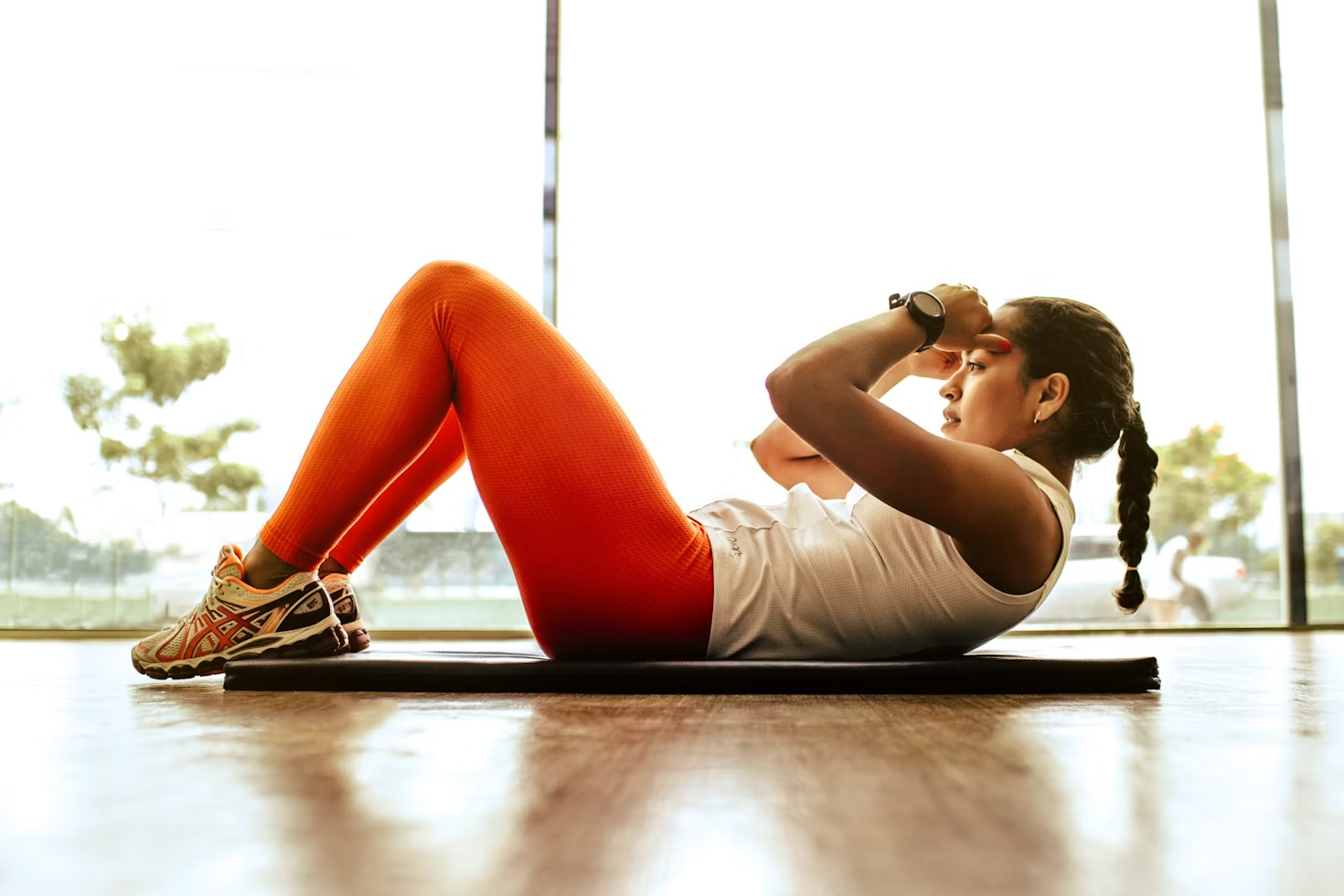
I handed my strength training over to Fitbod's AI coach for a week instead of writing my own plan. Here's what it got right, what it got wrong, and what surprised me.
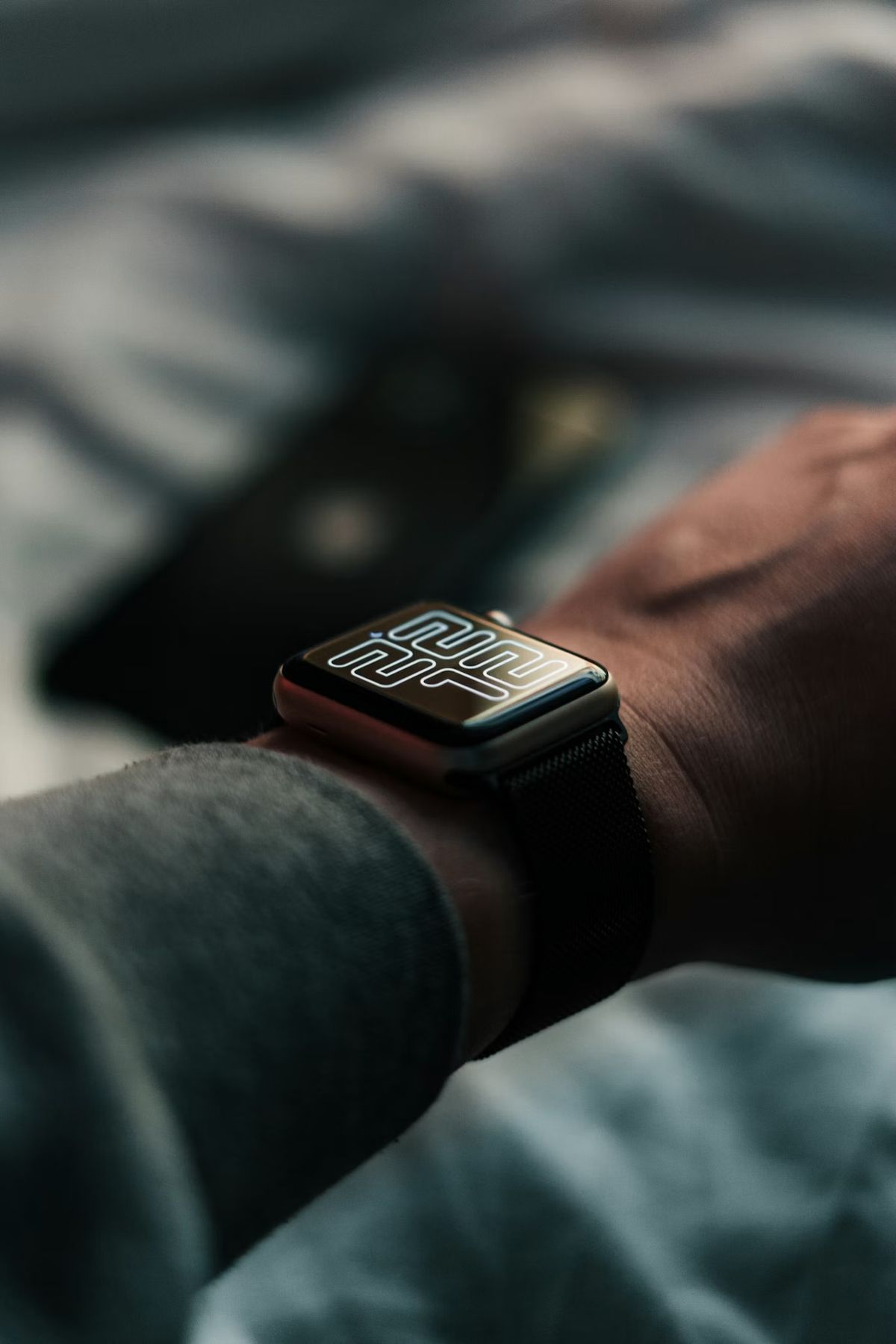
I'll never need satellite SOS or a dive computer. I wore Apple's most rugged, most expensive watch for 30 days anyway to see what a non-athlete actually gets from it.
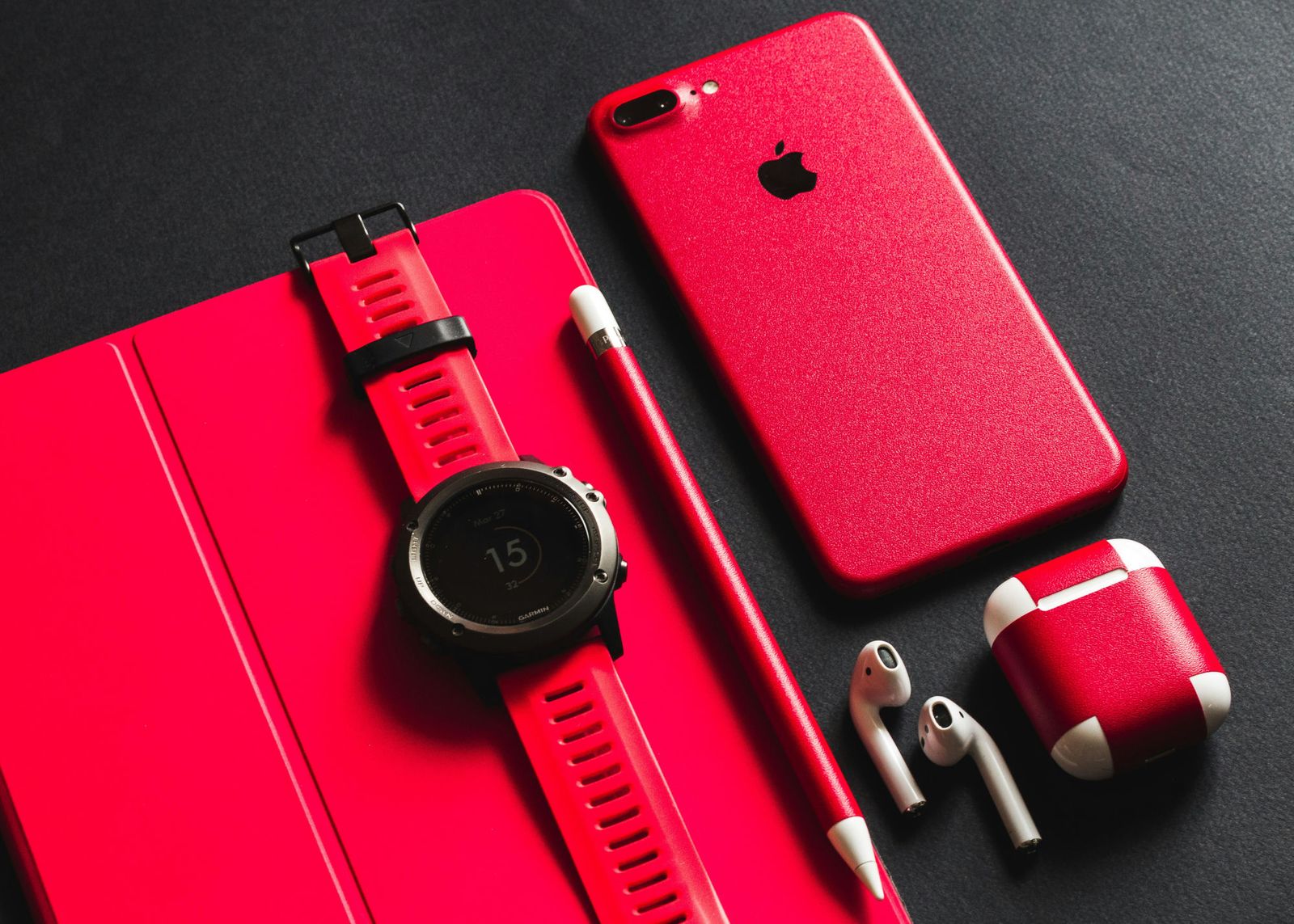
I wore a Whoop for six weeks and stopped guessing whether to train hard or rest. Here's the exact 5-step system that turns its recovery score into a real plan.
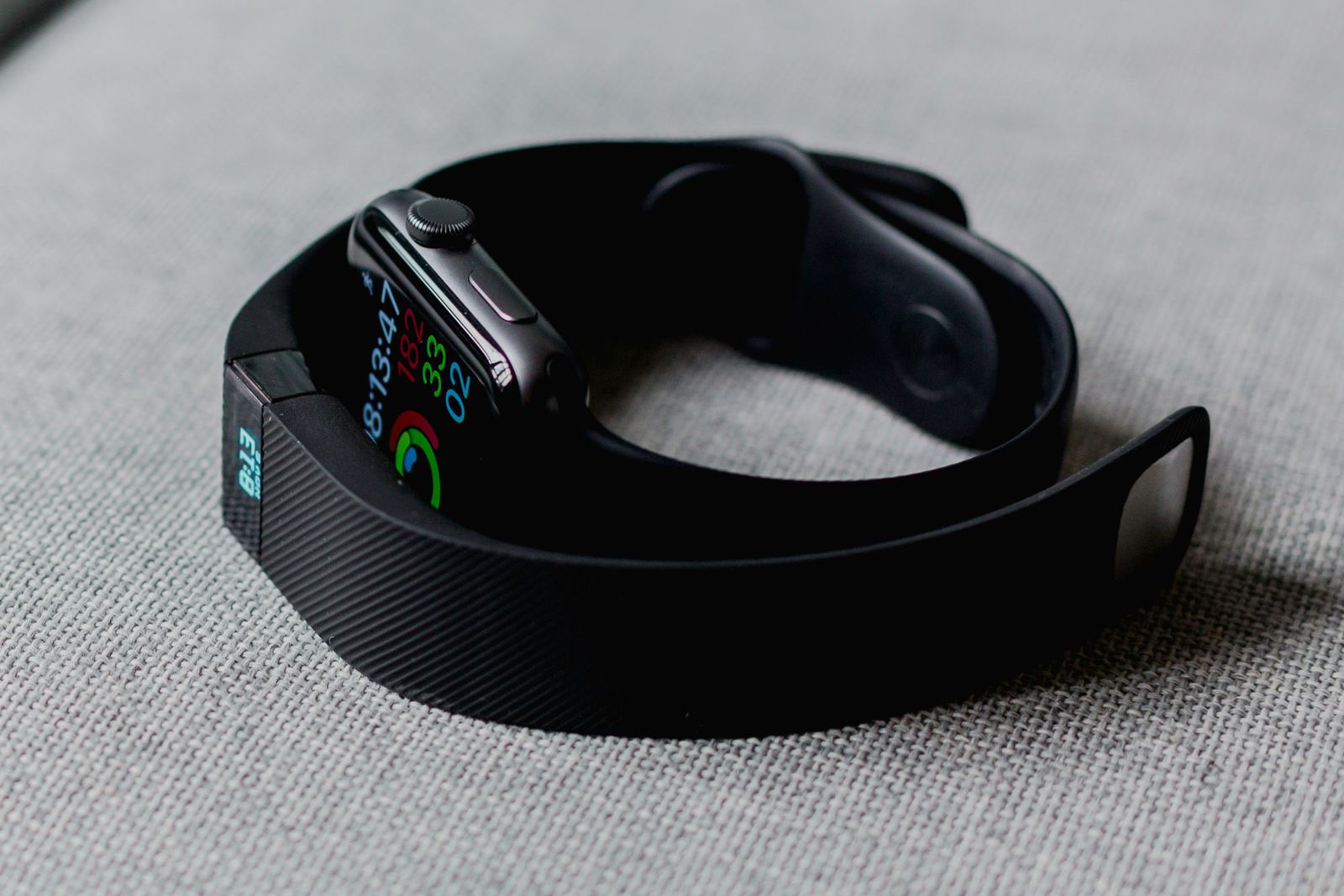
I tracked three weeks of sleep on a smart ring and a smartwatch, on the same nights. Here's where the data agreed, where it didn't, and which one I kept on the nightstand charger.
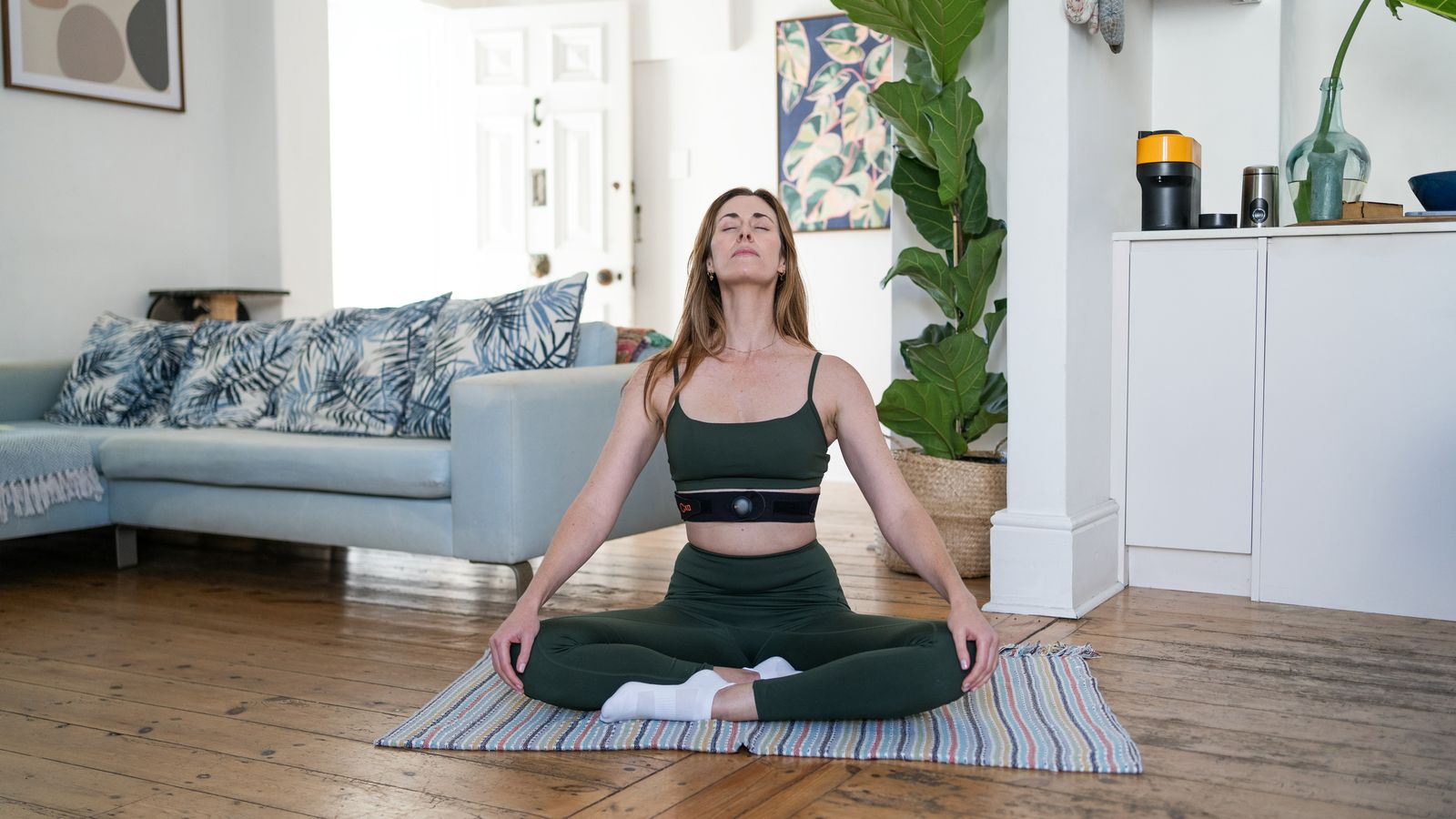
My watch shows a live stress score every few minutes. I checked it obsessively for two months, until I noticed the checking itself was what was raising the number.
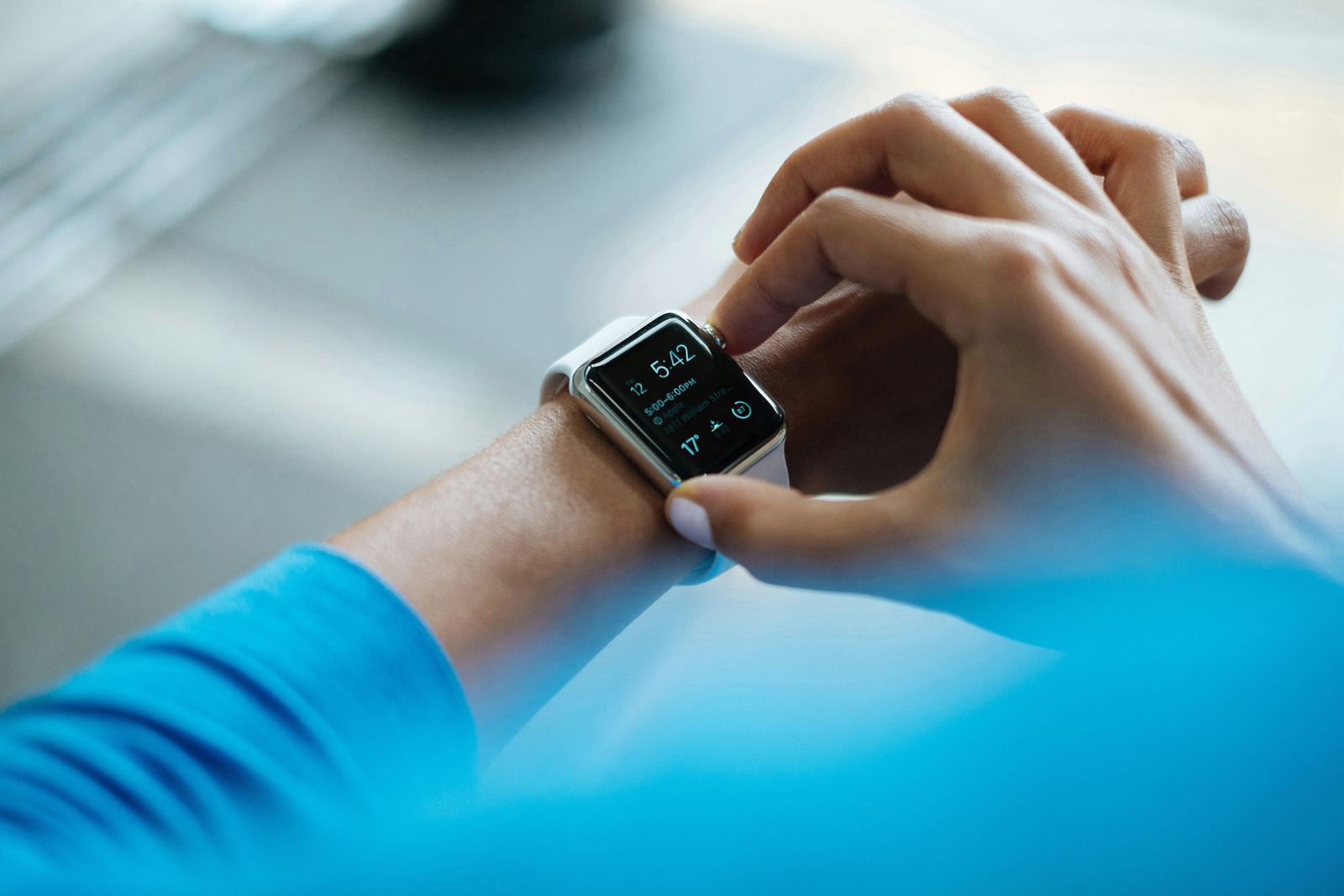
Apple's confirmed its September event and the leaks point at a rebuilt Siri on the wrist. Here's the one part I actually care about, and the two I don't trust yet.

I clipped a Tractive GPS tracker onto my dog's collar for a week to see whether the activity and safety data was actually useful. Here's what surprised me.

I wore the Upright GO 2 posture trainer every day for 30 days to fix years of desk-hunch. Here's what actually changed, what didn't, and what I do now.
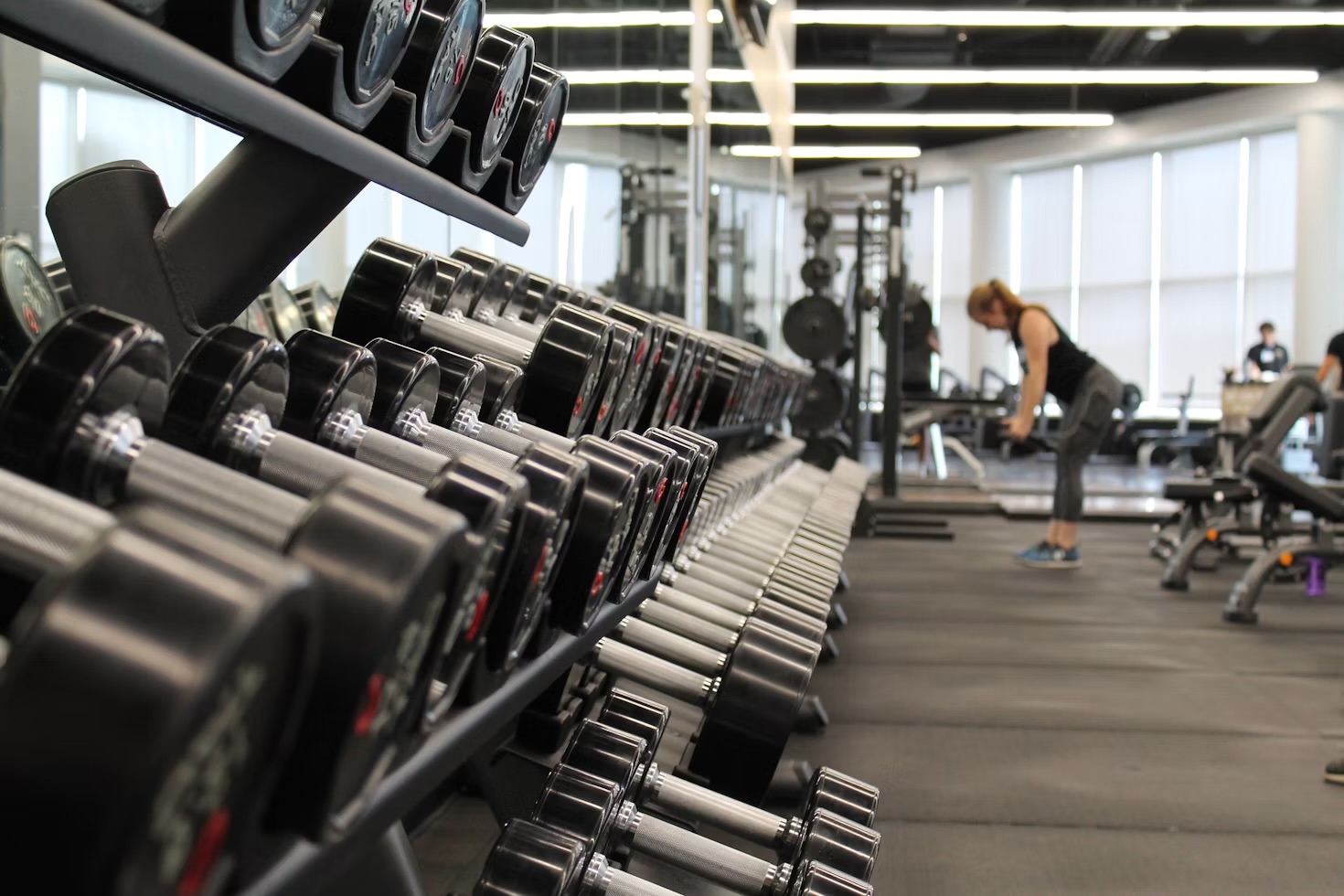
My watch said I'd burned 640 calories lifting weights. A chest strap said 410. Here's what I found when I actually tested my watch's calorie number.
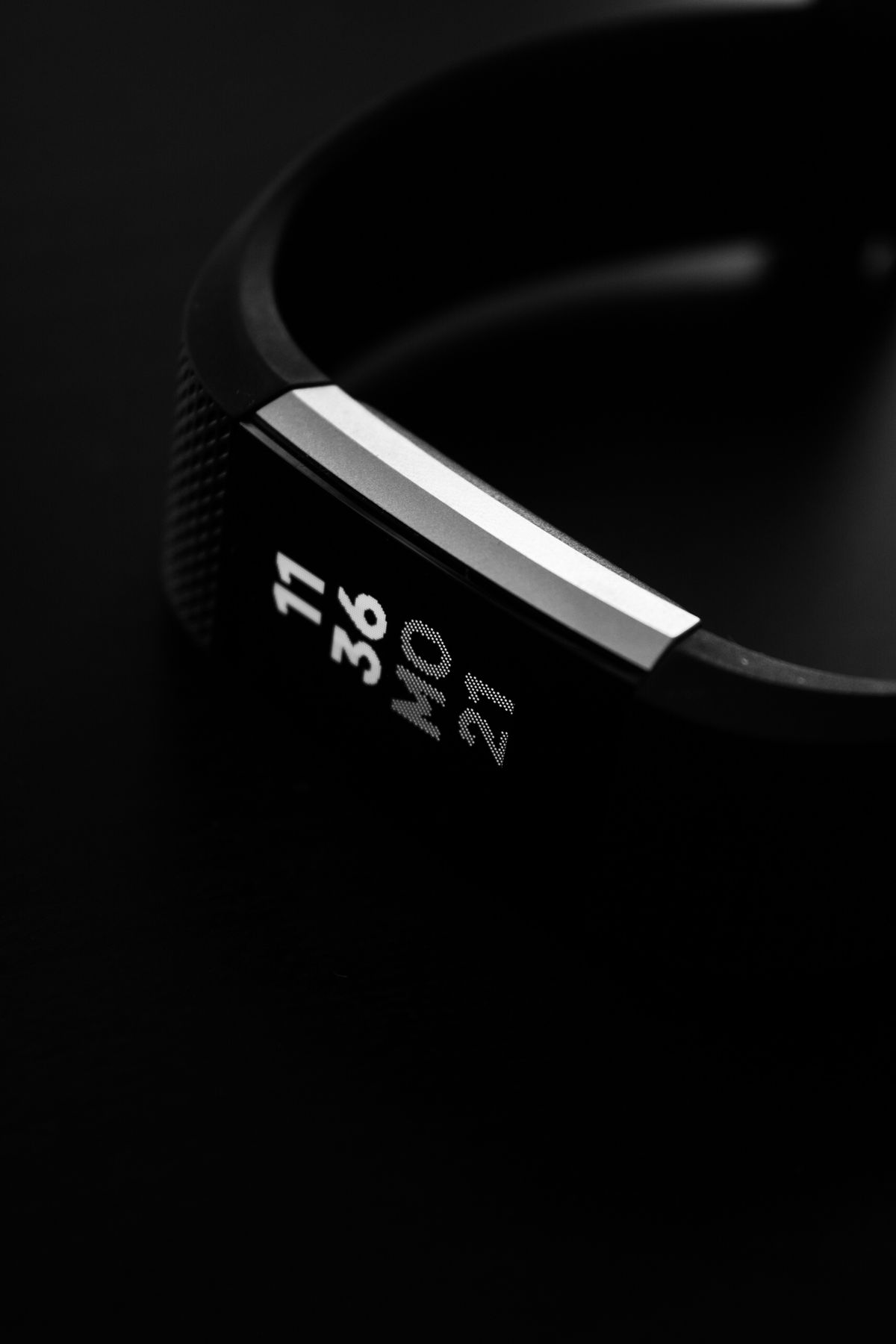
I swapped my Apple Watch for a £25 fitness band for 30 days to see what a budget tracker actually gets wrong. Here's the honest, unsponsored verdict.
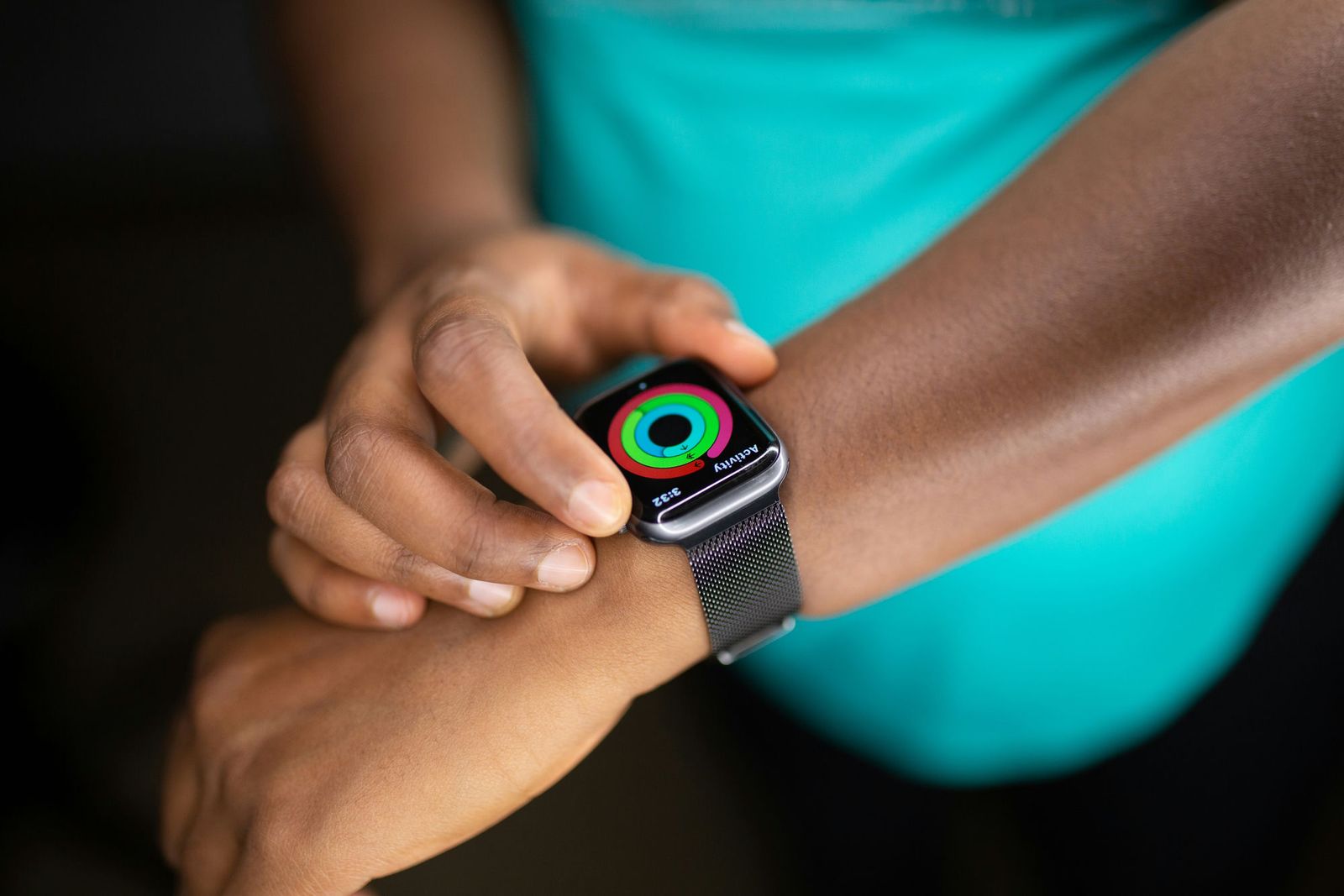
I wore my smartwatch and a chest strap side by side for two weeks of workouts to see how far apart the heart rate numbers really were.
Questions people actually ask
Is a smart ring or a smartwatch better?
It depends what you're optimising for. A watch is built to be glanced at — live pace, heart-rate zones, notifications — so it wins for training in the moment. A ring is built to be forgotten, which makes it better for passive sleep and recovery tracking. My 30-day smart ring review covers why I never put the watch back on.
Do wearables like Whoop and Oura need a subscription?
Yes — neither is fully useful without an ongoing membership on top of the hardware. Whoop bundles it into the band price; Oura sells the ring and charges separately for the app. Budget the fee as part of the real cost, not an optional extra — the full comparison is in my six-week Whoop vs Oura test.
Is 10,000 steps a day actually backed by science?
No — the figure traces back to a 1960s Japanese pedometer campaign (the manpo-kei, literally "10,000-step meter"), not to research. When I tested the target for a month, what mattered was consistency and intensity, not the round number.
Which fitness wearable should I buy first?
Match the device to the job: structured training favours a proper sports watch — see Apple Watch Ultra 2 vs Garmin Fenix 8 — while sleep and recovery favour a ring. And before buying anything, learn to use the data you're already collecting; it's free and usually more valuable than new hardware.