I've written a whole guide on building your own training plan with a plain AI chatbot. This week I did the opposite: I downloaded Fitbod, answered its onboarding questions honestly, and let its algorithm decide every single set, rep and exercise for seven straight days without touching a word of it myself.
I went in expecting a glorified random-exercise generator with a subscription fee attached. What I got was closer to a training partner who never forgets what I did last time — and a couple of moments where it made a call I wouldn't have made for myself, which is the entire reason I wanted to try it.
Setting it up took longer than I expected — in a good way
The onboarding isn't a quick tick-box exercise. It asks what equipment you actually have access to (I told it the truth: a rack, a barbell, a pair of adjustable dumbbells and not much else at home), your experience level, which days you can train, and — this is the bit most apps skip — which muscle groups are already sore right now. That last question alone told me this wasn't going to hand me the same generic push-pull-legs split I've seen recycled across a dozen other apps.
It also asked me to rate my own strength on a handful of basic lifts rather than assuming a number from my age and weight, which felt like a small thing until the first workout landed with weights that were actually close to what I can lift, not a beginner's guess or an ego-flattering overestimate.
Day one: it built around what I own, not what it wished I owned
The first session was a lower-body day built entirely around the rack and dumbbells I'd told it about — no cable machine, no leg press, nothing I don't have. That sounds obvious written down, but I've used fitness apps before that suggest equipment as an afterthought and leave you improvising a substitute mid-session. This one never put a single exercise in front of me that I couldn't actually do with what's in my garage.
What surprised me was the exercise selection itself. Instead of the usual squat-bench-deadlift rotation, it opened with Romanian deadlifts and a unilateral lunge variation — not wrong, just not what I'd have picked myself, and a reminder that it's weighing muscle balance and fatigue across the whole week, not just filling a session with familiar names.
The part that actually changed my mind: it reacted to a bad night
Three days in, I logged a rough night's sleep and told it the session before had left me sorer than usual. The next workout it generated was visibly lighter — fewer total sets, a lower target intensity, and it swapped a heavy compound lift for something gentler. I hadn't asked it to go easy on me; I'd just answered the check-in questions honestly, and it adjusted the plan on its own.
That's the piece a static PDF or a printed program from a trainer six months ago can never do. My own AI-built training plan guide gets you something close to this by manually reporting back to a chat thread every week or two — Fitbod does it automatically, after every single session, which is the trade-off in one sentence: less control, less effort.
"It didn't just avoid equipment I don't have. It avoided pushing me on a day I clearly shouldn't have been pushed."
Where it genuinely fell short
It's not magic. On day five it suggested a barbell row variation with a setup that felt slightly off for my shoulder mobility, and there was nobody to ask "does this look right" — the app doesn't watch you lift, it only reads what you type afterwards. I adjusted the form myself from experience and logged it as uncomfortable, which the app took on board for the following week, but a genuine beginner without that experience could easily have kept doing it wrong for weeks before anything corrected it. It's also entirely dependent on honest logging: skip the recovery check-in or fudge a weight and the whole adaptive loop degrades into guesswork.
I also missed the ability to just ask it "why this exercise" the way I can interrogate a plan I built in ChatGPT. Fitbod tells you what to do far more precisely than a chatbot ever will, but it explains its reasoning far less — you get the program, not the conversation behind it.
Does it sync with what's already on my wrist?
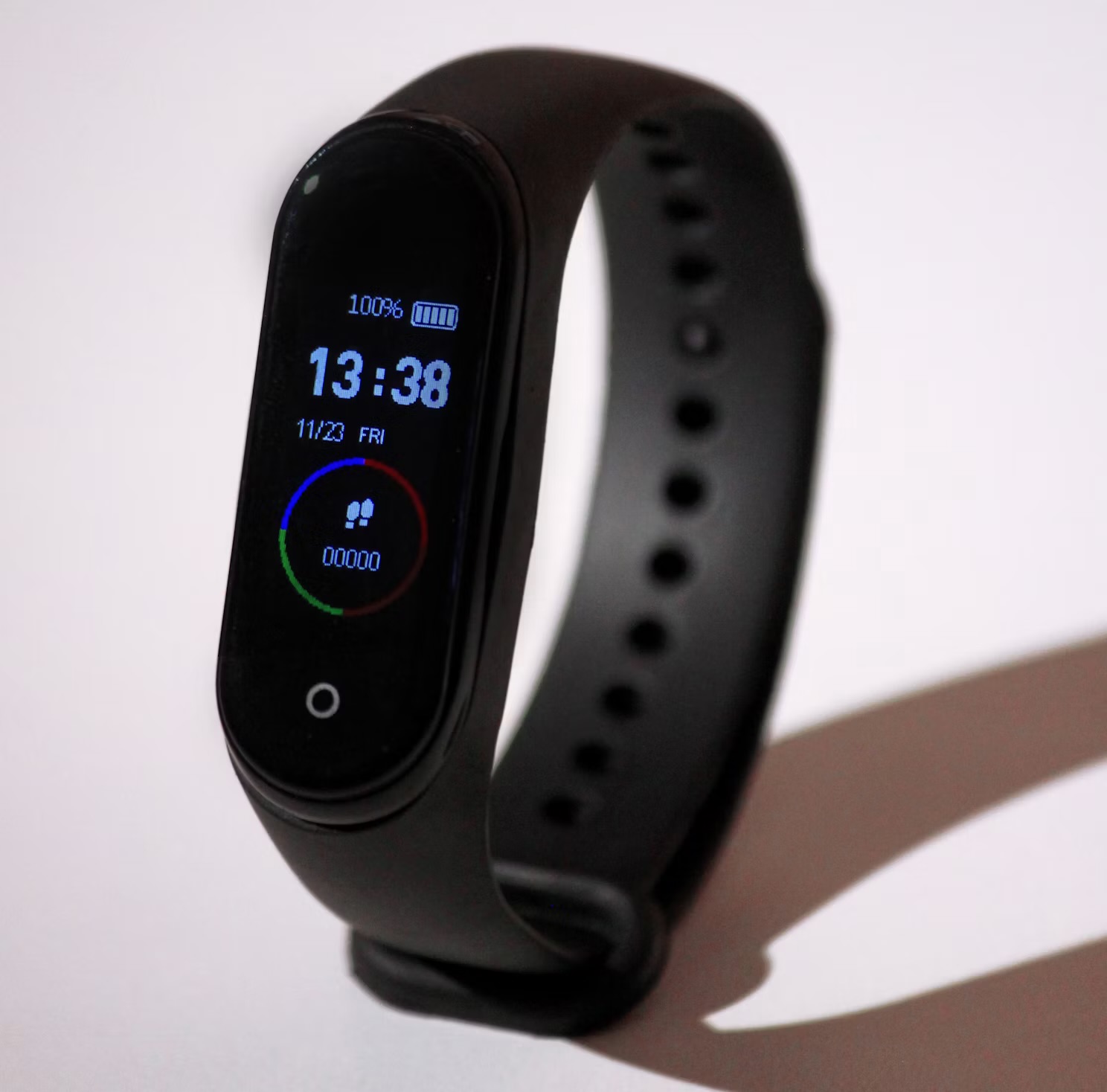
Fitbod can pull in activity and recovery signals from a connected wearable, layering that on top of what you log by hand, and this is where it started to feel less like a standalone app and more like part of the wider stack I've written about on the wearables and fitness tech hub. If you already track recovery on a watch or a ring, the honest self-reporting this app leans on gets a second, more objective input working alongside it — which is roughly the same lesson I landed on when I wrote about the wearable features I actually use every day: the data only earns its keep when something actually acts on it.
The verdict after one week: it's a genuinely capable programmer that adapts to your equipment, your history and how you're actually feeling — not a replacement for a trainer's eyes on your form, and only as good as how honestly you answer its check-ins. For anyone who wants the adaptive part without writing their own prompts, it earns the subscription.
What I'm doing with it now
I'm keeping it running for a full month before I decide whether it replaces the manual chatbot approach in my guide or just sits alongside it as the "I can't be bothered to think today" option. My honest guess right now is the latter — there's real value in occasionally building your own plan and understanding the why, and equally real value in a week where you just want someone else, even an algorithm, to decide. If you want the next honest gadget verdict rather than a press release, join the Brite newsletter — I only write when something's actually worth saying.
If you would rather log lifts yourself, I also compared a gym app against a £3 notebook over eight weeks: gym tracking app vs paper logbook.
Questions people actually ask
Is Fitbod good for beginners in the gym?
It's a reasonable starting point precisely because it removes the two hardest beginner decisions — what to do and how much of it — but it can't watch your form. I'd pair it with a session or two of coaching up front to learn the basic lifts safely, then let the app handle the programming from there.
Does Fitbod work if you train at home instead of a gym?
Yes — you tell it what equipment you actually have, from a full rack down to a couple of dumbbells or just bodyweight, and it only ever suggests exercises you can do with that. I tested it against my own limited home setup and it never once suggested a machine I don't own.
Does Fitbod sync with a smartwatch or fitness tracker?
It can pull in recovery and activity signals from a connected wearable and use that alongside what you log by hand, which is the part I found most useful — a rough night's sleep visibly changed what it asked of me the next day, not just what I typed in.
Is an AI workout app actually better than a human personal trainer?
Not better — different. It's genuinely good at the programming: picking exercises, managing progression, adjusting for a bad week. What it can't do is stand behind you and fix your deadlift setup in real time, or notice you wincing on a rep before you mention it. I'd treat it as a very capable programmer, not a replacement for a trainer's eyes.