I spent a decade paying for personal trainers and half-following plans I found online. Then I built a better one in twenty minutes with a chatbot. Here is the exact process — the prompts, the structure, and the guardrails that keep it sensible.
For years my "training plan" was whatever I half-remembered from the last PT session, padded out with random exercises I'd seen someone doing at the gym. It was inconsistent, it wasn't progressive, and it never adapted to the fact that some weeks I could train four times and some weeks barely once.
What changed things wasn't more willpower. It was realising that a good AI, given a proper brief, will build you a structured, progressive plan that rivals a £40-an-hour trainer's paper program — and then rewrite it in seconds the moment your life or your strength changes. This is the exact system I use, written so a complete beginner can follow it.
Level: Beginner. No fitness knowledge and no AI experience assumed — if you can type into a chat box, you can do all of this. Aim for about half an hour start to finish.
Why an AI can actually do this well
A workout plan, stripped back, is a structured problem: match a person's goal, experience, available time and equipment to a sensible progression of exercises, sets and reps. That is precisely the kind of pattern a large language model has seen thousands of times across the training literature. It isn't inventing anything — it's assembling well-established principles into a plan shaped around your constraints.
The catch is that it can only work with what you give it. Ask "make me a workout plan" and you'll get a generic template you could have found anywhere. Give it a real brief and you get something genuinely tailored. So most of this guide is really about how to brief it properly.
Step 1: Gather your inputs before you type a word
The single biggest quality lever is the information you hand over up front. Before you open the chat, get honest answers to these:
- Your goal — build muscle, lose fat, get stronger, run a 5k, general health. Pick one primary goal, not five.
- Your starting point — total beginner, returning after a break, or already training regularly. Be truthful; over-claiming here is how people get hurt.
- Days and time — how many days a week you can realistically train, and how long each session can be.
- Equipment — full gym, a few dumbbells at home, or bodyweight only. The plan is only useful if it uses what you actually have.
- Limitations — any injuries, dodgy joints or exercises you know aggravate something. This is the most important line and the one people skip.
Spend two minutes on this and the plan will be twice as good. Skip it and no amount of clever prompting rescues the result.
Step 2: Write the master prompt
Now assemble those inputs into one clear brief. Here's the template I use — copy it and swap in your own details:
"Act as an experienced strength and conditioning coach. Build me a weekly workout plan. My goal is [goal]. I'm a [beginner/intermediate] who can train [X] days a week for [Y] minutes. I have access to [equipment]. I have [any injuries/limitations]. Give me a full week laid out day by day, with specific exercises, sets, reps and rest times, plus a one-line note on how to progress each week. Keep the language simple and explain any term a beginner wouldn't know."
Notice what that prompt does: it gives the AI a role, all five inputs from Step 1, an explicit output format (day by day, with sets and reps), and a request to explain jargon. That last instruction alone turns an intimidating spreadsheet of numbers into something you can actually follow.
Step 3: Pick the tool — and it matters less than you think
ChatGPT is the easiest place to start and handles back-and-forth tweaks conversationally. Claude tends to write longer, more carefully reasoned plans and is excellent when you want it to explain the why behind each choice. Either is fine — I've built good plans in both, and if you want to go deeper you can even wrap this whole brief into a reusable assistant using the approach in my custom GPT playbook so you never have to paste the prompt again.
The uncomfortable truth is that the model matters far less than your brief. A detailed prompt in the free tier of ChatGPT beats a lazy one-liner in the most expensive model every time.
Step 4: Pressure-test the plan before you trust it
This is the step that separates a sensible lifter from a sore, discouraged one. An AI will confidently hand you a plan, and it's usually good — but you verify before you follow. Ask it three follow-up questions:
- "Is this volume appropriate for someone at my level, or is it too much for week one?" AIs sometimes over-program for beginners. Nudging it toward a gentler start is smart.
- "Given my [injury/limitation], are any of these exercises risky, and what are safer swaps?" Make it defend its choices against your specific weak points.
- "What are the two or three most common form mistakes on these lifts?" You still need to look up proper technique — video, ideally — but this tells you what to watch for.
Treat the plan as a well-informed first draft, not gospel. Start lighter than it suggests, and if anything sharp or genuinely painful shows up, stop and reassess rather than pushing through.
"The AI writes the plan in seconds. The judgement about whether to trust it is still yours — and that's exactly the right division of labour."
Step 5: Turn it into a schedule you'll actually follow
A plan that lives in a chat window gets forgotten by Wednesday. Ask the AI to reformat the plan as a simple weekly table, then put it somewhere you'll see it — your phone's notes, a printed sheet on the fridge, or a page in whatever system you already use. If you keep a digital notebook, this is a perfect thing to drop into it.
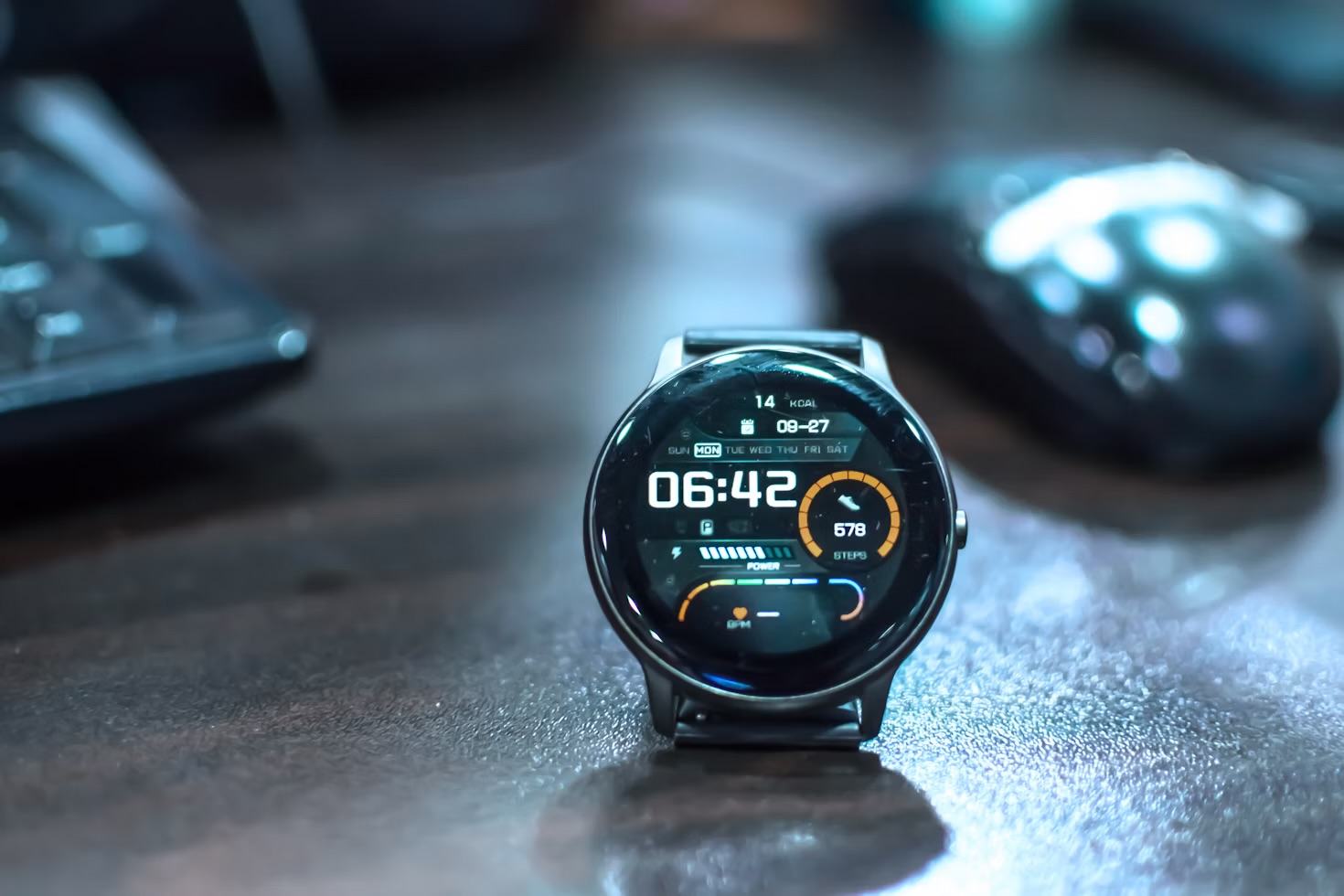
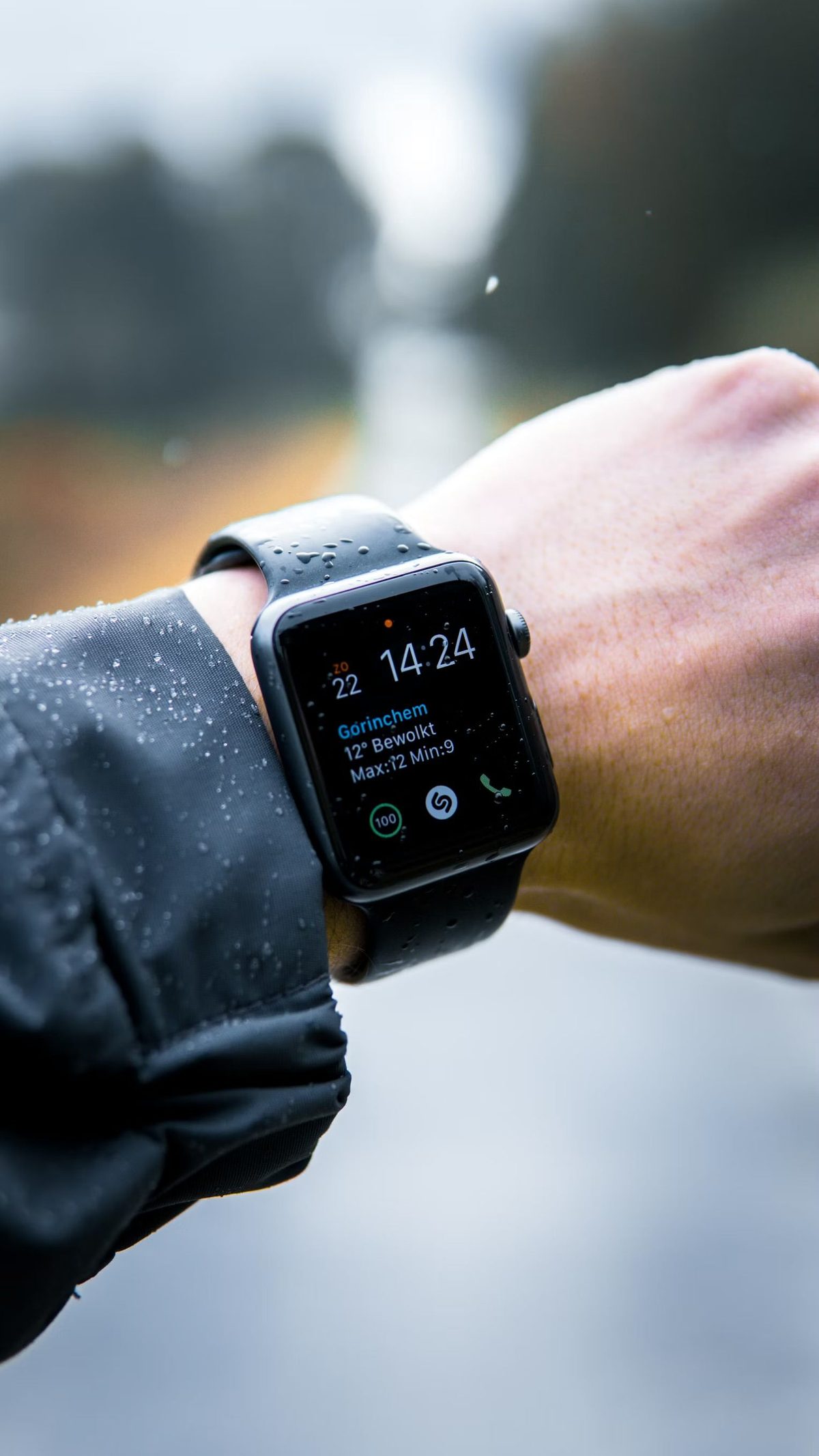
Then add one line to each session: the actual weights or times you managed. This tiny logging habit is what makes Step 6 work, and it's the difference between a plan and a genuine training record. If you wear a watch or a band, lean on it here too — knowing how to read the data your wearable is already collecting gives the AI even better information to progress you with. If what you're wearing is a Whoop, the plan and the day-to-day decision can work together directly: I built a system that uses its recovery score to decide how hard to run this exact plan on any given morning.
Step 6: Progress the plan instead of restarting it
Here's where AI genuinely outclasses a paper plan. Every couple of weeks, go back to the same conversation and report what happened:
"Here's what I actually did this fortnight: [your logged numbers and how the sessions felt]. My [exercise] felt easy; my [exercise] was a real struggle. Please progress the plan for the next two weeks based on this."
Because it remembers the thread, it can add weight, swap a stalling exercise, or adjust the split without you re-explaining a thing. That living feedback loop — the plan bending around your real results week after week — is the part a static PDF or a one-off session with a trainer never gives you.
Where this earns its keep: turning up to the gym knowing exactly what you're doing instead of wandering between machines; a plan that shrinks to two sessions in a busy week and grows back to four without guilt; and, six weeks in, being able to look back at a log that proves you're actually getting stronger.
Common mistakes worth avoiding
- Vague inputs. "I want to get fit" gives a generic plan. "I want to add muscle to my upper body, training three days a week with dumbbells, with a slightly cranky left shoulder" gives a plan built for you.
- Hiding your injuries. The AI can only program around what it knows about. Tell it everything that hurts — that's the whole point of the limitations line.
- Trusting the plan blindly. It's a knowledgeable draft, not a doctor. Pressure-test it (Step 4), start conservatively, and look up form properly.
- Starting a fresh chat every week. You lose all the context. Keep progressing the same conversation so the AI builds on what it already knows about you.
- Never logging anything. Without your real numbers going back in, the AI is guessing. Two lines a session is all it takes.
The bottom line
Building a workout plan with AI isn't about replacing expertise with a gimmick — it's about getting a structured, progressive, personalised program in twenty minutes instead of paying for one or cobbling it together from strangers on the internet. The plan is only as good as the brief you give it, and the results only come if you log what you do and feed it back.
Open a chat, work through the five inputs, paste the master prompt, and pressure-test what comes back. You'll have a plan built around your actual life before you've finished your coffee. If you want to go further down the fitness-tech rabbit hole, everything else I've written about wearables and fitness tech — including the ongoing Apple Watch versus Garmin debate — pairs neatly with an AI-built plan.
The plan is only half of it; the bit that decides whether you are still doing this in March is writing down what you actually lifted. That is all the training and habit planners in my shop are — somewhere to put the numbers so next week has something to work from.
A plan is only as honest as what you weigh against it, which is why thirty days on a smart scale changed how I read a training week more than any app did.
Want more guides like this one? I send a new practical AI workflow to my newsletter every week — sign up here and I'll send the next one straight to your inbox.
The same prompting approach works far beyond training plans — the five automations that saved me twelve hours in a week came out of exactly this way of working.
If you'd rather hand the whole thing to a dedicated app instead of writing your own prompts, I put an AI coach through its paces for a week instead of building my own plan — here's what changed and what didn't.
Questions people actually ask
Can ChatGPT actually create a workout plan?
Yes, and a surprisingly good one — as long as you give it real inputs. If you tell it your goal, your experience level, how many days a week you can train, what equipment you have and any injuries, it will produce a structured, progressive plan with sets, reps and rest periods. The quality of the plan is almost entirely down to the quality of the brief you give it.
Is it safe to use AI to build a workout program?
For general fitness it's reasonable, provided you treat the AI as a starting point rather than a doctor. Always tell it about injuries and limitations so it can program around them, start lighter than the plan suggests, and check anything that feels off against a reputable source. If you have a medical condition or are recovering from an injury, run the plan past a professional before you follow it.
Which AI is best for building a fitness plan — ChatGPT or Claude?
Both work well. ChatGPT is the easiest starting point and handles follow-up tweaks conversationally; Claude tends to write longer, more carefully reasoned plans and is good when you want it to explain the why behind each choice. The bigger difference is your prompt, not the model — a detailed brief beats a better tool every time.
How do I get AI to adjust my plan as I get stronger?
Keep the conversation going instead of starting fresh each week. Report back with what you actually lifted, how hard each session felt and anything that hurt, then ask it to progress the plan accordingly. Because it remembers the context of the thread, it can add weight, swap exercises or change the split without you re-explaining everything from scratch.
Can AI replace a personal trainer?
It can replace the programming — the sets, reps, progression and structure — for most people chasing general fitness. What it can't replace is a trainer watching your form in the room and correcting it in real time. The honest answer is that AI handles the plan brilliantly and a good coach still handles the technique and accountability better.