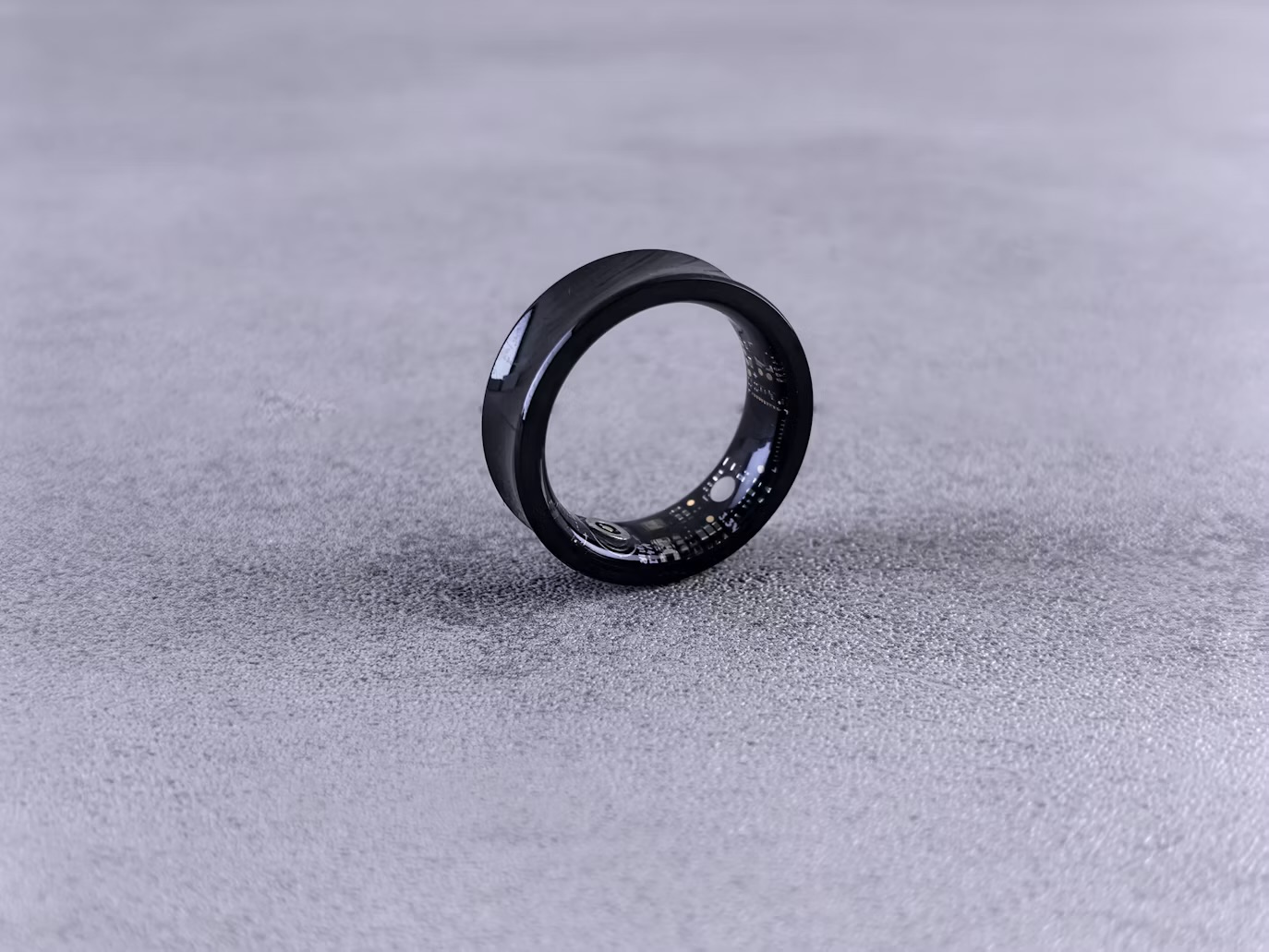
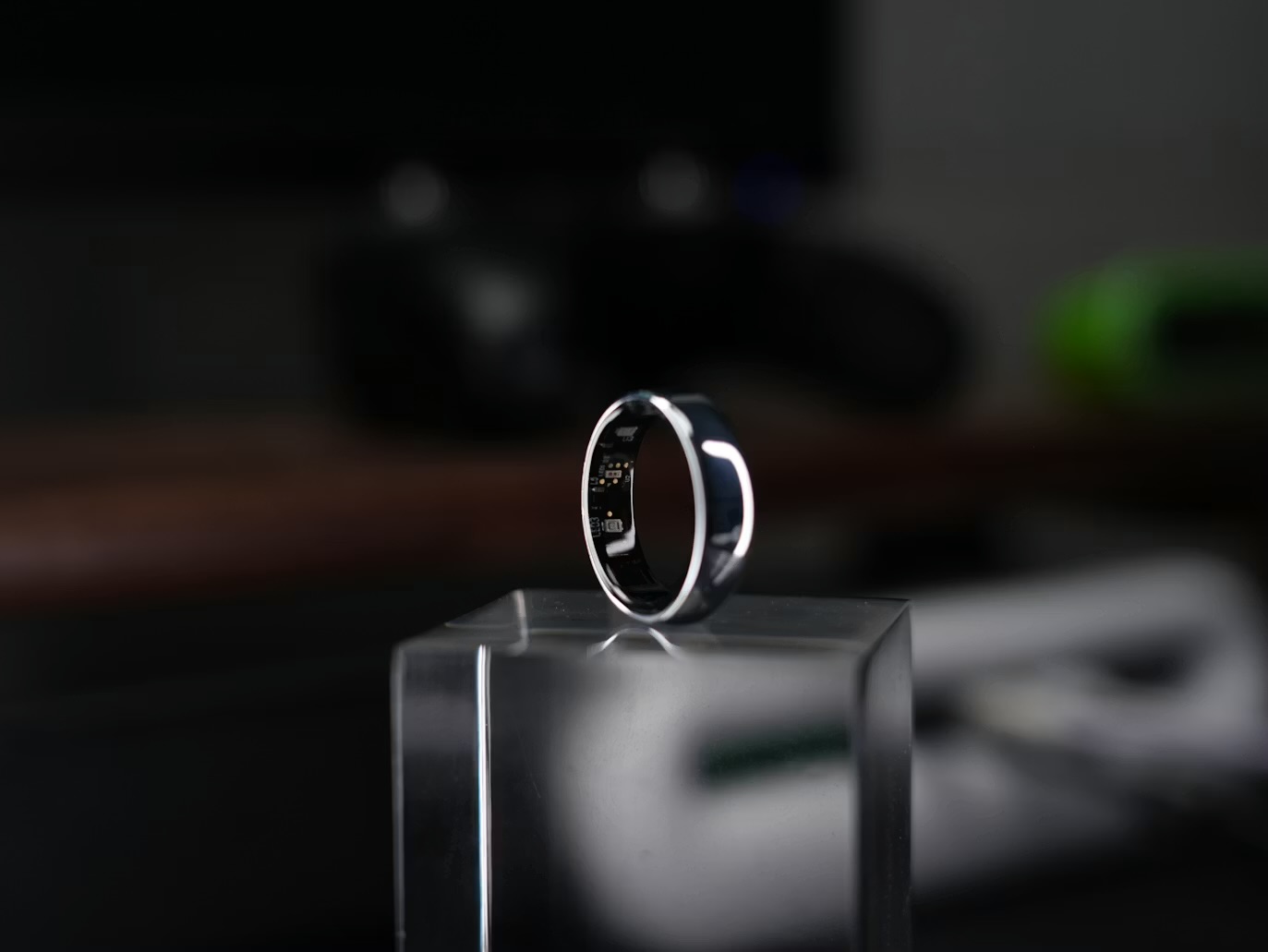
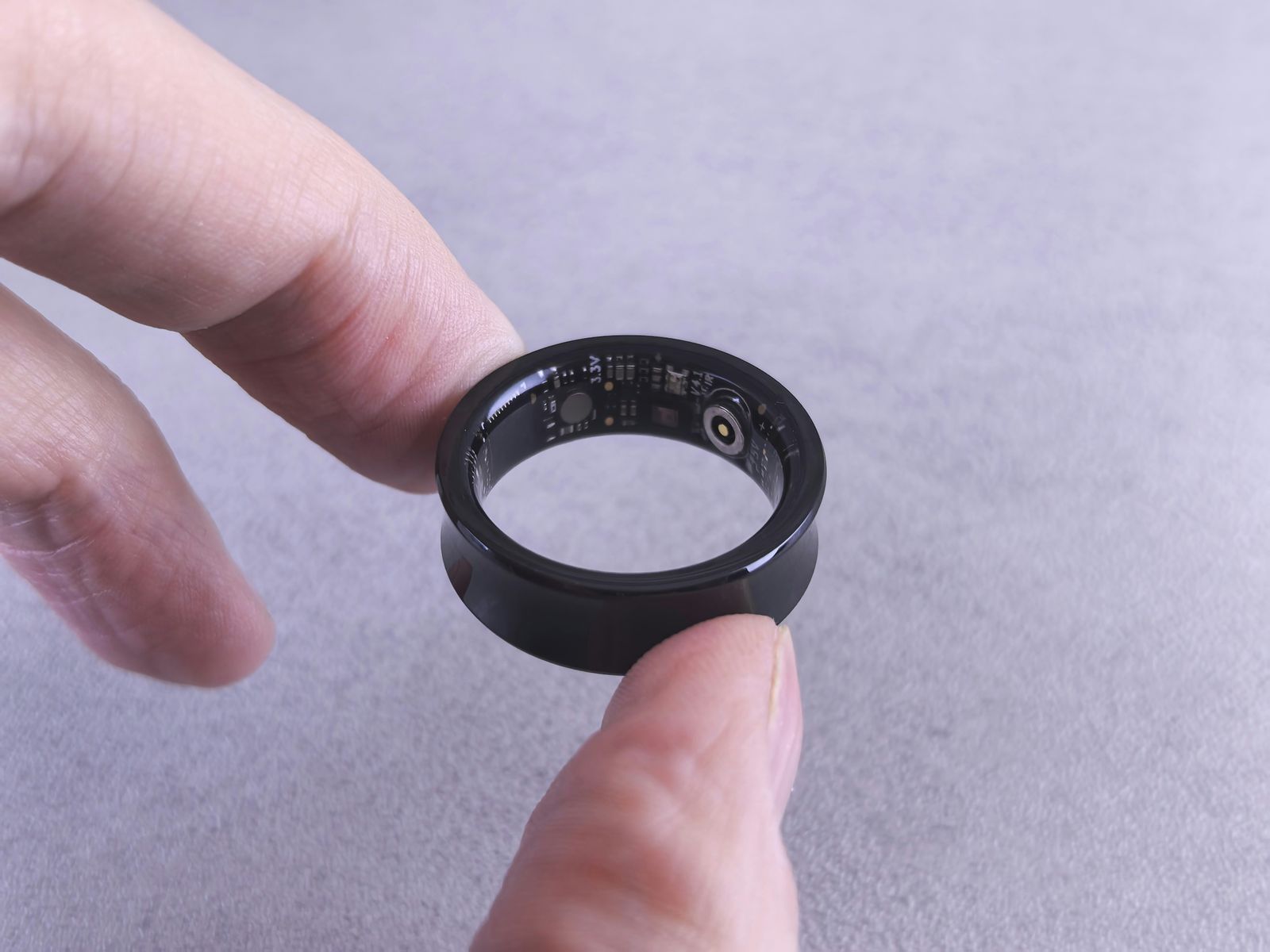
I've worn a smart ring, three different watches and a couple of bands over the past few years, and here's the quiet truth nobody selling them wants to admit: I use maybe five of their features. The rest are a spec sheet I paid for and forgot. So instead of another gadget review, here's the honest audit — the handful of things my wearable does that genuinely change my day, and the four I switched off without a second thought.
Every wearable launch is a war of numbers. More sensors, more scores, more coloured rings to close. And for a while I fell for it — I'd unbox something new and dutifully try to use everything, convinced the value was hiding in the metric I wasn't tracking yet. It never was. After enough of these devices, including a full month with a smart ring on my finger, I realised the ones that stuck in my life all did a few small jobs extremely well and let me ignore the rest. This is that shortlist — the features that survive the novelty, and the ones that quietly get in the way.
1. Resting heart rate — but only as a trend
This is the single most useful number my wearable produces, and it's almost never the one that gets marketed. Not my heart rate right now, which I couldn't care less about, but my resting heart rate averaged over weeks. It's the closest thing I've found to an honest early-warning system: when it drifts up by four or five beats for a few days, something is off — a cold coming, too much wine, not enough sleep — before I consciously feel it. When it settles low, I know I'm genuinely recovered. The trick, which took me embarrassingly long to learn, is to stop staring at the daily figure and read the line instead. Any single day is noise; the direction over a fortnight is signal. If you want the fuller version of how to read these numbers without spiralling, I wrote a whole piece on what your wearable data actually means.
2. One readiness score a day — as a nudge, not a verdict
Most modern wearables roll your overnight heart-rate variability, resting heart rate and sleep into a single morning "readiness" or "recovery" number. I check mine once, over coffee, and then I put it away. Used correctly it's genuinely helpful: a low score on a morning I was planning a hard session is a decent reason to swap it for a walk, and a high one after a rough night is permission to trust that I'm fine. Used incorrectly — as a grade I have to react to emotionally — it's poison. The whole comparison of Whoop versus Oura for recovery came down to this exact feature for me, and the honest conclusion was that both are directionally right and neither should be treated as gospel. It's a hint. That's all it ever should be.
3. The silent alarm
The most underrated feature on any wearable is the one that has nothing to do with health data: a gentle vibration on the wrist to wake you. No sound, no jolt, no waking a sleeping partner across the room. Just a soft, insistent buzz that pulls you out of sleep far more kindly than a blaring phone alarm on the far side of the bedroom. I'd genuinely keep a wearable for this alone. It's also the feature that let me finally take the leap and stop obsessing over my nightly sleep score — I kept the silent alarm, which actually improves my mornings, and dropped the graded sleep report, which only ever made them worse.
4. Contactless payments and transit passes
This is the deeply unglamorous one, and it might be the feature I'd miss most if it vanished tomorrow. Tapping my wrist to pay for coffee, tap through a train barrier, board a flight — no phone dug out of a pocket, no wallet, no fumbling. It sounds trivial until you've lived with it, at which point going back feels absurdly clunky. There's no health story here, no ring to close, no score. It's just the wearable being genuinely, boringly useful several times a day, which is more than I can say for half its sensors. Convenience I use twenty times a week quietly beats data I glance at once.
5. On-wrist timers, controls and a quick voice note
The last survivor is a cluster of tiny utilities: setting a timer while my hands are covered in flour, skipping a track without reaching for my phone, checking the weather with a glance, firing off a two-word voice reply, starting a stopwatch mid-workout. None of these is impressive. Collectively they're the reason the watch stays on my wrist. They shave a hundred small frictions out of a day — the phone left in another room, the interruption of unlocking a screen — and they do it without ever pulling my attention into a feed. A wearable earns its place not with a killer feature but with a dozen little ones you stop noticing because they just work.
The four features I turned off — and don't miss
Every one of these is prominently advertised. Every one of them left my day cleaner once I switched it off.
Stress tracking. A lovely idea that, in practice, told me I was "stressed" because I'd walked up the stairs or had a coffee. Physiologically it's measuring arousal, not the emotional stress it implies on the label, and the mismatch made me second-guess perfectly good moods. Off. Instantly better.
Spot blood-oxygen checks. Interesting exactly once. After the novelty of watching a number hover around 98% wore off, I had no idea what I was supposed to do with it, because for a healthy person at sea level the answer is nothing. It's a sensor in search of a use case for most of us.
Hourly move nags. The buzz telling me to stand up every hour trained me to resent the buzz, not to move. I get my movement from a walking pad under my desk and actual walks, not from being scolded on a schedule. The nag went; the movement stayed.
Almost every notification. The instant I let messages, apps and emails buzz my wrist, the whole thing became a leash. I now allow calls and calendar alerts through and nothing else — everything else waits on the phone, where I deal with it deliberately. Fewer taps made the taps mean something again.
"A wearable's worth isn't the number of things it can measure. It's the two or three you'll actually act on — and how ruthlessly you hide the rest."
The pattern I'd pass on: pick the handful of readings you will genuinely respond to — for me that's a resting heart-rate trend and one morning readiness score — keep the convenience features that remove friction, and turn off everything that only ever makes you anxious or numb to alerts. A wearable set up this way stops being a demanding second job and goes back to being a quietly useful tool. That's the whole point.
How to do your own audit
If your wearable currently feels like homework, try this: for one week, notice which stat you actually change a decision based on. Not glance at — act on. In my experience most people find it's one or two, and the rest is a dashboard they scroll past out of habit. Then be brutal. Turn off every notification you don't truly need, hide the scores that make you feel judged rather than informed, and keep the small, dull, genuinely useful things. Mine is a better companion since I did this, and I've built the same "keep the few, cut the many" instinct into the rest of my kit — most of which lives in my running notes on wearables and fitness tech.
The irony is that the wearable companies would sell more, not fewer, devices if they leaned into this. The reason people abandon these things in a drawer isn't that they do too little — it's that they demand too much attention for too little payoff. Strip it back to the five things that earn their place and it stops being a gadget you feel guilty about and becomes one you'd actually replace if you lost it.
If you want my honest take on the next wearable I test before it lands here, join the Brite newsletter — no hype, just what actually earned its spot on my wrist.
The most divisive wearable I have tested is not on this list, because it does not track anything: the AI pendant that records and transcribes your day asks a very different question of you.
Which features you end up using is really a question about which ecosystem you bought into, and the two big ones pull in opposite directions. Three months with one on each wrist is the short version of the Garmin Fenix 8 and Apple Watch Ultra 2 comparison — and the deciding question turned out not to be a feature at all.
The same test — what survives past the novelty week — is how I ended up writing about wearing Ray-Ban Meta glasses every day, which turned out to be a very different answer from the wrist.
That short list is why I was sceptical of the biggest, most feature-dense watch on the market — and thirty days with the Apple Watch Ultra 3 as a non-athlete did not entirely change my mind.
Questions people actually ask
Which smartwatch features are actually worth using?
In my experience the genuinely useful ones are few: your resting heart rate as a long-term trend, a single daily readiness or recovery reading used as a nudge, a silent vibrating alarm, contactless payments and transit passes, and on-wrist timers and controls. Everything else I either check occasionally or have switched off. The value of a wearable isn't how many metrics it shows you — it's the two or three you'll actually act on.
Do I need to track every metric on my smartwatch?
No, and trying to is usually counterproductive. Most of the metrics on a modern wearable are context you'll never use, and a few of them — stress scores, nightly sleep grades — actively made me more anxious rather than healthier. I keep the small handful of readings I'll respond to and hide the rest. A dashboard you glance at and ignore is just noise you paid for.
Are wearable stress and readiness scores accurate?
Readiness and recovery scores are directionally useful — they broadly agree with how I feel and are worth a morning glance — but they're estimates built from heart-rate variability and resting heart rate, not medical measurements, so I treat them as a hint, never a verdict. Stress scores I found far less reliable: mine would flag a calm afternoon as high-stress simply because I'd had coffee or climbed the stairs, so I stopped looking at them entirely.
Should I turn off notifications on my smartwatch?
I'd turn off nearly all of them. The whole appeal of a watch buzzing your wrist collapses when everything buzzes your wrist, because you learn to ignore it. I now allow only calls and calendar alerts through to the watch and route everything else to the phone, where I check it on my terms. Fewer, more meaningful taps make the one wearable feature I'd genuinely miss — a discreet nudge for the things that matter — actually work.