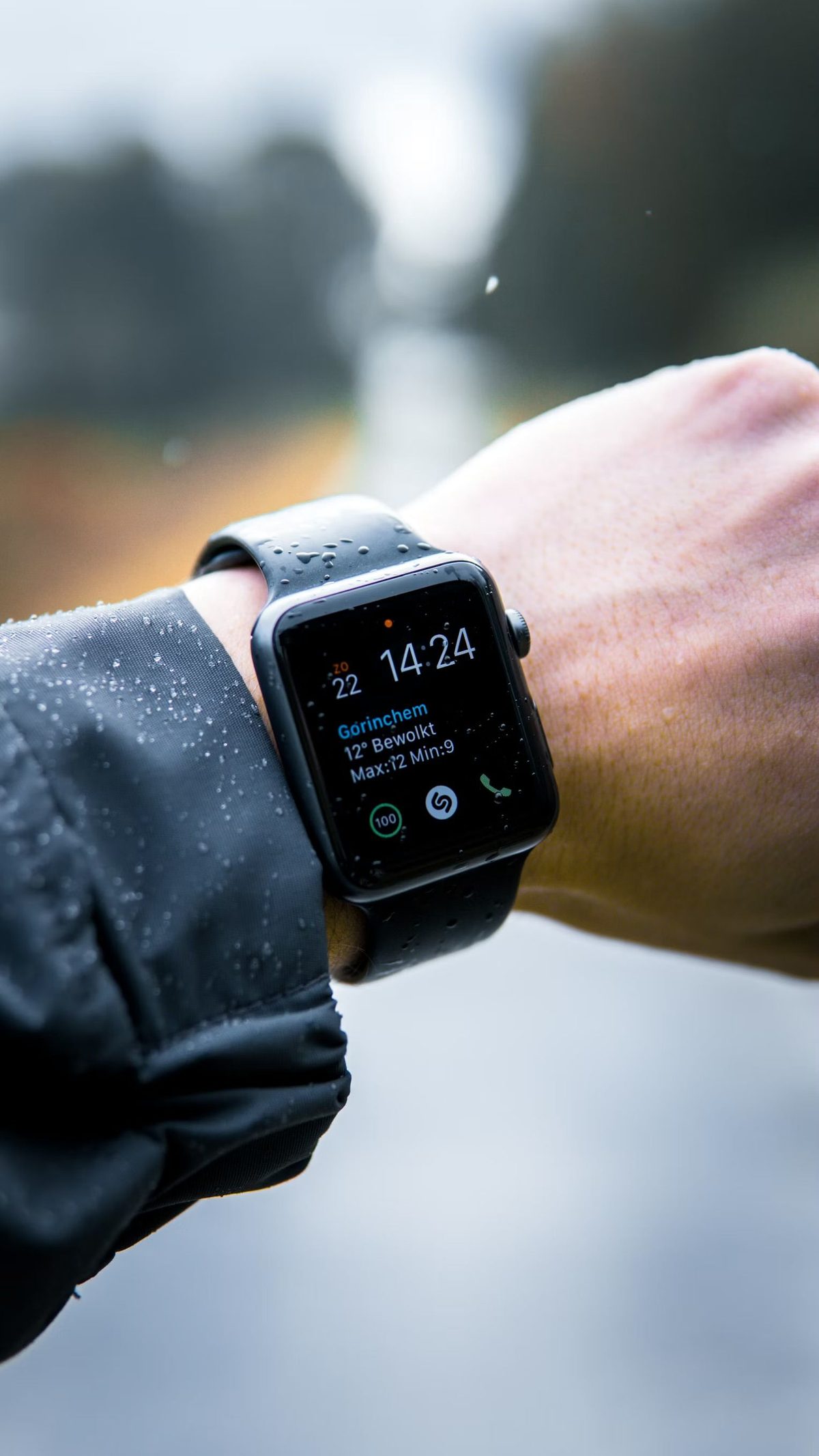
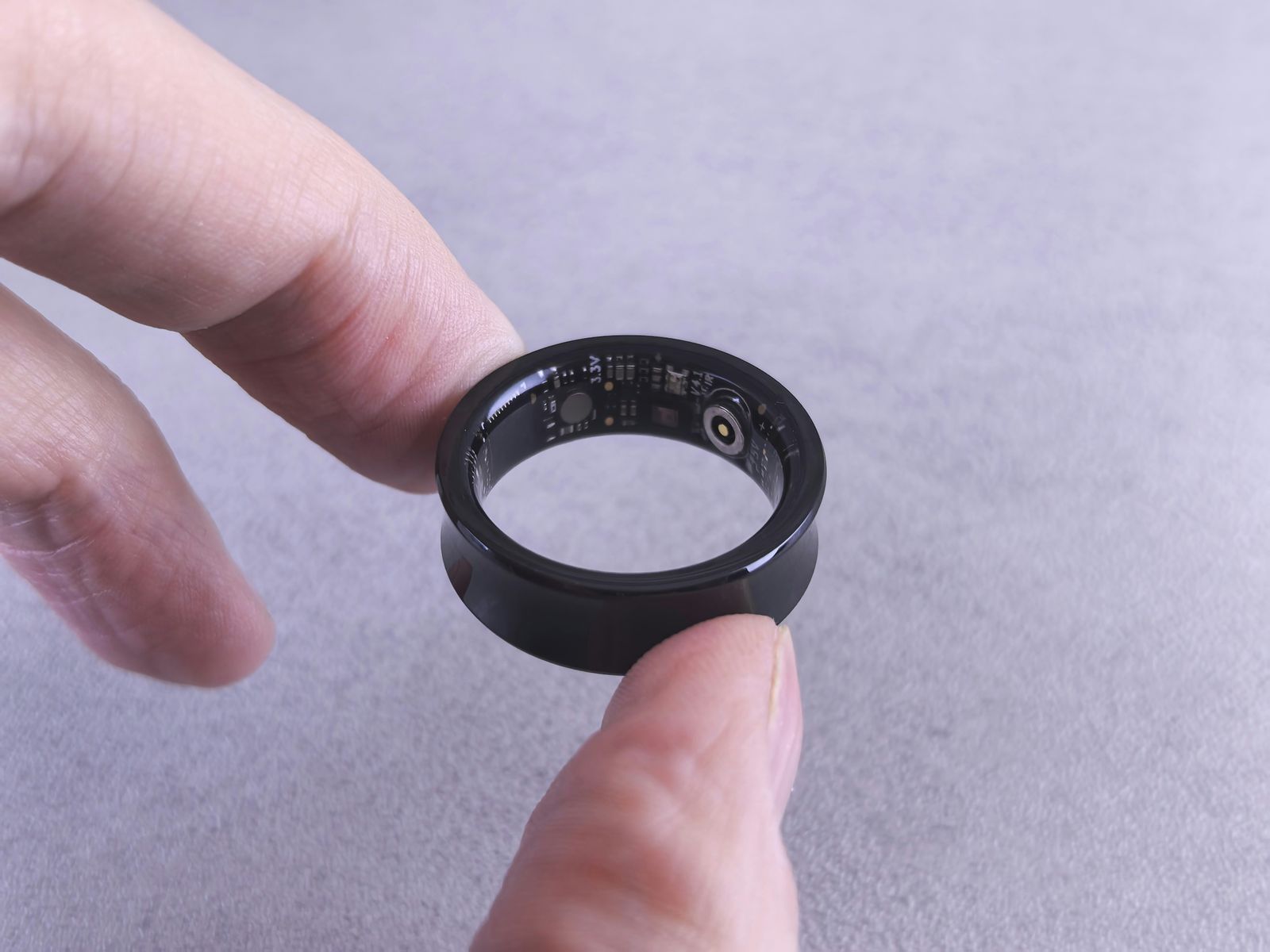
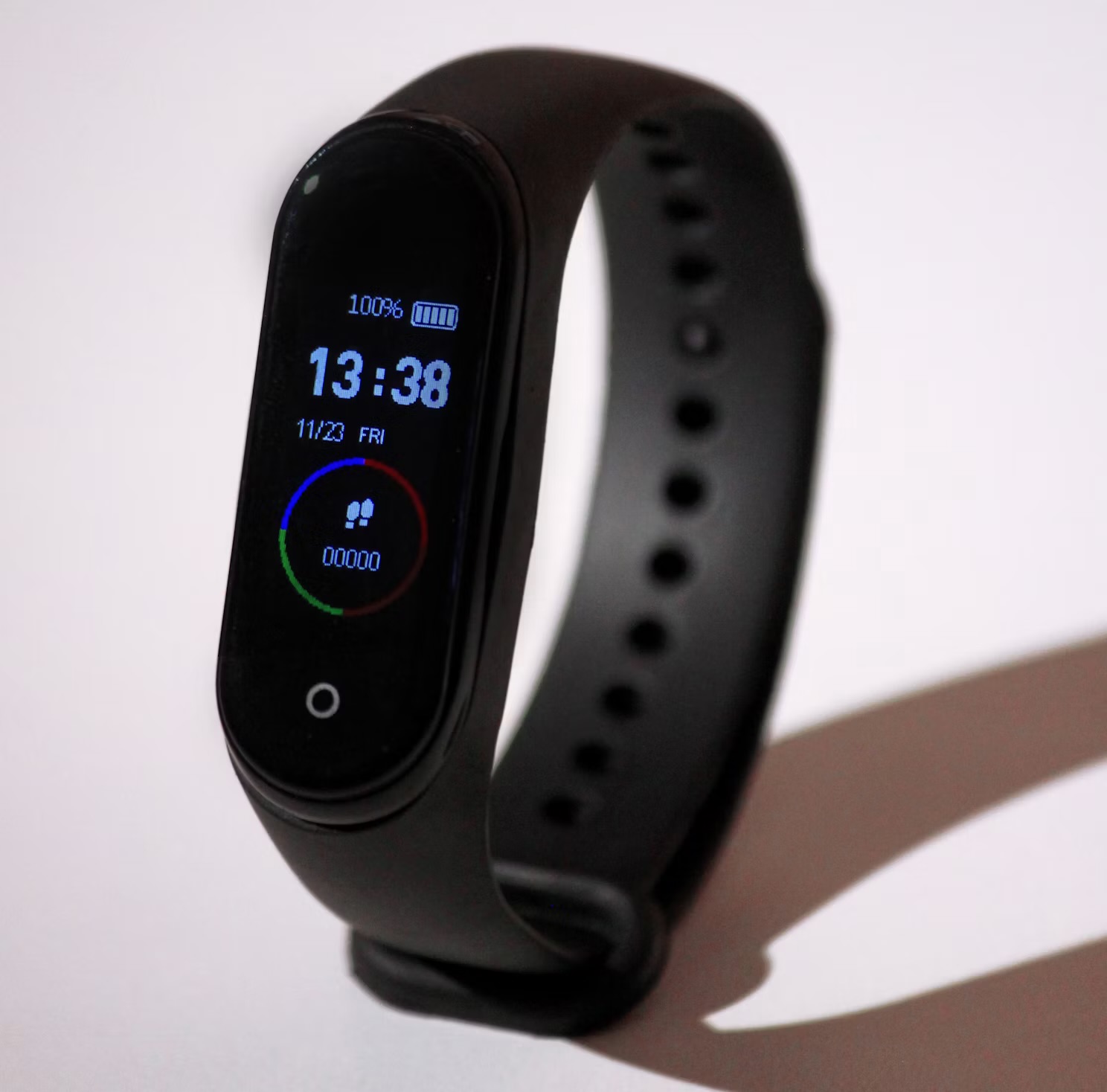
For six weeks I wore a Whoop 5.0 on one wrist and an Oura Ring 4 on the opposite hand, every single day, including in the shower and in bed. Two devices, one body, measuring the same nights and the same training load. They agreed on the big picture more often than I expected. They disagreed on the mornings that actually mattered — and that's where one of them earned a permanent spot and the other went back in its box.
I didn't set out to review either of these as a standalone product. I'd already read enough spec sheets to know Whoop tracks strain and recovery through a screenless band with no display at all, and Oura does the same job from a titanium ring that just sits there looking like jewellery. What I actually wanted to know was simpler: after a hard training block, which one gave me information I'd actually change my behaviour because of? So I wore both, logged what each told me every morning before I looked at the other, and kept doing it until the pattern was obvious rather than a hunch.
The daily ritual: a screen that shouts vs a ring that whispers
The most immediate difference has nothing to do with sensors and everything to do with how each device wants you to interact with it. Whoop has no display on the band itself — you open the app every morning to a full-screen recovery score in red, yellow or green, plus a strain target for the day and a coaching-style paragraph telling you what to do with that number. It's designed to be checked, and it makes checking it feel important. Oura, by contrast, gives you a readiness score in an app you have to remember to open, with none of the daily nudges. The ring itself never tells you anything; it just sits there being quiet.
Six weeks in, that difference in personality mattered more than I expected it to. On the mornings I was tired and slightly dreading a session, Whoop's bright red "recovery: 31%" screen genuinely talked me out of a hard set and into an easy spin instead — which, credit where due, was almost certainly the right call both times. Oura's readiness score told me the same underlying thing in smaller, calmer type, and I ignored it twice before I started actually reading it properly. If you need to be told what to do, Whoop is built to tell you. If you'd rather glance at a number and make your own call, Oura respects that instinct — for better and worse. That daily verdict cuts both ways, though, and eventually I had to ask whether a morning score was helping at all: it's exactly why I later stopped checking my sleep score every night.
Where the two scores actually disagreed
Most mornings, both devices landed in roughly the same zone — a good night after an easy day scored well on both, a short night after a heavy leg session scored poorly on both. The interesting cases were the handful of mornings where they split. After one particularly late, wine-heavy dinner out, Oura's readiness score cratered hard on elevated overnight heart rate and dropped body temperature signal, while Whoop's recovery score came back a more forgiving amber, weighted more heavily toward HRV trend than that single night's disruption. Oura, in my experience, reacts faster and harder to a single bad night. Whoop smooths over a rough night if the preceding week has been solid, which occasionally meant it gave me the green light on a morning I could feel, physically, was not a green-light morning.
The ring also picked up on something the band structurally couldn't: a mild chest cold that showed up as an elevated skin temperature trend two full days before I had any symptoms I'd have noticed myself. That early-warning read on temperature is genuinely one of Oura's strongest features, and it's not something Whoop's sensor package is built to flag in the same way. It is also one of the few metrics that survived into the handful of wearable features I still check daily.
"One device wanted to coach me through the day. The other wanted to quietly keep a diary and let me draw my own conclusions. I didn't realise how much that difference in tone would decide which one I kept wearing."
Battery, comfort, and the cost neither spec sheet mentions
Practically, the ring won this round without much of a contest. Oura's battery lasts the better part of a week and it disappears on your finger within a day of wearing it — I stopped noticing it was there. Whoop needs charging roughly every four to five days and, because it has no display, you're topping it up via a small battery pack that clips onto the band itself, which is clever but means occasionally training with what feels like a slightly bulky watch. Neither is uncomfortable exactly, but a ring is simply easier to forget you're wearing at 2am, and forgetting you're wearing something is most of what you want from a sleep tracker.
Then there's the subscription question, which both companies handle in a way that's easy to gloss over until the renewal email arrives. Neither device is fully useful without an ongoing membership on top of the hardware cost — Whoop bundles the membership into the price of the band itself, while Oura sells the ring outright and then charges separately for the app subscription that unlocks most of the interesting data. Budget for the ongoing fee as part of the real cost of either one, not just the sticker price of the hardware. It's part of a bigger pattern I've grown wary of — the way so many gadgets now charge a monthly fee to unlock features you've technically already bought.
The honest verdict: if you want a device that actively tells you what to do and are motivated by a bit of daily pressure, Whoop's screenless band and blunt recovery score will change your behaviour more often. If you want a quieter, more comfortable device that's better at catching subtle physiological shifts like an oncoming illness, and you're disciplined enough to actually open the app and read your own trends, the Oura Ring 4 is the one that stayed on my hand after the six weeks ended.
Which one I actually kept
I sent the Whoop band back to its charging puck for good and kept the ring on. Not because the strain coaching wasn't useful — some days it was exactly the nudge I needed — but because a device I have to remember to charge and consciously check every morning is a device I eventually stop checking. The ring just kept collecting data quietly in the background, and that passive, low-friction consistency turned out to matter more to me than the more assertive coaching. Your mileage may genuinely vary here: if you respond well to being told what to do, Whoop's directness is a feature, not a flaw — and if that sounds like you, I wrote up the exact 5-step system I ran with the Whoop's recovery score before I switched.
If you want the next honest comparison before it goes live, join the Brite newsletter — no fluff, just what's actually worth your money.
Both of these infer recovery rather than measure it directly. For a week I wore something that measures instead: a continuous glucose monitor, and the gap between inference and measurement was the most useful thing I learned.
Both of those are recovery-first devices that assume you are training for something. The all-rounder version of the question — thirty days with the Apple Watch Ultra 3 as a non-athlete — reaches a different answer.
Questions people actually ask
Is Whoop or Oura better for recovery tracking?
They agree on the big picture more often than you'd expect. Whoop suits people who want to be told what to do — a bold recovery score plus coaching every morning — while Oura is quieter and better if you'd rather read your own trends. After six weeks wearing both, I kept the Oura.
Can you wear Whoop and Oura at the same time?
Yes — that's exactly how I tested them, one on each side of my body for six weeks including nights and showers. It's a reasonable way to see which style of feedback you actually act on before committing to one.
Does the Whoop band have a screen?
No. The band itself is screenless — everything lives in the app, which greets you each morning with a red, yellow or green recovery score and a strain target for the day. It's designed to be checked, and it makes checking feel important.
Which is better at spotting an oncoming illness, Whoop or Oura?
In my six weeks, the Oura Ring 4 was the better early-warning system for subtle physiological shifts like an oncoming illness — provided you're disciplined enough to open the app and read your trends, because the ring never nudges you.