I added it up on a wet Sunday, which is exactly the sort of thing you do on a wet Sunday. The little monthly fees clinging to gadgets I'd already bought outright came to more than forty pounds a month. Not one of them for a device I was still paying off — every one of them just rent on hardware sitting in my house. That was the morning I decided subscription creep had finally gone too far, and I started cancelling.
This isn't a rant against all subscriptions. I happily pay for a few, and I'll defend them below. It's a rant against a specific, quietly spreading trick: sell you a physical thing, then fence off half of what it does behind a monthly charge, so the box you own is really just a ticket to keep paying. It's the most successful business model in consumer tech right now, and almost nobody signs up for it on purpose. It arrives one "unlock premium" prompt at a time.
How my gadgets quietly turned into a monthly bill
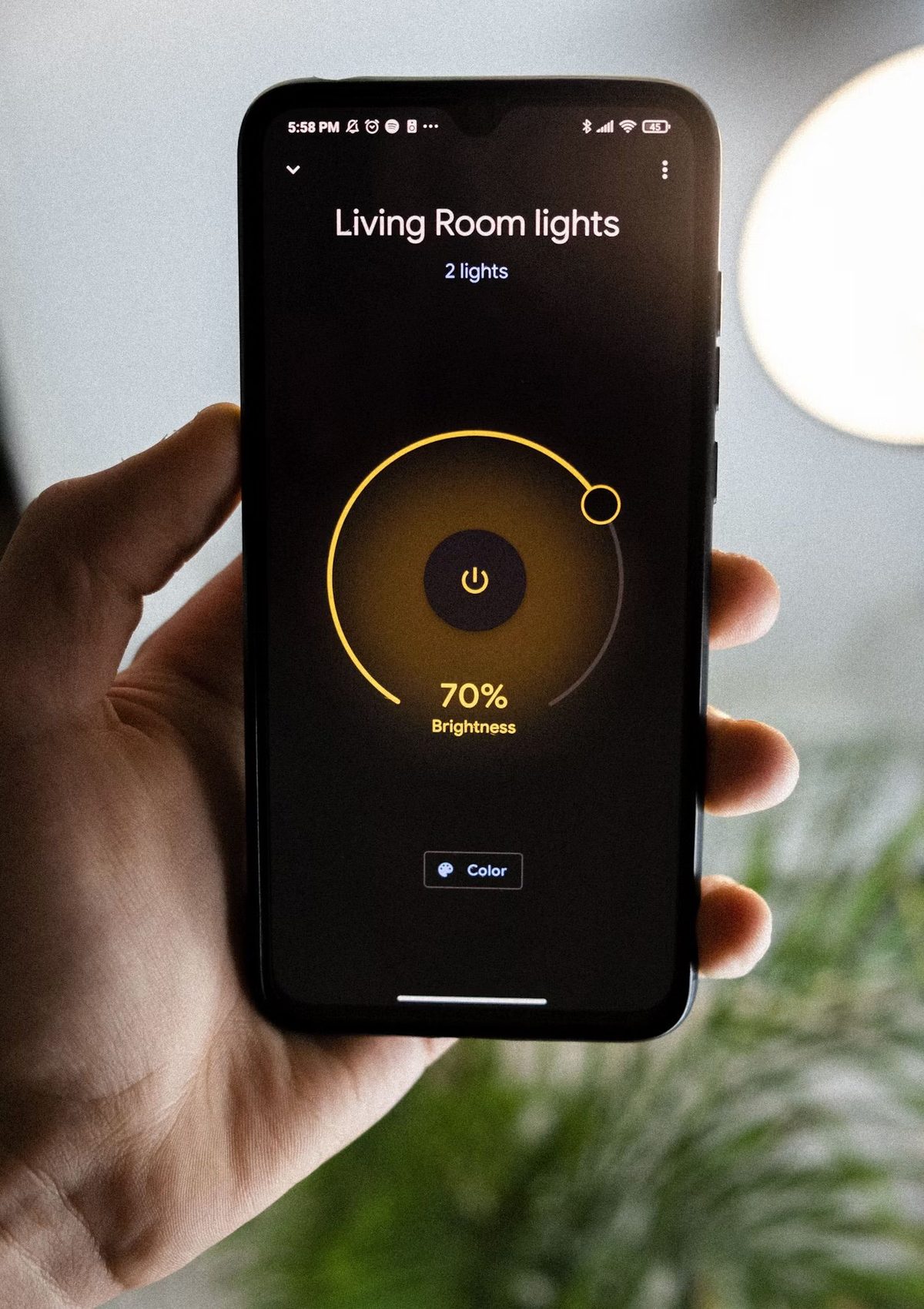
Here's the roll call, because saying it out loud is half the shock. The video doorbell records nothing you can scroll back to unless you pay for the cloud plan. The security camera in the hallway is the same story — live view is free, but the history that's the entire reason you bought it isn't. The fitness band shows me my steps for nothing, then hides anything genuinely useful — the trends, the "readiness," the sleep breakdown — behind a premium tier. And a couple of the smart-home odds and ends I've accumulated have started dangling "AI" features that, funnily enough, cost extra every month.
Individually, each one is small. A few quid here, a fiver there. That's the design. No single charge is worth the argument, so you wave it through, and six months later you're paying more per year in fees than the gadget cost in the first place. I catalogued the smart-home survivors in my piece on the only three smart home gadgets I'd actually defend buying, and it's no coincidence the ones that lasted are the ones that don't nag me for money to keep working.
The bit that actually annoys me
It's not the money, or not only the money. It's the principle that a feature which could sit happily on the device I own gets deliberately moved to a server so it can be charged for. There's a world of difference between paying for a genuine ongoing cost and paying rent on your own hardware.
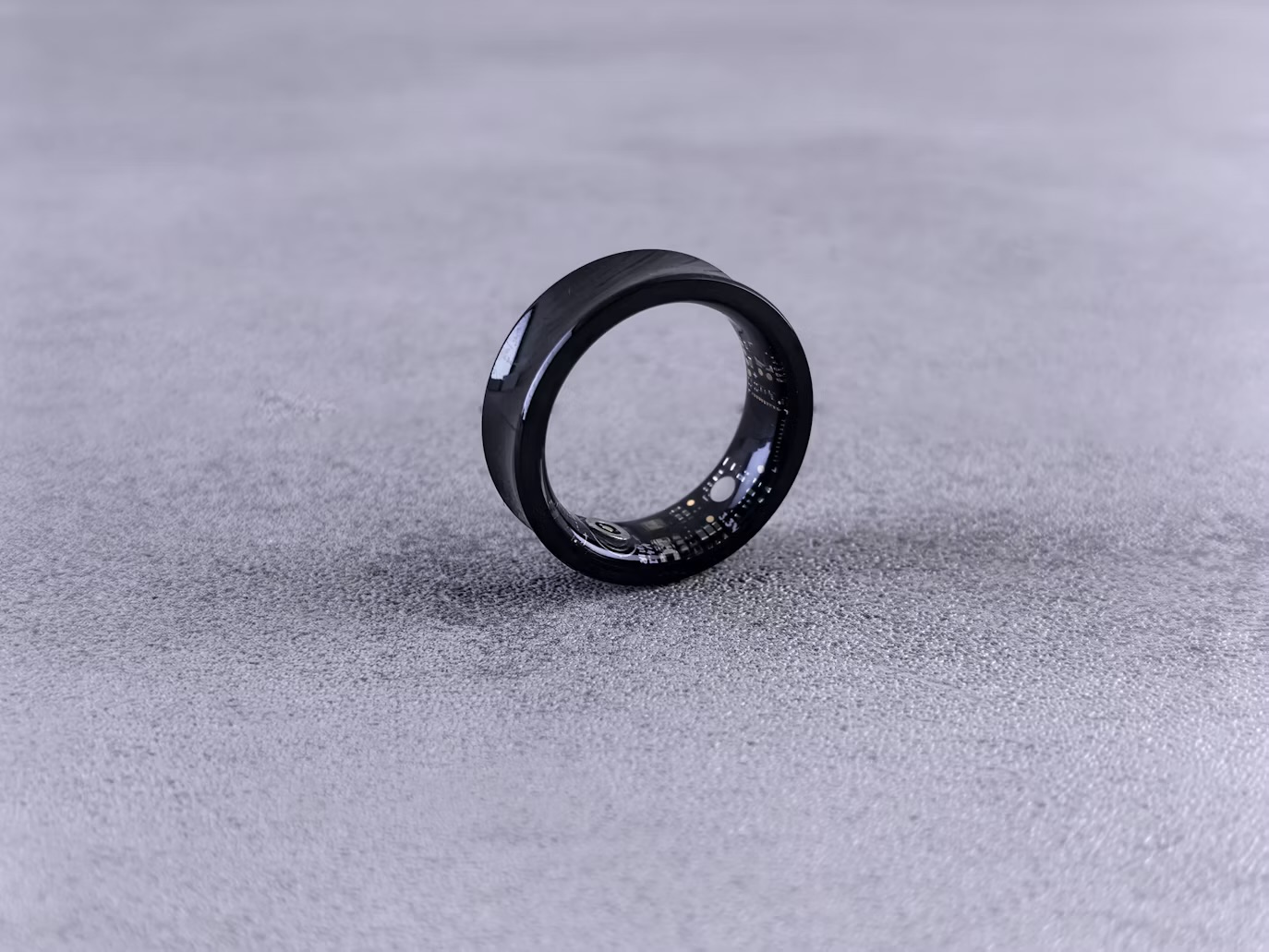
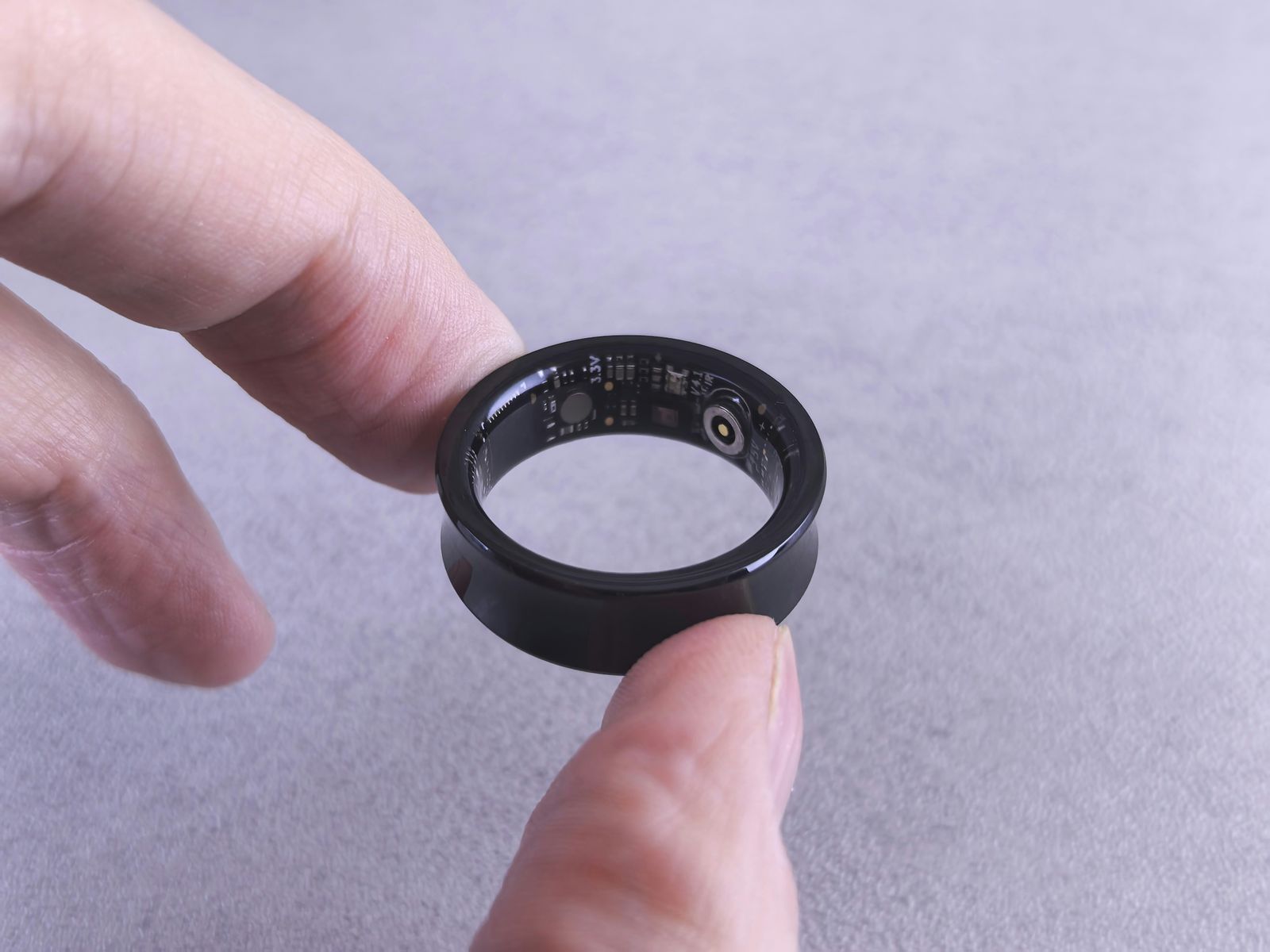
Wearables are where this stings most, because your body's data is about as personal as it gets. The Whoop-versus-Oura comparison I wrote kept circling the same uncomfortable fact: both make you pay, month after month, to see numbers generated by a sensor strapped to your own wrist or finger. Some of that fee is fair — there's real cloud processing and constant refinement behind good recovery scores. But "you must keep paying or the ring becomes jewellery" is a very different deal from "here's a device, enjoy it."
"If the fee vanished overnight and the company still had to spend real money to give me that feature, it's a service. If it wouldn't, I'm just paying rent on something I already own."
That's the test I've landed on, and it's clarifying. Cloud video storage? A real, recurring server cost — fair to charge for. A trend line drawn from data my band already collected, that could live in the app for free? That's a fence, built to funnel me toward a monthly plan. Once you start sorting your gadgets into "service" and "fence," the cancel button gets a lot easier to press.
What I'm actually cancelling — and what I'm keeping
I'm not going scorched-earth. That would be its own kind of silly, cancelling something useful just to prove a point. Instead I went through the list and asked, gadget by gadget, whether I'd actually miss the paid layer.
The camera plans went first. I almost never scroll back through old footage; I just want to see who's at the door in the moment, which the free tier does fine. The fitness premium tier went too — I realised I was paying to be shown a "readiness" score I'd already learned to ignore, a lesson I'd half-written about when I explained why I stopped obsessively tracking my sleep. What I kept were the genuine services: a music subscription I use every single day, the cloud backup that quietly saves my work, one AI tool that earns its keep several times a week, and — the newest addition — a password manager I finally stopped resisting. Those aren't creep. Those are things I'd re-subscribe to in a heartbeat if they disappeared.
My honest take: Subscriptions aren't the enemy — thoughtless ones are. Pay gladly for a real, ongoing service you actively use. Refuse, on principle, to pay a monthly fee to unlock a feature that could have shipped in the box. The line between the two is usually obvious the moment you stop and look.
How to fight subscription creep without becoming a hermit
The single most useful habit I've picked up is a twice-a-year subscription audit. I sit down, list every recurring tech charge, and cancel anything I haven't deliberately opened in a month. Then I watch what actually breaks. The answer, almost every time, is: far less than the panicky retention emails suggest. Most "essential" tiers turn out to be quietly optional. The same test applies to AI tools, where the free tiers are far more capable than most people assume — I keep a page of current AI tool prices, checked monthly, so you can see what actually costs money before you commit to anything. I ran that exact audit on Microsoft Copilot once it showed up in my Microsoft 365 subscription uninvited, since I was already paying for ChatGPT — here's what I found.
The other half is buying differently in the first place. Before anything new comes into the house, I now ask what it does with no subscription attached, and I lean hard toward gear that stores data locally or plays nicely with open standards — the same instinct that makes me prefer owning my tools over renting them. It's why I've been drawn to running AI models privately on my own machine rather than paying monthly for every clever feature: sometimes the version you own outright is genuinely better, and it never sends you a reminder email.
Own more, rent less
None of this makes me anti-technology — you don't write a tech site if you dislike gadgets. It makes me pro-ownership. When I buy a thing, I want to own the thing, not lease back the good half of it forever. It's the same instinct that led me to keep the same phone for four years instead of upgrading on the industry's timetable: a device you fully own and hold on to quietly stops costing you money the moment you stop replacing it. The gadgets I still love years later all have one quiet quality in common: they do their job without asking me for money every month to keep doing it.
The tool that finally made the bill visible, incidentally, was the least impressive one I own: a spreadsheet. Sorting a column by amount is how I found two subscriptions I'd forgotten entirely, which is a large part of why a plain spreadsheet beat my Notion dashboard over a month of tracking. I built mine from scratch on a wet Sunday; if you'd rather skip that part, the tidied-up version is the monthly money tracker I sell in the Brite shop, same columns I actually use. I'd actually tried to shortcut that wet Sunday with a proper budgeting app first, sure the automation would do the sorting for me. It didn't — the myth I believed about budgeting apps is its own story, and the spreadsheet above is what I was left holding once I gave up on it.
So that's the wet-Sunday resolution, and it's stuck. Buy for the job. Pay for real services with open eyes. And say a cheerful no to renting features that should have come in the box. If you want the honest follow-ups when I next test what's worth owning outright — and what quietly isn't — join the Brite newsletter. No hype, just what held up.
Finding out how much they actually came to was the tedious part, and it is the exact job I later handed to AI — the step-by-step budgeting system I use now started as an attempt to answer this one question without a spreadsheet evening.
The one recurring fee that survived the cull was the password manager, and even that got audited eventually: I spent a month on the free tier to see whether 1Password was worth paying for over Bitwarden or whether I had simply stopped asking.
Subscriptions were not the only thing I had stopped examining properly. The screen-time app myth was another figure I had believed for years without checking.
Questions people actually ask
Which tech gadgets need a subscription to work fully in 2026?
More than most people realise. Video doorbells and security cameras like Ring and Nest lock cloud recording and event history behind Ring Protect and Nest Aware. Fitness bands paywall their real insights through Fitbit Premium. The Oura ring famously requires a monthly membership to see most of your own data, and Whoop is subscription-only by design. Plenty of others — from robot vacuums with "premium" AI features to some smart locks — increasingly reserve their best functions for paying members. The device you bought is often just the entry ticket.
Is a Ring or Nest Aware subscription worth the monthly fee?
It depends on whether you actually rely on cloud video history. Without the subscription, most of these cameras still give you a live view and real-time alerts, but they won't store recorded clips you can scroll back through — which for many people is the whole point of buying one. If you genuinely review footage, the fee can be fair value. If you bought it mainly to see who's at the door in the moment, you may be paying monthly for a feature you rarely open. Check what the free tier still does before you assume you need to pay.
How do I avoid subscription creep when buying tech?
Before you buy, find out exactly what the device does with no subscription attached, and treat the paid tier as optional rather than assumed. Favour hardware that stores data locally or works with open standards. Do a subscription audit twice a year — list every recurring tech fee, cancel anything you haven't deliberately used in a month, and see what actually breaks. Most of the time, far less breaks than the reminder emails imply.
What's the difference between a fair subscription and subscription creep?
A fair subscription pays for a genuinely ongoing cost — servers processing your data, a service that keeps improving, storage you actively use. Subscription creep is when a feature that could and should live on the device you already own is fenced off purely to create a recurring charge. The test I use: if the fee disappeared tomorrow, would the company still incur a real cost to give me that feature? If not, I'm paying rent on hardware I already bought.