I've had roughly fourteen smart home gadgets pass through this house over the past three years. Most of them are now in a drawer, unpaired, forgotten, replaced by whatever I do with my hands the old-fashioned way. Three have stayed. Not because they're flashy — because I'd genuinely notice if they disappeared.
Smart home tech has a marketing problem that's entirely of its own making. Every product launch promises to make your house "intelligent," which sounds impressive until you realise what most of them actually do is add a phone notification to a task that used to take zero seconds, like turning off a lamp. I've bought into that promise more times than I'd like to admit, and returned or abandoned the majority of it. What follows isn't a "best smart home products of 2026" list assembled from spec sheets — it's the short list of what survived contact with an actual household, and why the rest didn't.
1. Smart lighting — but only the switches, not just the bulbs
Smart bulbs get all the attention, and I own a house full of them, but the thing that actually changed how I use lighting was pairing them with smart switches rather than relying on the bulbs alone. Here's the problem nobody mentions in the unboxing videos: the second someone in your house flips the physical wall switch off out of eighteen years of muscle memory, a smart bulb goes fully dumb. It's just cut power. No app control, no schedule, no "good morning" scene — until someone remembers to flip the switch back on and leave it there permanently, which defeats half the point.
Once I swapped the wall switches themselves for smart ones and left the bulbs able to keep receiving power, the whole system stopped fighting the humans in the house instead of serving them. Scenes actually fire on schedule. Motion-triggered hallway lighting at 2am for the inevitable water-glass run actually works, every time, without anyone needing to remember not to touch a switch. It's the difference between a gadget you have to accommodate and one that just quietly does its job.
Why it earns its place: it's the only smart home category where I use the "smart" part daily, without thinking about it, and where the failure mode isn't catastrophic if the wifi drops — the lights are still lights.
2. A video doorbell — for the boring reason, not the exciting one
I didn't buy a video doorbell expecting to feel safer in any dramatic sense, and if that's the pitch you're being sold, I'd manage your expectations. What it's actually solved for me is almost embarrassingly mundane: I no longer have to guess whether a parcel got left, stolen, or never delivered at all, because I have a timestamped clip of exactly what happened at my front door. That's it. That's the whole use case, most weeks.
The unexpected upside was fewer wasted trips downstairs. Before, every knock or ring meant abandoning whatever I was doing to go find out who it was. Now I glance at my phone first, and about a third of the time it's someone I don't need to interrupt anything for — a delivery being left, a canvasser I can ignore, a neighbour dropping something at next door by mistake. The doorbell didn't make my house smarter. It made "who's at the door" a question I can answer without getting up, which turns out to matter more than any of the more dramatic security marketing implies.
"The smart home products that stuck around all have one thing in common: they removed a small, repeated annoyance rather than adding a new capability I had to remember to use."
3. A smart plug — the least glamorous, most-used gadget I own
If I had to keep exactly one smart home device and lose the rest, it would be the cheapest one on this list by a wide margin. A single smart plug on my living room lamp and another on the fan in my office have quietly outlasted almost everything more expensive I've bought in this category, because the use case is dead simple and never breaks: turn a dumb appliance on or off from an app, a voice command, or a schedule, with zero setup complexity beyond plugging it in.
The specific habit that stuck: everything gets fully powered down at night on a schedule, rather than left on standby, and it happens without me doing anything. It's a small thing across one plug. Across the four I've now got scattered around outlets that get forgotten about, it adds up to a genuinely lower standby power bill and, more honestly, a lot less "did I leave the office fan running" anxiety when I'm out of the house.
What didn't make the list, and why
- Smart locks — I tried one for four months. The convenience was real, but the anxiety of a dead battery locking me out, or an app update bricking access for an hour, never fully went away. For me the trade-off wasn't worth it; for a household that shares access with a lot of people coming and going, it might be different.
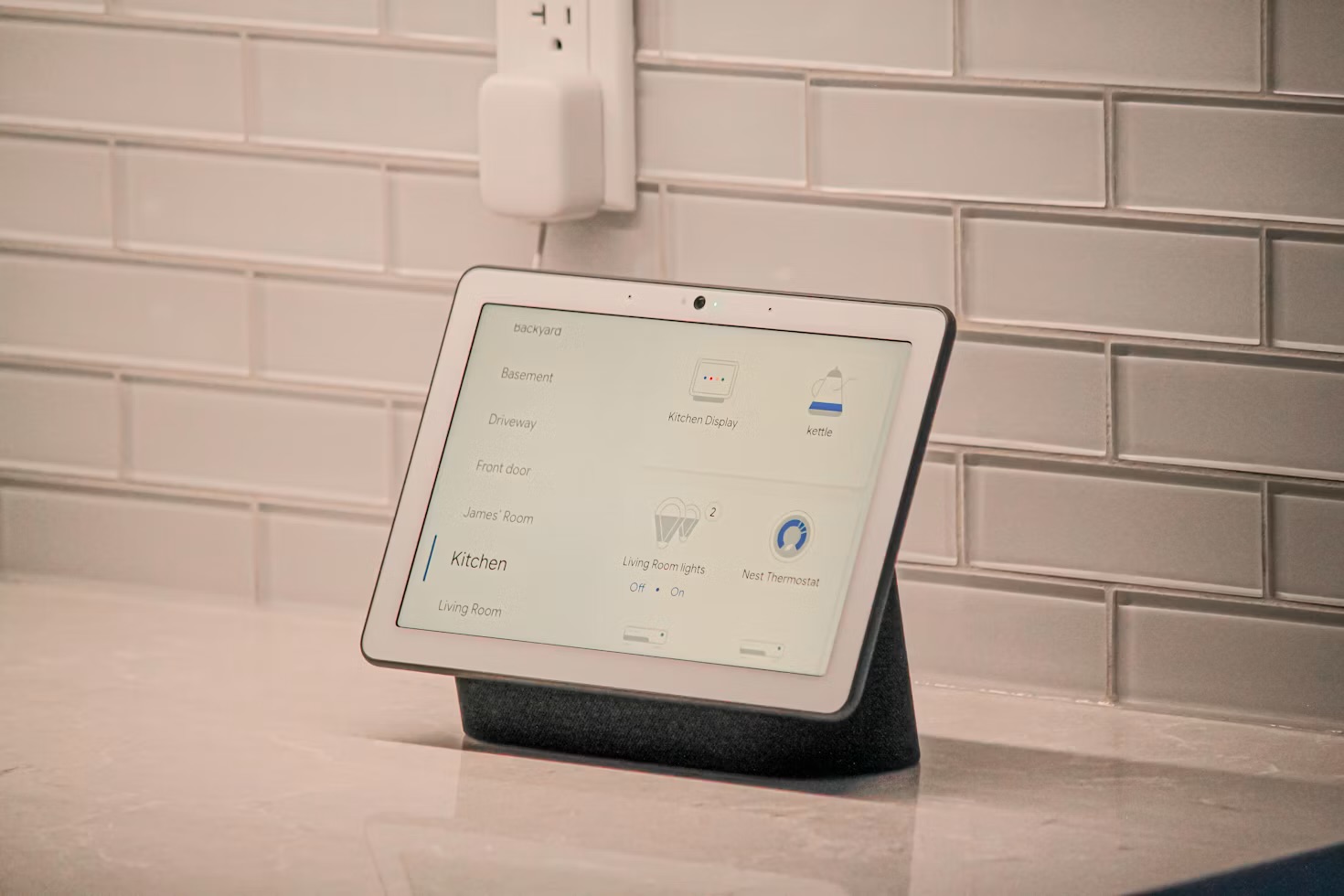
- Smart speakers as a hub — useful for weather and timers, genuinely bad at reliably controlling anything else in the house once you have more than a couple of devices. Mine now mostly plays the radio. A smart display in the kitchen surprised me far more — but for glanceable timers and photos, not the clever features.
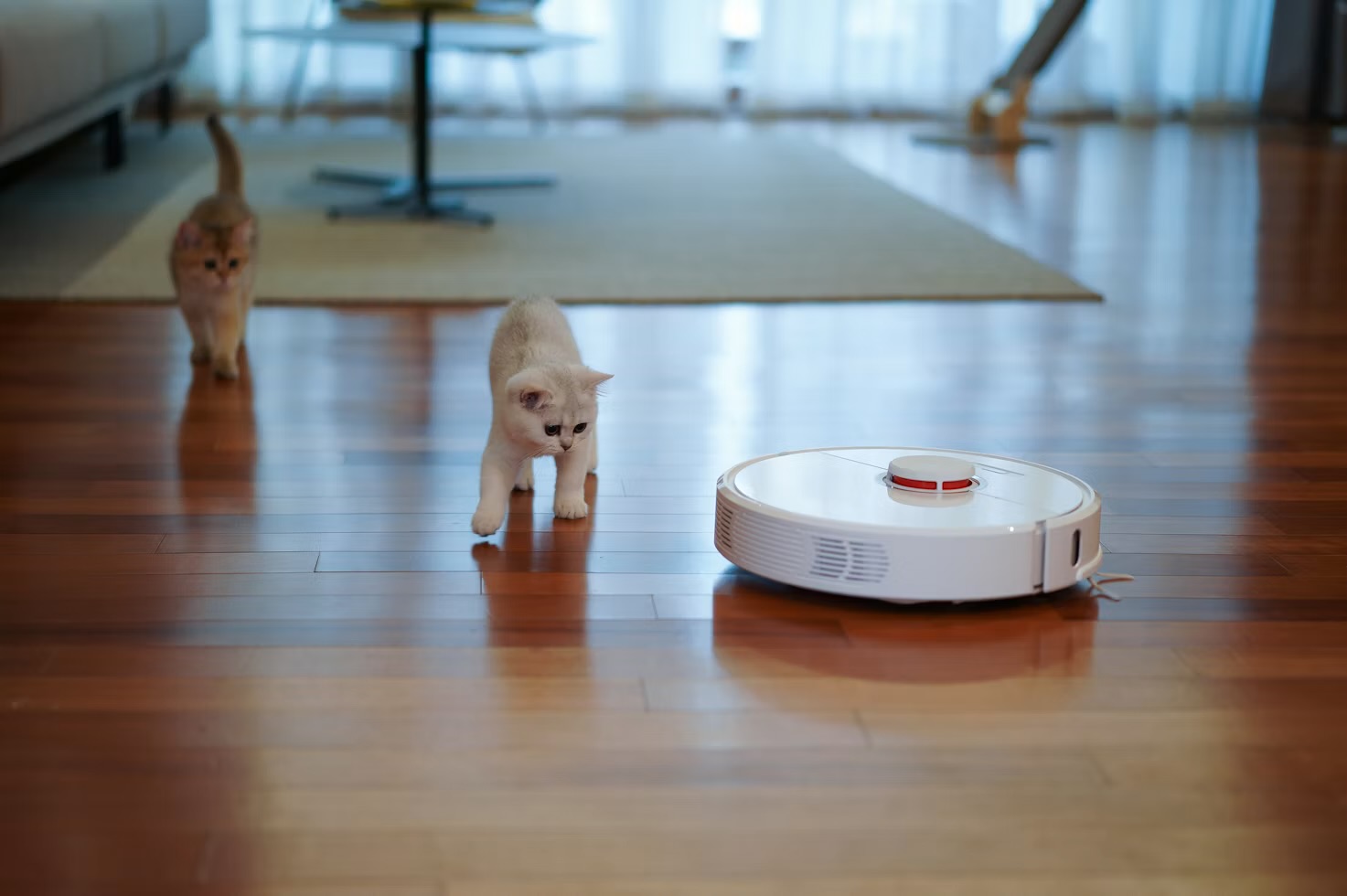
- Robot vacuums and smart thermostats — both excellent, both already covered in full 30-day trials on this site, and both deserve their own spotlight rather than a bullet point here.
The honest verdict: the smart home products worth owning aren't the ones that sound the most futuristic in a press release — they're the ones that quietly remove a small daily annoyance and then get out of the way. Lighting that doesn't fight your wall switches, a doorbell that answers one boring question reliably, and a plug that turns things off when you forget to. Everything else in that drawer was fun to unbox and not worth reordering.
The one buying rule I'd actually pass on
If you're starting from nothing, don't buy the flashiest device in a category — buy the one that fails safest when your wifi inevitably drops for an afternoon. Every product on this list still functions, in its dumbest form, with no network at all. That's a boring criterion to shop by, but it's the one that's actually predicted which gadgets earned a permanent spot in this house and which ones ended up in a drawer — the same instinct that eventually led me to switch off half my automations and keep only the routines that never need a phone. The other thing I now check is broad cross-brand support — the latest Matter 1.6 update is finally making it reasonable to expect a device you buy today to keep working with whatever ecosystem you switch to tomorrow.
If you want the next honest take before it goes live, join the Brite newsletter — no fluff, just what's actually worth your money.
Three gadgets earned their place. Plenty did not, and a growing number now want paying every month for features they used to include — which is why I stopped renting hardware I already own.
The test running through all three is whether a device earns its place by disappearing into the routine. That is exactly how thirty days with a robot vacuum settled it — the good ones you stop noticing, and the bad ones you keep having to rescue.
The harder call is the single-purpose gadget that does one small thing and nothing else — the category most likely to end up in that drawer. I gave one a fair run and wrote down what actually happened in a week with a heated smart mug, including the part where it does not do the job most people assume it does.
Lighting is the one on that list of three where the brand genuinely changes the experience rather than just the price. I ran Philips Hue against Govee in the same rooms for long enough to see where the cheaper system quietly costs you something, and where it honestly does not.
If the test really is whether a device disappears into the routine, then the fairest way to judge any of this is to look at what is still running months later. Here is my smart home as it actually runs now, hour by hour — four routines, which is fewer than most people expect and considerably fewer than I once had.
Gadgets break and fittings loosen, too. When one misbehaves, I now point my phone at it and ask an assistant what is wrong before I search the web; my guide to fixing things at home with an AI camera shows the routine and where I stop and call a professional.
Questions people actually ask
What smart home devices are actually worth buying?
Of the fourteen or so gadgets that have passed through my house in three years, only three earned a permanent spot: smart lighting paired with smart switches, a video doorbell, and a handful of smart plugs. What they share is that each one removes a small, repeated annoyance rather than adding a new capability you have to remember to use.
Are smart switches better than smart bulbs?
In my experience the switches are what make the bulbs usable. The moment someone flips the physical wall switch off out of muscle memory, a smart bulb loses power and goes fully dumb — no schedules, no scenes, no app control. Swapping the wall switches for smart ones meant the system stopped fighting the humans in the house.
Do smart plugs save electricity?
Modestly, yes — mine power everything down fully at night on a schedule instead of leaving devices on standby, which adds up to a genuinely lower standby power bill across four plugs. Honestly, the bigger win is not wondering whether I left the office fan running when I'm out of the house.
Are smart locks worth it?
I tried one for four months and gave it up. The convenience was real, but the anxiety of a dead battery locking me out, or an app update bricking access for an hour, never fully went away. For a household with lots of people coming and going the trade-off might land differently, but it didn't for me. If you're weighing one up, my longer test of what a smart lock really fixes goes through that trade-off properly.