I've replaced a dumb dial with a learning algorithm before and regretted it. This time I gave it a proper month, tracked the actual bill, and paid attention to the moments it got things wrong.
Every previous smart thermostat I've tried ended up back in "manual override" within a week, because I got tired of arguing with an app about whether the house was actually cold. So when I fitted a current-generation smart thermostat last month — the kind that learns your schedule and claims to cut heating costs automatically — I wasn't expecting to love it. I was expecting to tolerate it.
I left it running on its own settings for 30 days, barely touching the app, and only stepped in when the house genuinely felt wrong. Here's what a month of trusting the algorithm actually looked like.
The install: simpler than the vacuum, harder than the ring
Fitting the thermostat itself took about 40 minutes, most of which was double-checking wiring against the manufacturer's compatibility guide before I switched off the boiler at the fuse box. If your existing system uses a simple two-wire setup, this is a genuinely easy swap. If you've got underfloor heating zones or an older multi-zone system like mine, budget an extra hour and expect to Google at least one wiring diagram.
The bigger time sink was the same as every smart home device: teaching it about my house. I told it which rooms it was heating, roughly what time people are usually in or out, and let it start building a schedule from scratch rather than importing my old timer settings. That was a deliberate choice — I wanted to see what the "learning" part actually did, not just digitise my existing habits.
Where it genuinely earned its keep
The learning phase was faster than I expected, and more honest about it. For the first five or six days, the app openly told me it was "still learning" and asked me to confirm or override its guesses each evening. By day seven it stopped asking and started just... doing it correctly. Heating came on roughly 20 minutes before I usually got up, and dropped off almost exactly when the house was normally empty on weekdays.
Geofencing quietly solved the "forgot to turn the heating off" problem. Using phone location to detect when everyone's actually left the house meant the heating dropped to an eco temperature automatically on the two days I left in a rush without thinking about it. That's the single feature that would have justified the cost on its own — it replaced a genuine, recurring mistake rather than a hypothetical one.
The energy report made the abstract concrete. Instead of a vague sense that "smart heating saves money," I got a weekly breakdown of hours the heating was actually on versus my three months of previous bills for the same weather conditions. Over the 30 days, my usage dropped by a bit over 9% against a comparable stretch last winter — not dramatic, but real and specific, which is more than I can say for most efficiency claims.
Living with an algorithm that guesses your schedule
The part I expected to hate — a machine deciding when I'm cold — turned out to be the part I adjusted to fastest. What actually tripped me up was less predictable: a week where I worked from home unexpectedly and the thermostat, still following its learned schedule, dropped the temperature at the time it thought I'd normally leave. The fix was a 10-second override through the app, but it's a reminder that "smart" here means "pattern-matching your normal week," not "aware of what you're actually doing today."
Where it fell short
It over-corrects after any disruption to routine. A weekend with visitors, or a week of erratic hours, seemed to nudge the schedule slightly off for two or three days afterwards, as if it was quietly re-learning. Nothing drastic, but noticeable if you're paying attention.
Multi-zone control is still clunkier than a single thermostat's marketing suggests. Getting bedrooms and living areas on genuinely independent schedules meant buying additional smart radiator valves rather than relying on the main unit alone — an extra cost that wasn't obvious until I was three weeks in and annoyed that one room stayed cold.
The app occasionally prioritises "smart" over "simple." Twice I wanted to do the equivalent of "just make it warmer right now" and had to dig past scheduling screens and eco-mode toggles to find a plain manual boost. A physical dial never made me do that.
"The best home automation isn't the one that does everything. It's the one that quietly removes a chore you'd otherwise resent."
The smart home integration angle
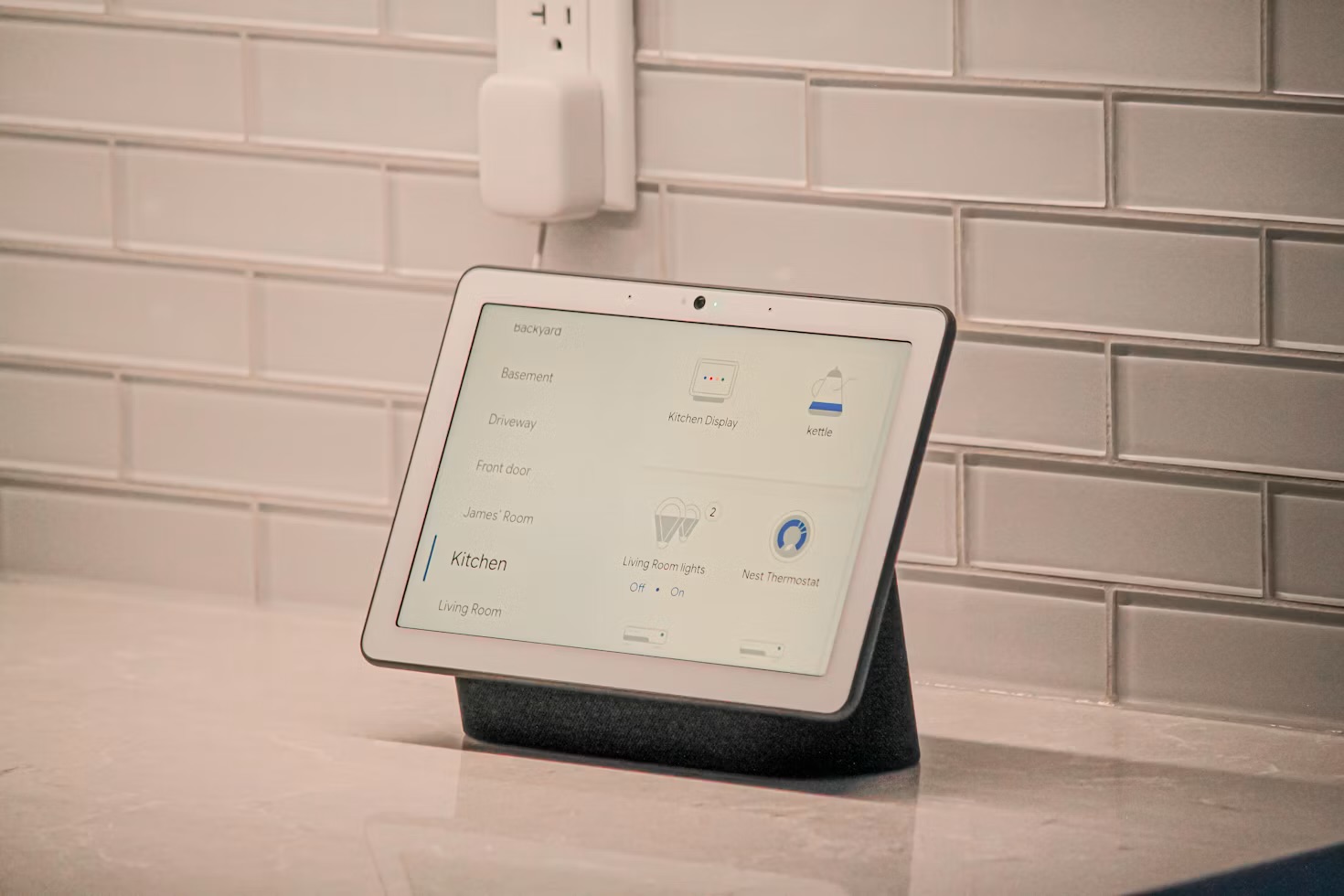
This is where a smart thermostat pulls ahead of most other smart home purchases: it slots naturally into an ecosystem you probably already have. Voice control through an existing smart speaker meant adjusting the temperature without opening an app — and once I later added a smart display to the kitchen, seeing the temperature at a glance rather than asking for it made the whole setup feel a step more finished. Matter support meant it appeared as a standard device rather than needing its own dedicated hub. If you're building out a smart home a piece at a time, a thermostat is one of the few additions that pays for itself in a way you can actually measure on a bill, rather than just in convenience.
Quick verdict: Worth it if your heating schedule is genuinely routine-based and you're willing to sit through a week of "still learning" prompts. Skip it if your week is unpredictable enough that a fixed schedule was never going to fit — you'll spend more time overriding it than it saves you.
What I'd tell a friend before they buy one
Let it actually learn before you judge it — the first week is genuinely different from week three, and most of the complaints I'd had about older smart thermostats turned out to be complaints about day two, not day thirty. Check your system's compatibility properly before you switch off the boiler, and if you've got more than one heating zone, budget for the extra valves upfront rather than as an annoyed afterthought. Once it settled in, this was the first smart home device in a while that saved me something I could actually point to on paper, not just a vague sense of convenience.
If you want the honest verdict on the next thing I test before it hits the site, join the Brite newsletter — no fluff, just what's actually worth your money.
This was the rare device that paid for itself. Others have quietly started charging rent — the nightstand experiment came partly from wanting fewer things in the house asking for my attention at all.
The thermostat won me over by being invisible, and that turns out to be the test every home gadget either passes or fails. It is the same reason thirty days with a robot vacuum ended the way it did — the good ones you stop noticing. What used to break that spell was setup, which is exactly the part Matter 1.6 finally sorts out.
If you are still choosing rather than living with one, the decision usually comes down to two names, and I put Nest and Ecobee side by side on the things that actually differ once they are on the wall.
One clever device is pleasant; a house that keeps working when the broadband drops is a different ambition. That is what moving the whole setup onto a local Home Assistant hub is for.
Questions people actually ask
Do smart thermostats actually save money?
Mine cut heating usage by a bit over 9% across 30 days compared with a similar stretch of weather last winter — real, but not dramatic. The saving doesn't come from making the boiler more efficient; it comes from not heating an empty house, with geofencing catching the days you leave in a rush and forget.
How hard is it to install a smart thermostat yourself?
Fitting mine took about 40 minutes, most of it double-checking the wiring against the compatibility guide before switching the boiler off at the fuse box. A simple two-wire setup is a genuinely easy swap; an older multi-zone system like mine means budgeting an extra hour and expecting to Google at least one wiring diagram.
How long does a smart thermostat take to learn your schedule?
About a week, in my experience. For the first five or six days the app openly said it was still learning and asked me to confirm its guesses each evening; by day seven it just got on with it correctly. Be aware that a disrupted week — visitors, erratic hours — nudges the schedule slightly off for two or three days afterwards.
Is a smart thermostat worth it if your schedule is unpredictable?
Honestly, probably not. The learning is pattern-matching your normal week, not awareness of what you're doing today — mine dropped the temperature mid-afternoon during an unexpected week working from home. If your routine is genuinely routine, it's one of the few smart home buys you can measure on a bill; if it isn't, you'll spend more time overriding it than it saves you.