A while back I wrote about switching off half the automations in my house because I'd built more than I actually used. People keep asking what's left running now the dust has settled, so here's the honest answer: four routines, none of them clever, all of them still going months later without me touching a single one.
That's the part nobody writes about. Every smart home piece is either "here's everything you could automate" or "here's why I gave up entirely" — nobody sits in the boring middle and just describes an ordinary Tuesday. So this is that piece. No new gadgets, no fresh app, just what actually fires in my house between waking up and going to bed, and why those four survived when a dozen others didn't.
6:40am — the heating decides, not me
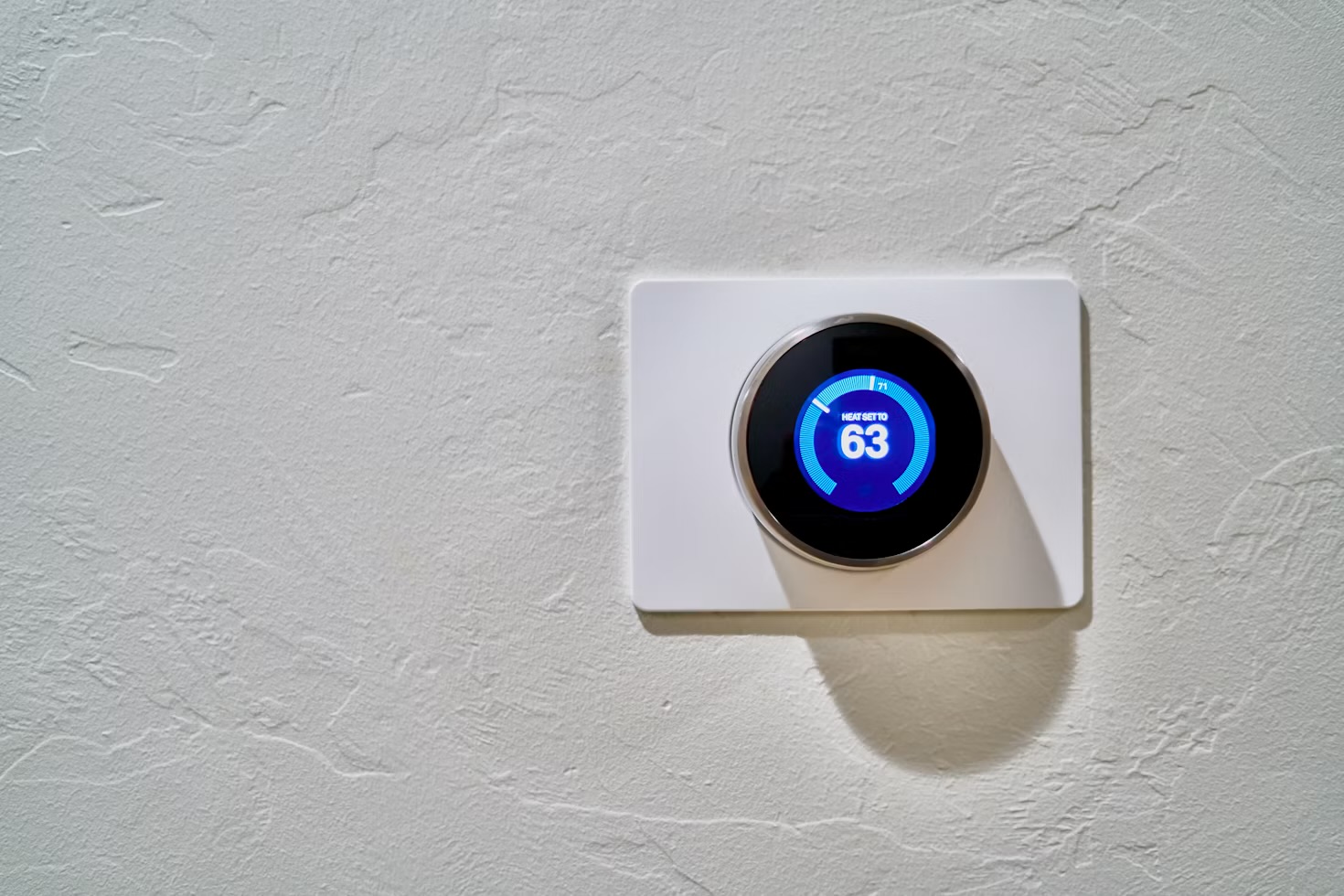
The thermostat schedule is the one automation I never think about, which is exactly why it's the one that's lasted. It drops to 16°C overnight and starts climbing back to 19°C at 6:40am on weekdays, an hour later at weekends, all set once inside the app and never touched since. There's no sensor to misfire, no trigger condition to get wrong — it's just a clock, and a clock doesn't have edge cases. It's the single automation in the house that's ever shown up as a real number on an energy bill, which is more than I can say for anything with a coloured light bulb in it.
7:15am — one voice command, not a routine
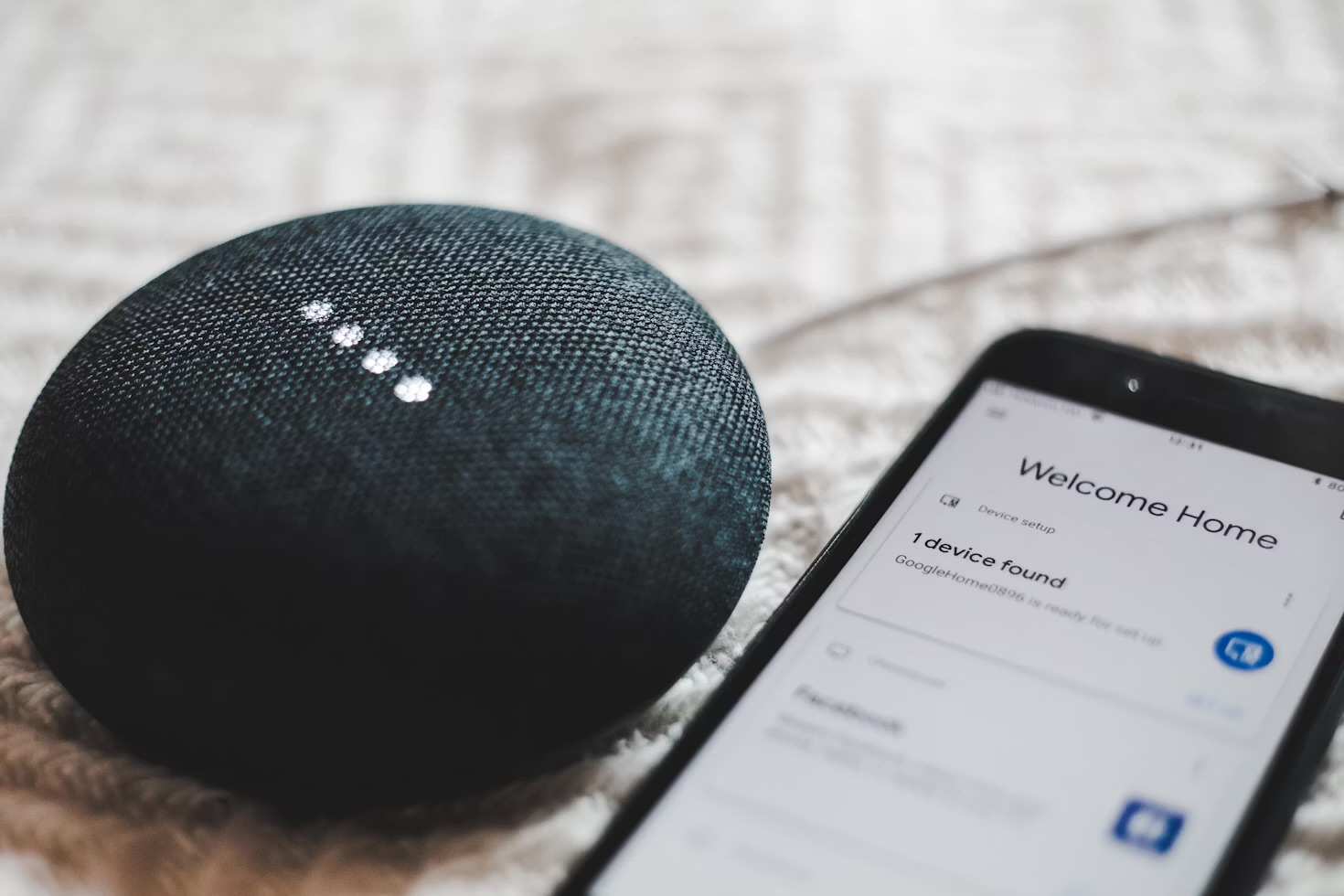
This is the one that surprised me most while writing the original piece: the thing that survived the cull wasn't an automation at all. Every morning I ask for the weather, the first calendar clash of the day and a five-minute news catch-up, out loud, while I'm making coffee. Alexa+ going free for Prime members earlier this year didn't change what I ask for, but it noticeably improved how it's answered — less "here's what I found on the web" and more a plain, direct answer to the actual question. Voice control doesn't need a trigger to get right or wrong. You ask, it answers, and there's nothing sitting in the background waiting to misfire at 3am.
Sunset — the one light rule that's actually a rule
Exactly one lighting automation survived: the hallway and porch lights come on at sunset and off at midnight, full stop. No motion sensor, no "if someone's home" logic, no colour scenes for different moods — those were the first things I switched off, because they were the ones most likely to get it wrong at the worst moment (a 2am bathroom trip lit up like a nightclub is not a feature). A plain time-based rule with no conditions attached has never once misbehaved, which is the entire reason it's still there.
10pm — one smart plug, one job
The last survivor is a single smart plug on the entertainment unit that cuts power to the TV, console and soundbar at 10pm and restores it at 7am. It exists purely to stop standby draw from three devices that are otherwise never fully switched off, and it does that one job without needing to know anything about the rest of the house. It's the smart home equivalent of a good light switch — dumb, reliable, and it does the same thing every single time.
The pattern, if there is one: every routine that survived has exactly one trigger and zero conditions attached to it. Time-based beats sensor-based, and "always do this" beats "do this, unless." The automations I killed were all the ones that tried to be clever about context — is someone home, is it dark enough, was the last motion recent enough. The ones that stayed just do the same thing at the same moment, every day, and never surprise me.
What I'm deliberately not adding back
I still get the odd nudge to reintroduce a "welcome home" scene, or geofencing to arm things automatically when I leave. Both would technically work. Neither would remove a decision I'm actually making right now, which was the whole bar I set when I cut the rest. It's the same instinct that's behind why I turned off Meta AI in every app it quietly enabled itself in — more assistance running in the background isn't automatically more useful, and the default answer to "should I automate this?" is worth staying "no" until something proves otherwise.
If you're earlier in this process than I am, the smart home hub has the full run of what I've actually tested in this house — thermostats, robot vacuums, lighting systems, all reviewed after a proper month rather than a weekend. And if you're specifically weighing up which thermostat to build a schedule like mine around, the Nest vs Ecobee comparison is where I'd start — the schedule matters more than the brand, but the app you'll be setting it in for the next few years matters too.
I'll write up the day this list changes again — what got added, and what finally proved itself worth the risk. Join the newsletter if you'd rather get that before it goes anywhere else.
When a sensor, plug or hub starts acting up, the hardest part is working out what you are looking at. Using your phone's AI camera to diagnose a household fault is how I get to a first answer quickly.
Questions people actually ask
What smart home automations are actually worth setting up?
The ones that fire on a schedule or a sensor you never have to think about again — a thermostat setback while you sleep, lights that come on with a hallway motion sensor, a plug that switches off standby gear at bedtime. Anything that needs you to remember to trigger it, or that occasionally does the wrong thing at the wrong time, tends to get switched off within a month.
How many smart home routines should I actually run?
Fewer than you'll want to build at the start. My own house runs on four now, down from around a dozen at the peak. Each one earns its place by removing a genuine daily decision — if you can't say in one sentence what chore or judgement call a routine replaces, it's probably a novelty rather than something you need.
Do smart home routines actually save money on energy bills?
The thermostat schedule is the one that genuinely does, because heating is the biggest controllable cost in most UK homes and a setback while you're out or asleep is real, measurable savings over a winter. Lighting and plug routines save far less in practice — the convenience is the actual benefit, not the electricity.
Is voice control still worth it if you don't automate much?
Yes, and it's arguably the routine that's aged best in my house. A voice assistant doesn't need a trigger condition to get right or wrong — you ask, it responds, and there's no automation logic to debug when it doesn't behave. That's a big part of why it outlasted most of the sensor-based automations I built.
What's the difference between a smart home routine and a scene?
A scene is a fixed snapshot — a set of lights, colours and brightness levels you recall with one tap or one phrase, like "movie time". A routine is a scene plus a trigger: a time, a sensor, or an arrival/departure event that fires it without you doing anything. The routines that actually stuck in my house are the ones with the most reliable trigger, not the fanciest scene.