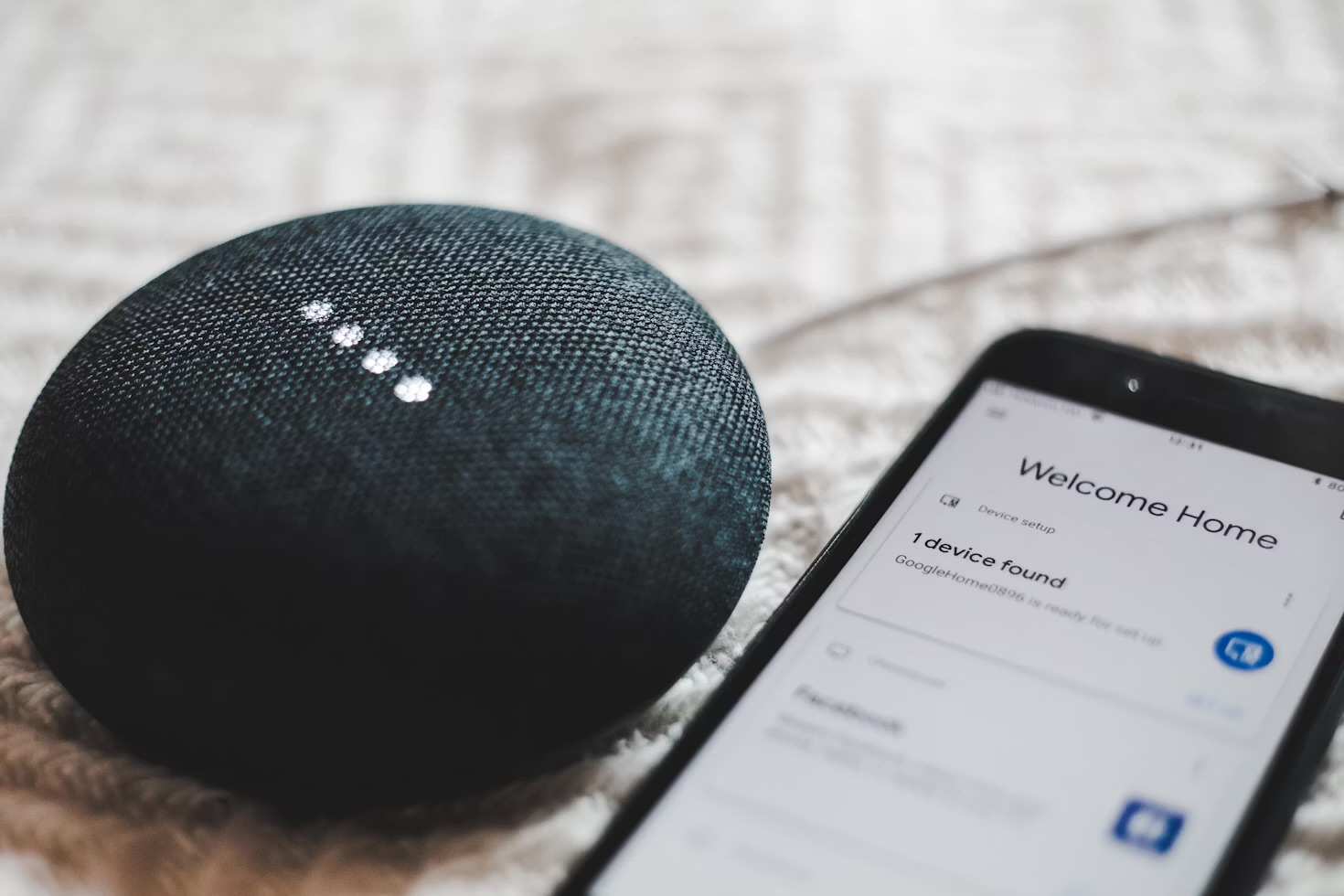
I've had Alexa+ quietly running in this house since the UK's early access opened back in March — mostly as a curiosity sat next to the Google Home routines I actually trust to lock the door. On 1 September, Amazon made it permanent: every Prime member in the US got Alexa+ for free with no early-access caveat attached, and confirmed the same free-with-Prime structure is coming here too. Six months in felt like the right moment for an honest verdict, not a first impression.
This isn't a Prime-perks roundup — plenty of sites will give you the headline number and move on. This is what actually changed in my kitchen once the "free trial" stopped being the reason I was using it.
What actually happened on 1 September
The change itself is simple: Alexa+ stopped being a $19.99-a-month upgrade you had to actively choose, and became something every US Prime member already has, switched on, with no extra sign-up. The UK is a step behind on the pricing side — we've had early access free for everyone since March, and Amazon still hasn't said exactly when that ends — but the structure it's confirmed matches the US exactly: free if you already pay for Prime, £19.99 a month if you don't.
The detail that interested me more than the price is that it runs on the Echo already sat on my kitchen counter, not a device I'd need to buy. Amazon says it works on roughly 97% of every Echo it's ever shipped. And it's built on a mix of Amazon's own Nova models and Anthropic's — which explains a lot about why it finally feels less like a fixed command list and more like something you can actually talk to.
Six months of talking to it instead of commanding it
The old Alexa needed an exact phrase, and it forgot everything the second it finished a task. Ask it to turn off the lights, then ask "what about the landing one too" and it had no idea what "the landing one" meant — you'd repeat the whole sentence, room name and all, every single time. Alexa+ holds onto that context. I can say "turn off the lights downstairs and drop the heating two degrees," then follow up with "actually leave the kitchen on" a few seconds later, and it knows exactly what I mean without re-explaining the whole request.
The clearest everyday win has been multi-step home commands landing in one sentence instead of three separate ones — genuinely useful on nights when I'm already halfway out the door with my hands full. It's a small thing that adds up to noticeably less friction, not a headline feature.
Where it's still rough
The parts of Alexa+ Amazon is loudest about — ordering groceries, booking a table, handling multi-step tasks with no supervision — I've deliberately not let loose on anything with my card attached, and some of them aren't fully live here yet regardless. That's not caution for its own sake: I wrote a while back about why I turned off half my own smart home automations after they started making decisions I hadn't actually agreed to, and handing an AI assistant real purchasing power is the same trade at a bigger scale. I'll let it manage my lights. I'm in no hurry to let it manage my wallet.
It also still misunderstands the occasional home command — asked for "the office" the way I always have, and it paused for a beat longer than the old Alexa ever did before getting there. Free removes the cost objection. It doesn't make it flawless.
"Free is exactly the right price for where Alexa+ actually is — noticeably smarter at conversation, still uneven on the parts Amazon is proudest of."
Does this change which ecosystem I actually run
No — and that's worth being precise about, because it's a different question than it sounds like. I ran Google Home and Alexa head-to-head for away-from-home routines a while back and kept Google Home because its triggers fired faster and more reliably when I actually left the house. Alexa+ makes the assistant you talk to noticeably smarter. It doesn't touch how quickly a geofence trigger fires or how consistently a smart plug responds — that's still down to the same hardware and networking it always was. I'm not switching my smart home setup over this. I am, for the first time in years, leaving the Echo plugged in on purpose instead of by accident.
The honest verdict: Free is exactly the right price for where Alexa+ actually is — genuinely more useful for the conversational, multi-step stuff, still uneven on the parts Amazon is proudest of. If you already own an Echo and already pay for Prime, there's no real reason not to turn it on. It's a harder sell at $19.99 a month on its own, especially with ChatGPT and Gemini both competing at a similar price point and neither one making you buy a smart speaker to use them.
Should you actually turn it on
If you've got Prime and an Echo already sitting in the house, yes — there's genuinely nothing to lose, and the conversational upgrade is real enough to notice within the first day. If you don't already have Prime or an Echo, I wouldn't buy either purely for this; it's a meaningful improvement to something you already own, not a reason to start from zero. Six months of early access got me from mildly curious to actually leaving it switched on, which is more than the old Alexa managed in about a decade of just being there.
If you want the next honest verdict before it goes live, join the Brite newsletter.
Questions people actually ask
Is Alexa+ actually free now?
For Prime members, yes — as of 1 September 2026, Amazon made Alexa+ a permanent Prime benefit in the US with no separate sign-up or early-access caveat. Without Prime, it's a $19.99 a month subscription (£19.99 in the UK once early access ends), though a limited text-only version stays free for anyone through the Alexa app.
Is Alexa+ available in the UK?
Yes. The UK got Alexa+ Early Access in March 2026, free to try for everyone regardless of Prime status. Amazon hasn't said exactly when that early-access period ends, but it's confirmed the same pricing structure will apply here: free with Prime, or £19.99 a month without it.
What's actually different about Alexa+ compared to classic Alexa?
Classic Alexa needed a specific phrase and forgot everything the moment it finished a task. Alexa+ holds context across a conversation, so you can ask a follow-up question without repeating yourself, and it can chain several steps together from one request instead of needing a separate command for each device.
Do I need to buy a new Echo device to use Alexa+?
No. Amazon says it works on roughly 97% of every Echo device it's ever shipped, including older speakers and Fire tablets — it's a software upgrade to the assistant, not new hardware. If your Echo already runs Alexa, it can run Alexa+.
Is Alexa+ worth switching from Google Home for?
Not on its own. I tested Google Home and Alexa head-to-head for away-from-home routines and kept Google Home because its triggers fired faster and more reliably — that's a separate question from how smart the conversation layer is. Alexa+ makes the assistant itself better; it doesn't change which ecosystem responds quicker to a real command.