A couple of years ago I was quietly proud of a house that ran itself. Lights that anticipated me, routines that greeted the morning, a phone dashboard that made me feel like I lived in the future. Then I started switching it all off. Not because the gadgets failed — most of them worked fine — but because I finally admitted the automation was making my daily life a little bit worse, one clever rule at a time.
This isn't an anti-smart-home rant. I still love the category, I still test it constantly, and there are three or four automations in my house I'd fight to keep. But somewhere along the way I crossed a line from "technology that saves me effort" into "technology that asks for it," and I didn't notice until I was standing in my own hallway, waving my arms at a light that had decided I'd left the room.
The dream I bought into
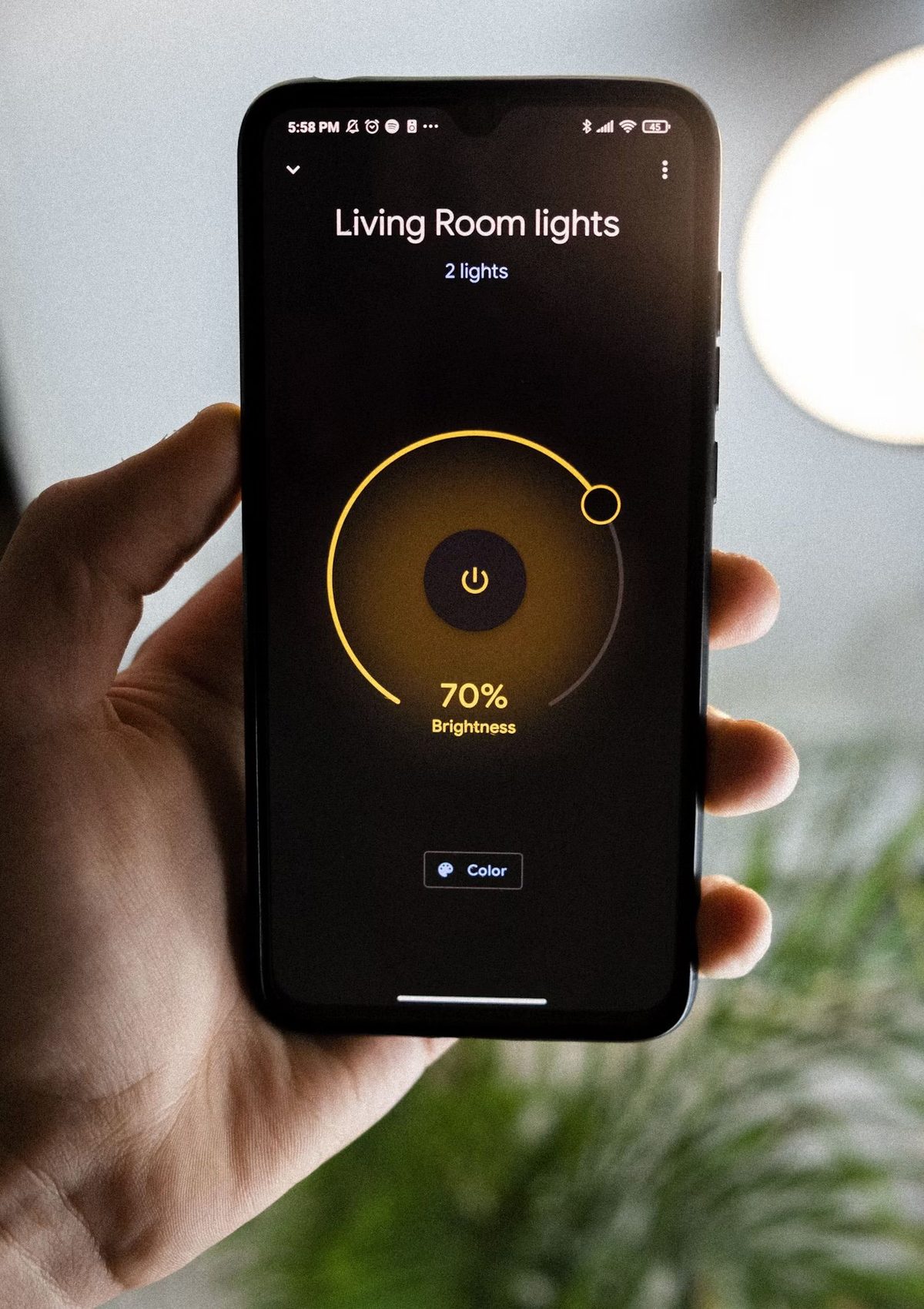
The pitch for home automation is intoxicating, and I fell for all of it. You don't just have smart lights — you have lights that fade up at sunset, dim for films, and turn themselves off when the last person leaves. You don't flick a switch — you say "good morning" and the kettle, the radio and the blinds all obey. For a while, that's genuinely magical. I automated everything I could reach: motion sensors in every room, a "movie night" scene, a "leaving the house" routine, plugs that cut power to the TV on a timer.
What nobody tells you is that every one of those routines is a tiny promise you've made to yourself, and promises need maintaining. A motion sensor's battery dies. An app update quietly renames a device and breaks the scene that referenced it. A cloud service has a wobble and your "good morning" does nothing at 6am while you stand there feeling foolish. I'd built a house that worked beautifully — right up until any single link in a long invisible chain failed.
When your home becomes a second job
The turning point was realising how much of my time smart home tinkering was actually eating. I'd sit down in the evening and, instead of relaxing, I'd notice a light behaving oddly and disappear into an app for twenty minutes. Multiply that across a dozen automations and I wasn't saving effort — I'd hired myself as the unpaid sysadmin of my own living room.
It's the same trap I wrote about in paying monthly to use gadgets I already own: the ongoing cost of a device is rarely the thing on the price tag. With automation the hidden cost is attention. Every rule you add is one more thing that can break, one more thing you have to remember exists, and — this is the killer — one more thing you have to explain to everyone else who lives there.
"A smart home is supposed to remove friction. Mine had quietly started manufacturing it — and calling the friction 'features.'"
The test my automations kept failing
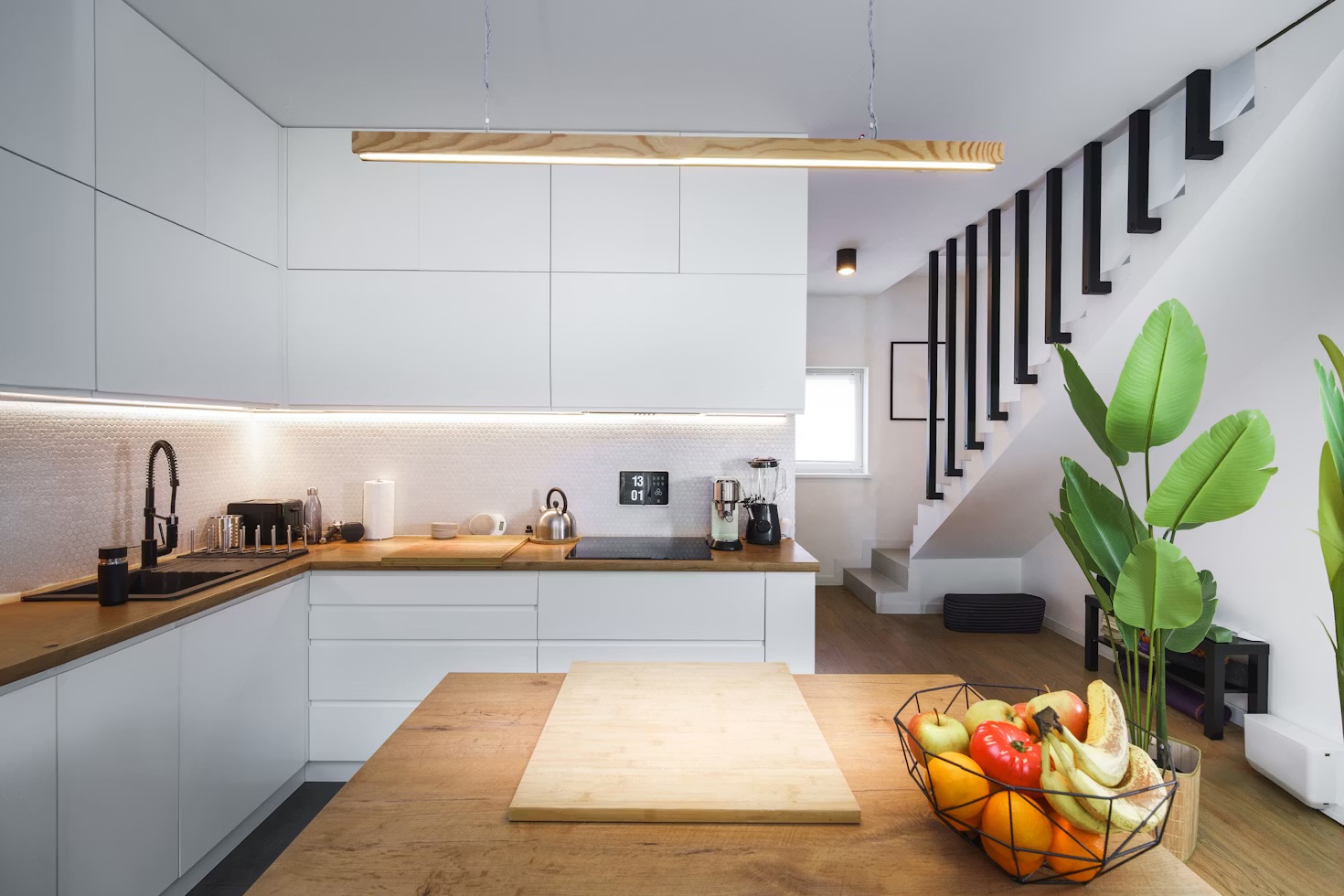
Here's the moment that changed my thinking. A friend was house-sitting and messaged me, slightly embarrassed, to ask how to turn on the kitchen lights. There was no switch — I'd "upgraded" past it. The lights were on a motion rule that didn't cover the corner she was standing in, and the only manual override was buried three taps deep in an app she hadn't installed. She'd been sitting in a half-dark kitchen rather than fight my clever house.
That's the test I now apply to everything: can a guest, a babysitter or a tired version of me at midnight operate this without knowing the system? Most of my proudest automations flunked it. A light you can only control by voice fails the instant you have a sore throat, a sleeping baby, or a visitor who doesn't know the magic words. Convenience that only works for the person who built it isn't convenience — it's a private language.
What I kept, and what I quietly deleted
So I did an honest cull. The survivors all share one trait: they run a genuinely repetitive chore, in the background, and nobody ever needs to override them in a hurry.
- Kept: a heating schedule — the single automation I'd defend to anyone, and the reason I still think a smart thermostat earns its place. It runs a routine I'd otherwise do badly by hand. If you're still deciding which one, Nest and Ecobee are the two worth actually comparing.
- Kept: outdoor and hallway lights on a plain dusk-to-dawn timer. Invisible, reliable, and no phone required.
- Kept: two smart plugs that kill standby power to the TV and desk overnight. Set once, forgotten happily.
- Deleted: motion-triggered lighting indoors. It turned off on me constantly and turned on for the cat at 3am.
- Deleted: chained "good morning / good night" voice routines. Impressive in a demo, exhausting in a marriage.
- Deleted: anything whose only control was an app or my voice. Every one of those got a real, physical switch back.
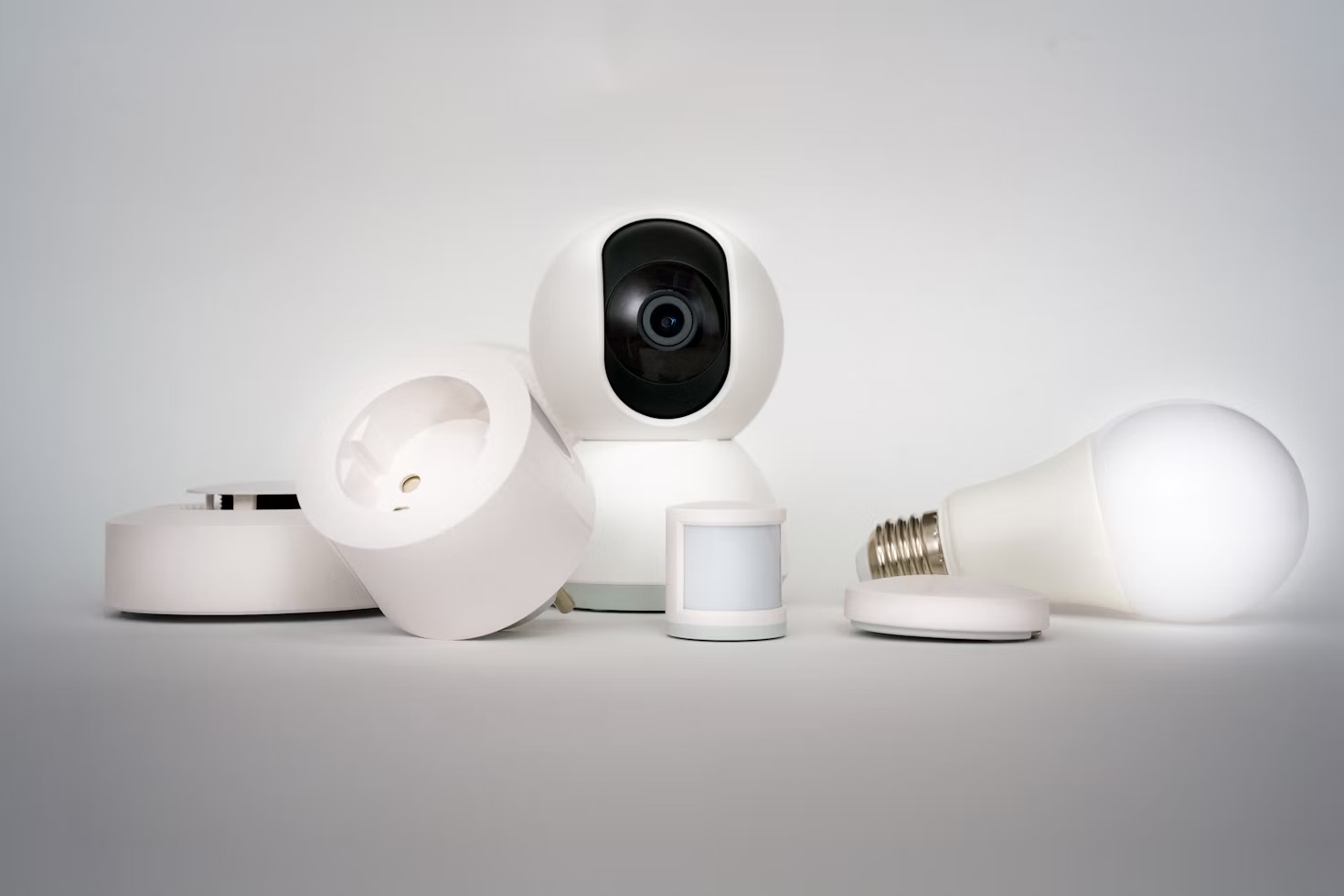
The pattern is obvious in hindsight. I kept the automations that behave like infrastructure and I killed the ones that behave like parlour tricks. If you're building a smart home from scratch, the starter-kit approach I still recommend leans hard on the boring, reliable end of that spectrum for exactly this reason. It's the same trade-off that quietly sent me back to a wired headset for calls — wireless is a convenience layered on a connection that can drop; a cable just doesn't.
My honest take: Automate the chores that are genuinely repetitive and that you'd never need to interrupt — heating, outdoor lights, standby power. Leave everything you touch daily on a plain, physical control that works even when the Wi-Fi doesn't. A smart home should be a quiet convenience layered on top of a house that already works, not a fragile system standing between you and your own light switch.
Do people actually keep using smart home routines, or do most give up?
Almost nobody switches their routines off in a single decisive moment. They decay. A sensor battery goes flat and the rule quietly stops firing; nobody in the house notices for a fortnight because everyone has already gone back to using the switch. That is what "giving up" on home automation actually looks like — not a decision, an erosion — and it is why people are often surprised to be asked whether they still use the routines they were so pleased with a year ago.
I can't tell you what the average household does, and I'd distrust anyone who claims a tidy figure for it. What I can tell you is which of mine survived two years and what the casualties had in common. Three things predicted it every time:
- Whether anyone else had to learn it. Every routine that required a second person to know a phrase, a gesture or an app was dead inside a few months. The ones nobody had to be taught are all still running.
- Whether it failed loudly or silently. A heating schedule that stops is obvious within a day, so it gets fixed. A "turn the lamp off when I leave" rule that stops is invisible — you simply flick the lamp off yourself and never think about it again.
- Whether it replaced a chore or performed a trick. Chores stay automated because doing them by hand is genuinely worse. Tricks stop being impressive around the fourth time you see them, and after that they are only a maintenance liability.
The one category that has never been at risk of quiet abandonment in my house is the away routine — locks, lights, thermostat and cameras all moving together when the last person leaves. It fails loudly, it needs no audience, and it does a job I would otherwise do badly. That is precisely why it is the routine I ended up rebuilding twice on rival platforms to see which one I trusted with it, in my Google Home versus Alexa comparison of the same away routine. If you only keep one automation after reading this, keep that one.
The rule I use now before I automate anything
These days I ask two questions before I add a single rule. First: is this a chore I do on a fixed schedule and never in a rush? If yes, automate it and forget it. If it's something I control by mood, context or urgency — lighting while I cook, the volume, which lamp is on — it stays manual, because a rule will only ever guess wrong at the worst moment. Second: does it still work with no internet and no phone? If the honest answer is no, I want a physical fallback before the clever bit ever goes in.
The lighting itself turned out to matter as much as the rules I wrote for it. I ran Philips Hue against Govee for a month once I'd settled on which rooms deserved automation at all, and reliability alone — not price, not features — decided which system got which room.
It's a less impressive house than the one I had two years ago. Nothing greets me when I walk in, and there's no dashboard I show off to visitors. But it's a calmer one. The tech that remains does its job and then gets out of the way, which — after all the reviews I've written — is the only definition of "smart" I actually trust now. If you want the honest version of what stays in my home and what quietly gets unplugged, the rest of my smart home coverage is where I keep score, and you can get the follow-ups straight to your inbox by joining the Brite newsletter. The one recent addition that passed that test was a smart display on the kitchen counter, and mostly for a reason I didn't expect. Months on, I wrote up exactly what's still running now, day to day — four routines survived the cull, and the reason they did is the same rule above, just proven out in practice.
What eventually changed my mind was not fewer automations but owning them outright — rebuilding it on a local Home Assistant hub, where nothing depends on a company still being interested next year.
Questions people actually ask
Do people actually keep using smart home routines, or do most give up?
Most people don't consciously give up on them — the routines decay. A sensor battery dies or an app update renames a device, the rule silently stops firing, and everyone in the house goes back to the switch without ever making a decision about it. In my own house the ones that survived years share three traits: nobody else had to be taught them, they fail visibly enough to get fixed, and they replace a genuine chore rather than perform a trick. The routines that quietly died were voice-only, invisible when broken, or impressive rather than useful. Judge a new automation on those three questions before you build it and you'll keep far more of what you make.
Is automating your whole smart home worth it?
For a handful of genuinely repetitive jobs, yes — automation is brilliant. Lights that come on at dusk, a heating schedule, plugs that cut standby power overnight: set them once and they earn their keep quietly for years. The trouble starts when you automate for the sake of it. Motion-triggered lights, chained "good morning" routines and voice-only switches add rules you have to remember, maintain and explain to everyone else in the house. My honest answer after years of it: automate the boring, repeating chores and leave everything else on a plain, physical control.
Why do smart home automations stop working?
Automations break because they depend on a chain of things all staying healthy at once — Wi-Fi, a hub, a cloud service, an app update and a device firmware version. Change or drop any one of those and the routine silently fails. The more automations you stack, the more of these fragile chains you're quietly maintaining, which is exactly why a house full of clever routines can feel less reliable than a few good ones plus ordinary switches.
What smart home automations are actually worth keeping?
The ones that run a chore you'd otherwise do on a fixed schedule and never need to override in a hurry. In my house that's a heating schedule, outdoor and hallway lights on a dusk-to-dawn timer, and a couple of standby-killing plugs. They're invisible, they don't need a phone, and a guest never gets stuck because of them. Anything you find yourself fighting — a light that turns itself off while you're still in the room, a routine you cancel more than you use — is a candidate for deletion.
Should a smart home still work without the internet?
Ideally, yes, and it's a test worth applying before you buy. The frustration of a house that stops responding when the broadband drops taught me to favour devices with a physical control and local operation — a switch that still switches, a lock with a key, a thermostat with a dial. Automation should be a convenience layered on top of something that already works, not the only way to turn a light on.