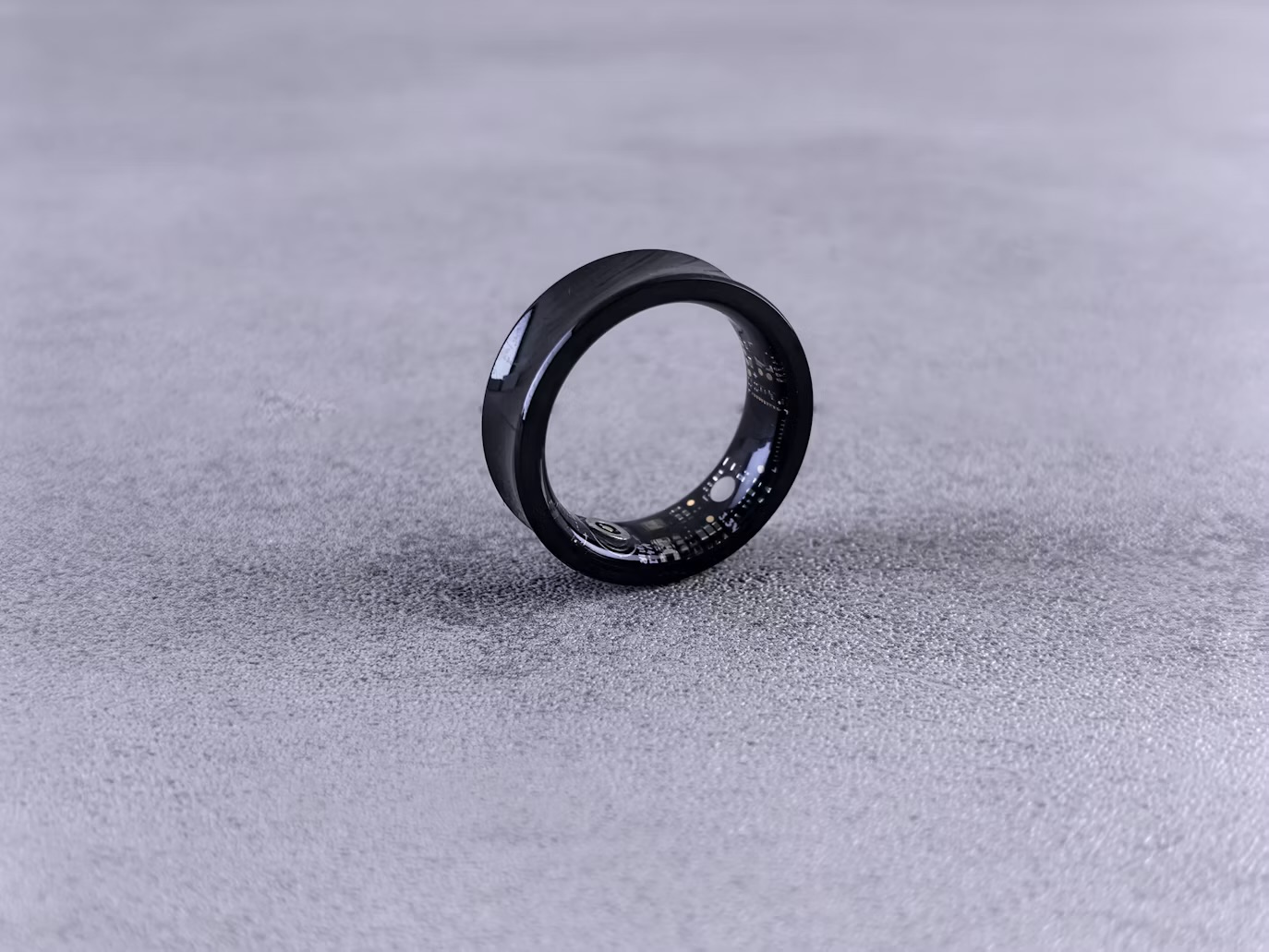
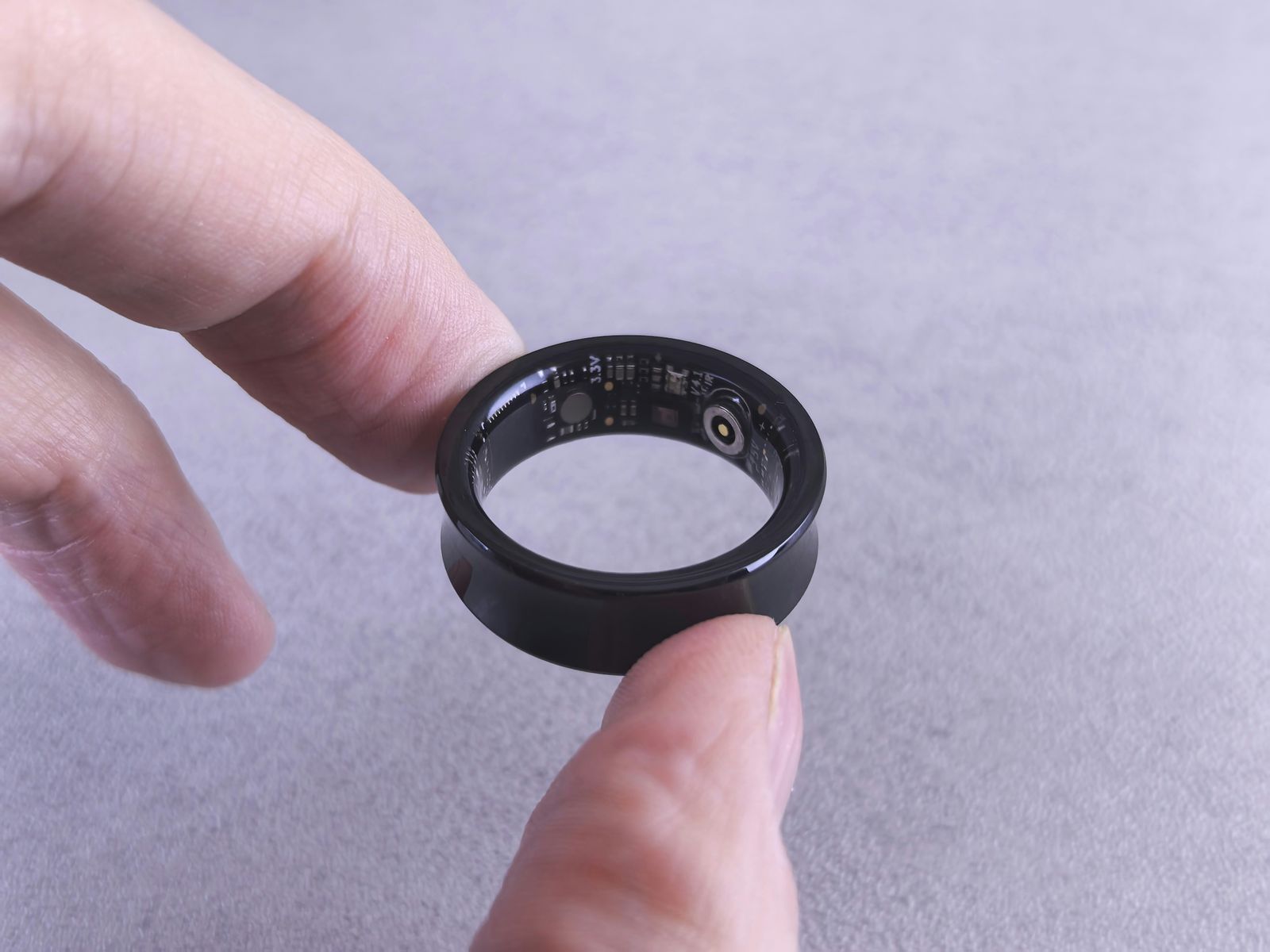
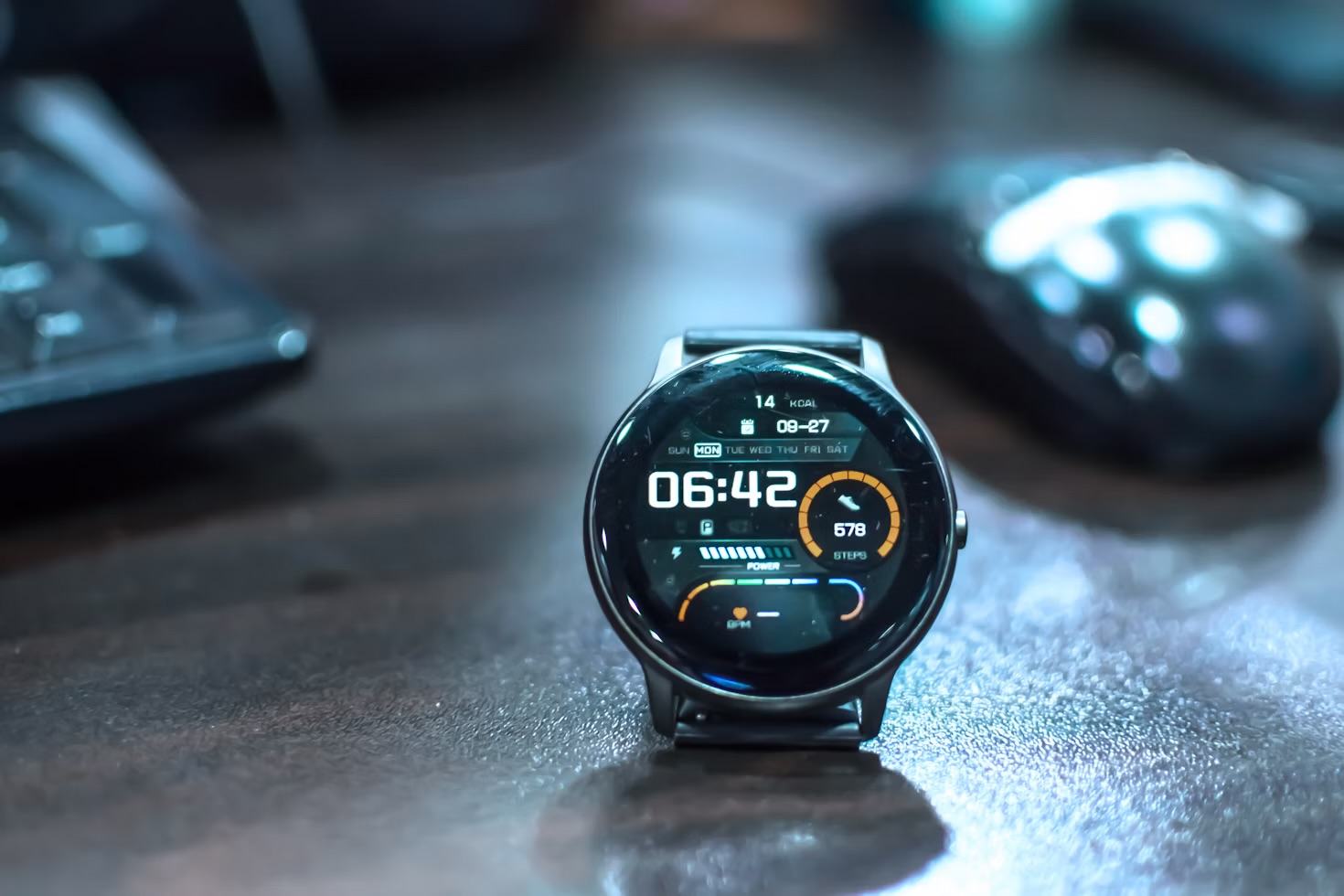
For about two years, the first thing I did every morning — before coffee, before curtains, before I was really awake — was check a number that told me how well I'd slept. And then, one week, I stopped. Not because the device broke, but because I finally admitted the number was making my mornings worse, not better. This is the honest, slightly awkward story of why I broke up with my sleep score.
I want to be clear up front: I am not anti-wearable. I've worn one on my wrist or my finger almost continuously for years, and I've written plenty about what the good ones get right. This isn't a "throw your tech in the bin" piece. It's narrower and, I think, more useful than that — it's about one specific habit that crept up on me, felt productive, and was quietly doing the opposite. The sleep score. The little verdict your ring or watch hands you the moment you open your eyes.
How a helpful number turned into a bad habit
It started innocently. I got serious about recovery, and part of that was paying attention to sleep — which is genuinely one of the highest-leverage things any of us can do. The wearable made it measurable, and measurable felt like progress. For a while it was. I could see, in black and white, that a late glass of wine wrecked my deep sleep, or that a hard training day pushed my resting heart rate up overnight. Useful stuff.
But somewhere along the line the tool stopped serving me and I started serving it. The score became the first thing I looked at, and it set the emotional weather for the whole day. An 85 and I felt invincible. A 61 and I'd already decided, at 6am, that I was tired, foggy and destined to underperform — regardless of how I actually felt. I was letting a number I hadn't earned or verified overrule the evidence of my own body. That's a strange thing to catch yourself doing, and once I noticed it I couldn't unnotice it.
The morning I realised the data was in charge
The tipping point was almost funny. I woke up feeling genuinely good — rested, clear, ready. Then I checked the app and it told me I'd had a poor night: not enough deep sleep, low readiness, take it easy. And I watched, in real time, my good mood drain out through my thumb. Within ten minutes I'd talked myself into feeling tired. I skipped a workout I'd have sailed through. The only thing that had changed between "I feel great" and "I feel rough" was a screen.
That's when the penny dropped. There's actually a name for this — sleep scientists call it orthosomnia, the anxious pursuit of a perfect sleep score that ends up harming your sleep and your sense of how rested you are. I'd read about it and quietly assumed it was other people. It was me. The measurement had stopped describing my reality and started dictating it.
"A sleep tracker can tell you what happened last night. It cannot tell you how to feel about today — but if you let it, it absolutely will."
What the number is — and isn't — actually measuring
Here's the part that made it easier to let go. Once I looked honestly at how these scores are built, they earned a lot less of my morning anxiety. A wrist or finger wearable doesn't measure your brain waves. It infers your sleep stages from movement and heart-rate patterns and then wraps that estimate in a confident-looking chart of light, deep and REM. The total sleep time is usually in the right ballpark. The precise stage breakdown — the bit I was treating as gospel — is closer to an educated guess.
I'd argued something similar about recovery scores when I wore two devices at once for my Whoop 5.0 versus Oura Ring 4 comparison: the two gadgets, on the same body on the same night, routinely disagreed about how well I'd recovered. They can't both be right. What that taught me is that the trend over weeks is the trustworthy signal, and the single-night verdict is noise dressed up as precision. I'd been reacting to the noise every single morning.
What I do now instead
I didn't go cold turkey on the hardware — I still wear a device to bed most nights. The change is subtler and, honestly, more grown-up: I collect the data but I stopped consulting the verdict. I turned off the morning readiness notification, the same way I stopped opening the stress score on the same device. I don't open the app first thing. Instead I check the weekly averages maybe once every week or two, looking only for big shifts — a run of genuinely short nights, a resting heart rate that's crept up because I'm getting ill. That's the signal worth acting on. The rest is just a number to feel bad about.
And I moved my attention to the things that actually move sleep, all of which I control and none of which need a chart: a consistent wake time even at weekends, daylight in my eyes early, cutting caffeine off after lunch, and a bedroom that's properly cool, dark, and — the single change that helped most — one I've kicked my phone out of entirely. If you want the constructive flip side of this piece — how to turn the numbers you do collect into decisions rather than dread — that's exactly what my guide to making wearable data actually useful is about. The device is still on my finger; it just no longer gets a vote on my mood.
The honest verdict: Sleep tracking is a brilliant servant and a terrible master. If a nightly score genuinely helps you spot patterns and change your habits, keep it — but review it weekly, not at 6am, and never let it overrule how you actually feel — the same weekly-not-nightly discipline I apply to the handful of wearable features I still use daily. The day I stopped grading my nights was the day I started sleeping like someone who wasn't being marked.
Who should keep tracking — and who should stop
To be fair to the tech, plenty of people genuinely benefit from nightly tracking and should carry on. If you're chasing a specific goal, managing a health condition with your doctor, or you're simply the kind of person who finds data motivating rather than menacing, a good tracker is a real asset. This whole shift is one I keep coming back to across gadgets — I felt it too when I wrote up my 30 days living with a smart ring: the tech is only as good as the relationship you have with it. For a broader look at what's worth strapping on in the first place, my wearable and fitness tech reviews go device by device — including the running metric I eventually had to demote the same way, once two watches gave me two different VO2 max scores for the same run.
But if you recognise yourself in this article — if the first emotion of your day is too often decided by an app — then the most advanced sleep upgrade available to you isn't a new ring or a fancier mattress sensor. It's turning the score off and trusting the oldest, most accurate sleep tracker there is: how you feel when your feet hit the floor.
If you like tech takes that tell you when to stop using something as readily as when to start, join the Brite newsletter — no hype, just what actually earned a place in my week.
Dropping the sleep score did not mean dropping everything measurable — some changes are obvious enough that you feel them without a number. Thirty days on a standing desk was one of those, and it needed no dashboard to confirm.
Sleep was not the only metric I stopped trusting. The screen-time figure turned out to be measuring something quite different from what I assumed.
I gave the same scrutiny to a piece of gear rather than an app: I'd worn blue light glasses for years assuming they were helping my sleep, and testing them properly against my own sleep data turned out to be a far more useful comparison than trusting the feeling.
I ran into the same trap from a different angle when I spent 30 days with an AI journaling app: a tool that tracks something as personal as your nights or your thoughts can quietly start deciding what you should think about them, not just recording it.
If you're still deciding which device gets to do the collecting in the first place, I compared a smart ring against a smartwatch on the same nights — the honest answer had less to do with sensor accuracy than with which one I actually kept charged.
It is a fair question for lifting too. I tracked every session twice, once in an app and once on paper, and wrote up which one actually helped me lift heavier.
Questions people actually ask
Can tracking your sleep actually make it worse?
For some people, yes. Sleep scientists have a name for it — orthosomnia — where the anxious pursuit of a perfect sleep score keeps you awake or makes you feel unrested even after a normal night. When a number tells you your sleep was poor, you brace for a bad day and often get one. That was my experience: the tracking added a layer of worry that the sleep itself never needed.
How accurate are sleep trackers anyway?
They're good at guessing when you fell asleep and roughly how long you slept, and much weaker at the thing they present most confidently — the breakdown of light, deep and REM stages. Consumer wearables infer stages from movement and heart rate rather than measuring brain activity, so the nightly stage chart is an educated estimate, not a medical reading. Treat the trend over weeks as useful and the single-night stage split as entertainment.
Should I stop wearing my smart ring or watch to bed completely?
Not necessarily — I didn't. I stopped looking at the score every morning, not wearing the device. If the data genuinely helps you (spotting the effect of late caffeine, illness or alcohol), keep collecting it but review it weekly instead of at 6am. The problem was never the sensor; it was checking a verdict on my night before I'd even had a coffee.
What should I pay attention to instead of a sleep score?
How you actually feel by mid-morning, and the boring inputs you control: a consistent wake time, light in the morning, less caffeine after lunch, and a cooler, darker room. Those move sleep far more than any dashboard. I still check my wearable's weekly averages for big shifts, but the day is judged by my energy, not by a two-digit number on a phone.