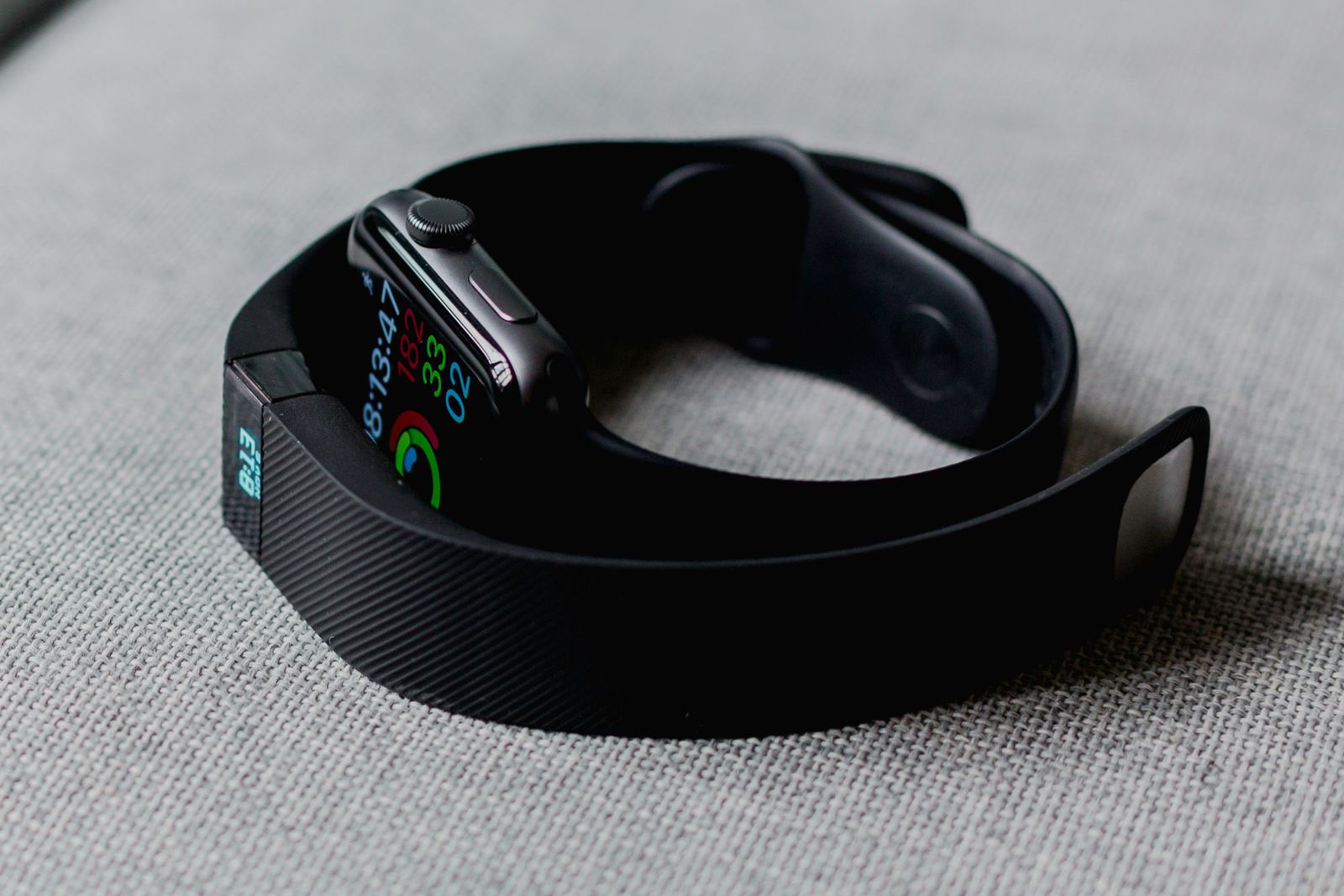
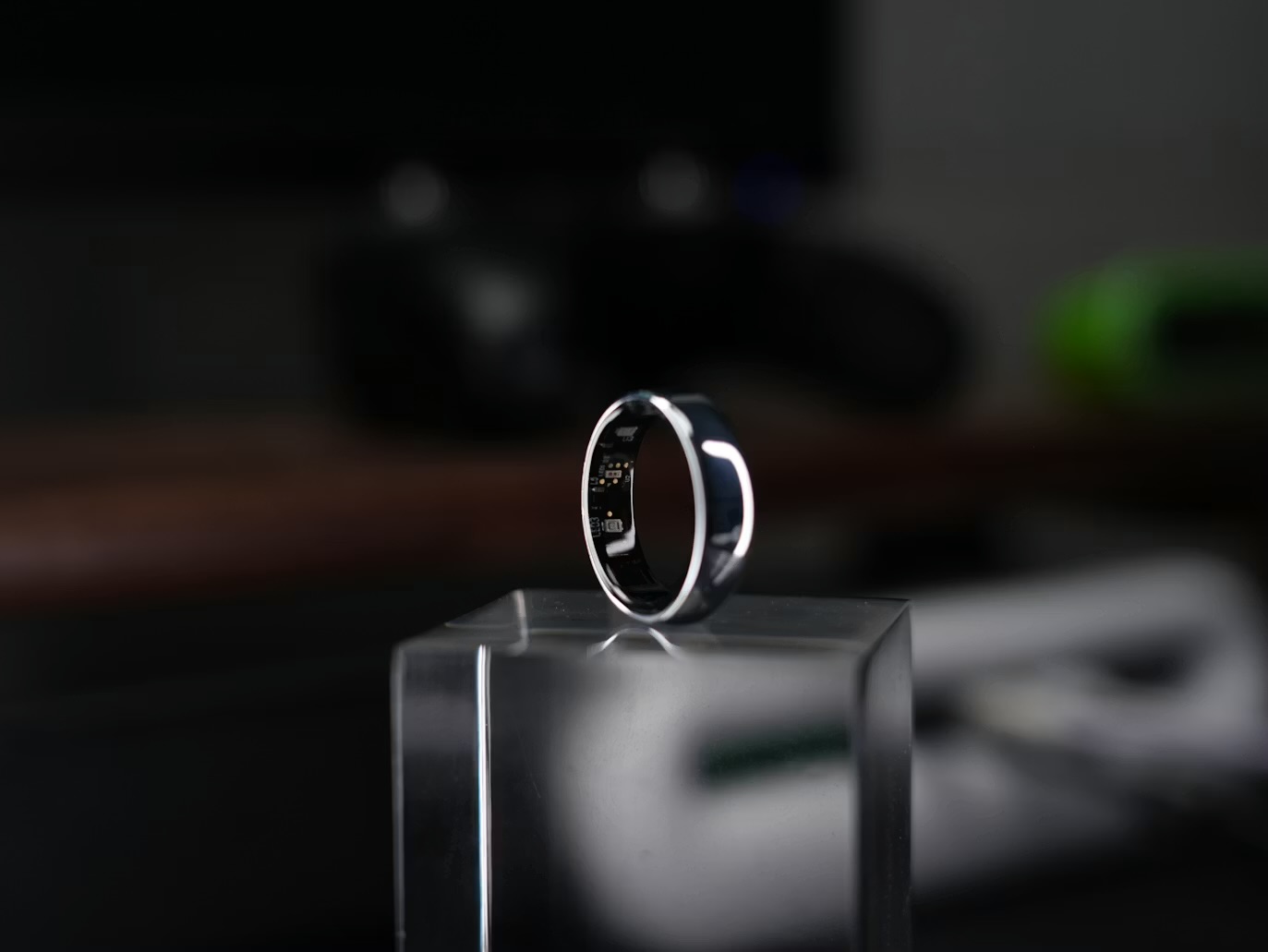
My watch has been showing me a live stress score for the better part of a year, and for two months I checked it the way other people check a football score — reflexively, dozens of times a day, whenever a meeting ran long or an email felt sharper than it needed to be. Then I noticed something that stopped me: the checking itself was raising the number. I wasn't managing my stress. I'd built a habit that manufactured it, and the wearable had no way of telling me that was what was happening.
What a stress score is actually measuring
Every major fitness wearable now shows some version of this — Whoop calls its version strain, Garmin calls it Body Battery, and my own watch just calls it "Stress," with a number from 0 to 100 that updates every few minutes. Underneath the branding, they're all doing roughly the same thing: reading heart rate variability, the tiny gaps between heartbeats, and running it through an algorithm that infers how hard your nervous system is working. It's a genuinely clever piece of engineering. It's also, and this is the part that gets lost in the marketing, an inference about your body's internal state made from a sensor clipped to your wrist — not a direct measurement of how stressed you actually are.
I started checking it like a notification count
I didn't decide to obsess over it. It crept in the way these things do — a quick glance before a call to see if I was "ready," a check mid-afternoon slump to see if the number explained why I felt flat, a look right after a difficult email to see if my body had noticed before I had. Within a few weeks I was checking it more often than I checked the time, and I'd started narrating my day around it: a good morning became one where the number stayed low, a bad one where it climbed. That's not how I've ever thought about my own state before, and it wasn't coming from anywhere except the fact that the number was sitting on my wrist, available on demand.
The morning it actually clicked
It clicked on an ordinary Tuesday. I was on a call that was going fine, glanced down out of habit, saw the score had jumped eleven points in ten minutes, and felt my chest tighten — not because of anything happening in the conversation, but because I'd just been told, by a device, that something was wrong. I spent the next ten minutes half-present, running a private diagnostic on my own body instead of listening to the person talking, and the score kept climbing the whole time, because now I actually was stressed — about the number.
"The worst ten minutes of that call weren't caused by anything the other person said. They were caused by watching a figure update in real time and believing it was telling me something true about my own body, in the moment, better than I could tell myself."
Why the number deserves more scepticism than it gets
Heart rate variability is real and it does correlate with nervous system state, but it also moves with caffeine, posture, how tightly the band is sitting that hour, room temperature, whether you're mid-sentence talking versus sitting still, and a dozen other things that have nothing to do with stress in any meaningful sense. None of the major brands publish the exact weighting of their algorithm, so a "stress score" of 62 on one wrist and one app means something slightly different from a 62 on another — and I'd never once questioned that before I started reading past the marketing page. I'd been treating a rough, proprietary estimate with the confidence I'd give a blood test, and that gap between what the number actually is and how much I trusted it is where the whole habit went wrong.
What actually replaced it
I didn't throw the watch in a drawer — the overnight data still earns its place, which is the whole case I made when I put a smart ring and a smartwatch through the same three weeks of real sleep tracking in my ring-versus-watch comparison. What changed is that I stopped treating a live daytime number as something to react to in the moment. Instead, most nights I write two or three honest sentences about what actually stressed me that day — not a score, an actual sentence with a cause attached — the same habit I built properly during a month of testing an AI journaling app. A sentence like "the client call ran long and I hadn't eaten" tells me something I can act on tomorrow. A number climbing eleven points on a call that was going fine never did.
The honest verdict: a wearable's stress score isn't fake, and the underlying signal — heart rate variability — is a real and useful thing to track over weeks. What it isn't built for is a live, moment-to-moment readout you check the way you'd check a text message, because the act of checking changes the thing it's measuring. If you're going to keep the feature at all, treat it like a weekly trend, not a running commentary on your day.
Where this leaves me now
I still wear the watch, and I still glance at the weekly stress trend on a Sunday the same way I'd check any other slow-moving number — is this week higher than last week, and can I point to why. What I don't do any more is check it mid-conversation, mid-email or mid-anything, because two months of doing exactly that taught me the checking was doing more to my afternoon than whatever the device thought it had detected. If you're relying on a wearable for more than sleep, it's worth reading how I actually use the rest of that data across every device I've tested in the full run of wearable reviews here — the pattern I keep finding is the same one: the device is usually more useful than the live number it puts in front of you every few minutes. The habit transfers to data that isn't even about you — I caught myself compulsively checking a rest-percentage graph within 48 hours of clipping a GPS tracker onto my dog's collar, for an animal who has no idea a percentage exists. It's the same reflex I finally caught myself doing with running data too — chasing my watch's VO2 max estimate after every run until two devices on the same wrist disagreed enough to break the habit.
Questions people actually ask
Are wearable stress scores accurate?
They're a reasonable estimate of heart rate variability trends over time, not a precise reading of how stressed you are in a given moment. Caffeine, posture, talking, room temperature and band fit all move the number in ways that have nothing to do with your actual stress level, and no major brand publishes the exact algorithm behind the figure it shows you.
Can checking a stress score too often make you more stressed?
In my own case, yes. Checking the number mid-conversation or mid-email turned an internal state I hadn't consciously noticed into something I was actively monitoring, which is its own kind of stress response. The checking became the trigger, not the thing it was supposed to be measuring.
Should I stop wearing a stress-tracking device altogether?
Not necessarily — the underlying heart rate variability data is genuinely useful looked at as a weekly trend, and it's part of why I still wear mine overnight for sleep tracking. What I'd stop doing is treating the live, real-time number as something to react to throughout the day.
What's a better way to track stress than checking a wearable score?
Writing one or two honest sentences most evenings about what actually felt stressful, and why, gave me something I could act on that a fluctuating number never did. It's slower and less precise-looking, but it names an actual cause instead of a figure with no context attached.