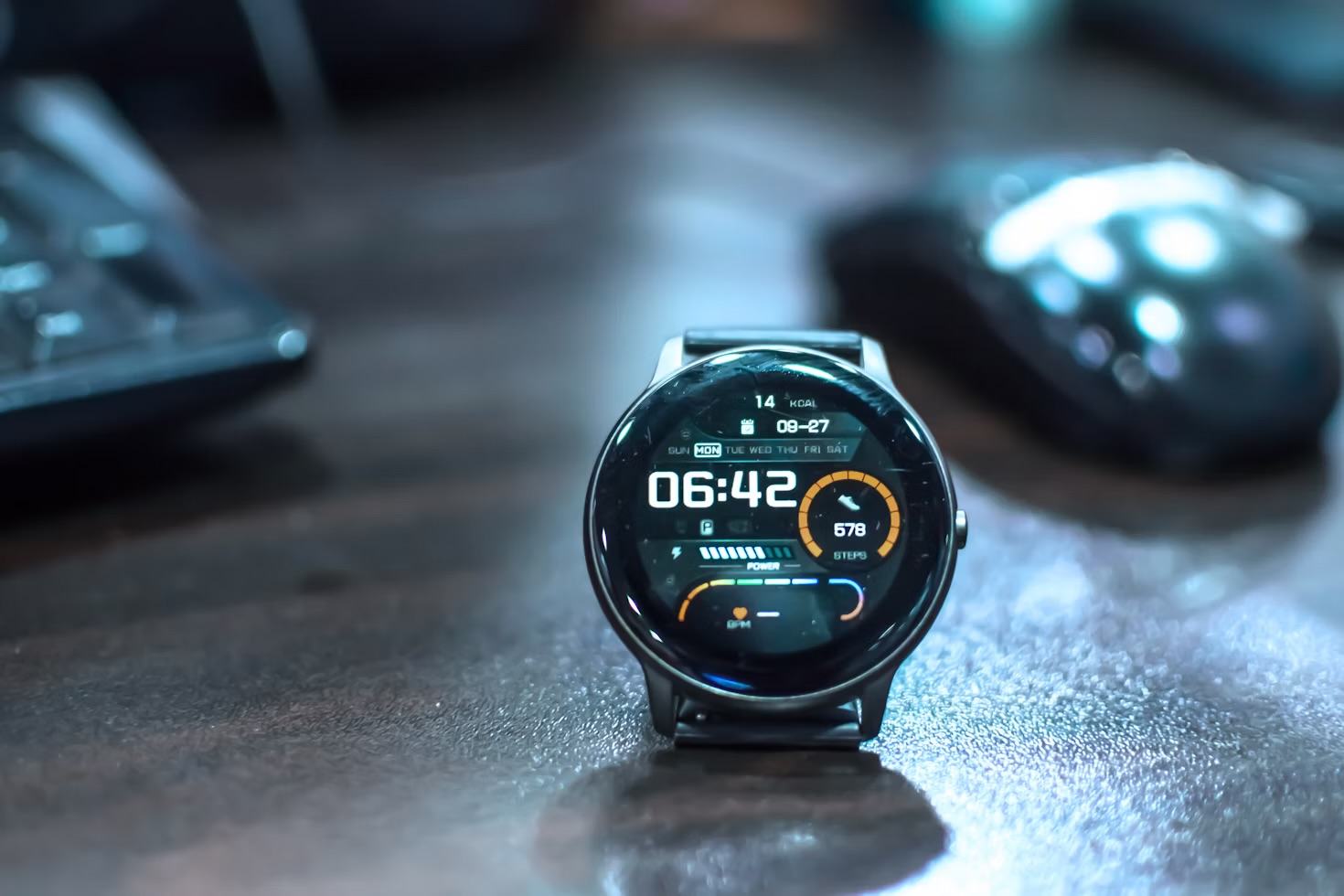
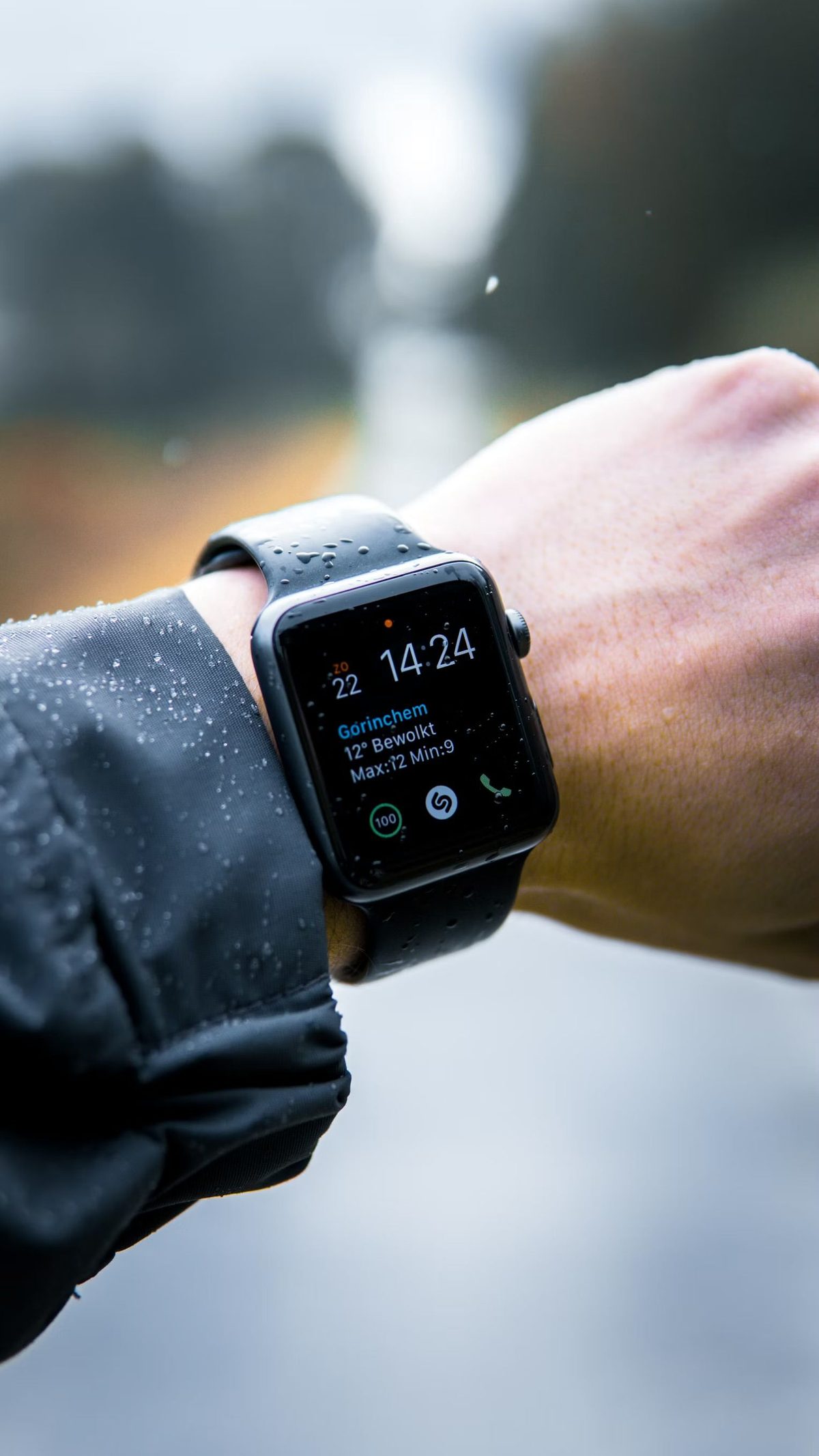
I swapped my watch for a ring for a month to see if less screen actually meant better data. It turned out to be less about the tech and more about what I stopped checking.
I've worn a fitness watch of some kind for close to eight years. So when I picked up a current-generation smart ring — no screen, no buttons, just a titanium band that tracks sleep, readiness, and activity in the background — I expected to miss the watch within a week. I didn't put the watch back on once in 30 days. Here's what actually happened.
This isn't a spec sheet comparison. It's what daily life with a ring instead of a watch actually feels like, including the parts nobody puts in the marketing copy. If you would rather skip to the short version, the five wearable features I actually use every day is where years of this eventually landed.
The setup: sizing is the whole game
Unlike a watch, you can't just strap a ring on and adjust it later. Getting the size right matters more than anything else in this category, because a ring that's even slightly loose will slide around your knuckle at night and throw off every sensor reading. I ordered a sizing kit first — a set of plastic dummy rings to wear for a couple of days before committing — and I'm glad I did. My first instinct size was too tight by the time evening came and my fingers had swollen slightly from the day's heat.
Once the actual ring arrived, setup was genuinely five minutes: pair with the app, answer a few baseline questions about sleep and activity habits, and wear it for two nights before it starts giving you a real readiness score instead of a placeholder one. It's a far easier thing to live with than the other body-worn gadget I tested that year — an AI pendant I wore for 30 days.
Where it genuinely earned its keep
Sleep tracking got noticeably more accurate than my watch ever managed. A ring sits against skin with far more consistent contact than a watch on a loose wrist strap, and it showed. Sleep stage breakdowns — deep, REM, light — matched how I actually felt in the morning far more often than my old watch's guesses did, which were wrong often enough that I'd stopped trusting them.
I forgot I was wearing it, which was the actual point. No screen means no glancing at notifications, no haptic buzz, nothing to check mid-task. After the first few days the ring disappeared the way a wedding band does — present, but not asking for attention. That absence of a screen turned out to matter more to my day-to-day mood than any single metric it tracked.
Battery life stopped being a chore. Four to six days per charge versus the daily-or-every-other-day routine I'd built around my watch. That difference alone removed a small recurring friction point I hadn't noticed I'd been tolerating for years.
The readiness score changed how I planned mornings. On low-readiness days, flagged by poor sleep or high overnight strain, I actually backed off training instead of pushing through out of habit. That's the one metric that translated directly into a behaviour change rather than just being an interesting number.
Living with it 24/7
I showered, swam, and slept in it without a second thought — that's the point of a titanium band rated for daily wear. The only adjustment period was mechanical: I bang rings against door frames and gym equipment in a way I never did with a watch on my wrist, and the finish picked up a few light scuffs in the first week that a watch case would have hidden. Typing on a keyboard all day took about three days to stop noticing entirely.
Where it fell short
No real-time feedback during a workout. This is the trade-off nobody selling these rings likes to lead with. There's no screen to glance at for pace, heart rate, or splits mid-run. You get everything after the fact in the app, which is fine for recovery and sleep but a real downgrade if you actually train off live numbers.
The subscription is the real price tag. The ring itself is a one-time purchase, but most of the useful insight — trends, deeper analysis, comparisons over time — sits behind a monthly membership. Skip it and you're left with a much thinner set of daily numbers than the marketing implies.
Sizing drift is a real, if minor, annoyance. Weight changes, temperature, even how much salt I'd eaten the day before all nudged the fit slightly. Nothing dramatic, but it's a category where "one size, forever" isn't quite true the way it is with a watch strap you can adjust yourself.
"I didn't switch to a ring because it does more than a watch. I switched because it asks less of me, and that turned out to be worth more."
How it compares to wearing a fitness watch
The honest comparison isn't feature-for-feature — it's what each device is optimising for. A watch is built to be glanced at: notifications, live metrics, apps. A ring is built to be forgotten: passive collection, no interruptions, longer battery life. If your training depends on live pace or heart-rate zones, a watch still wins outright. If what you actually want is better sleep and recovery data without another screen pulling at your attention, the ring is doing a job the watch never quite managed.
Quick verdict: Worth it if sleep and recovery are your main tracking priority and you don't need live metrics mid-workout. Skip it if you train by real-time numbers — pace, heart-rate zones, splits — because that data simply isn't there until after the fact.
What I'd tell a friend before they buy one
Order the sizing kit and actually wear the dummy rings for 48 hours before you commit — this is the step people skip and regret. Budget for the subscription as part of the real cost, not an optional extra, because the free tier alone won't tell you much. And go in clear on what you're trading: you're giving up live, glanceable data in exchange for better passive recovery tracking and one less screen in your life. For me, a month in, that trade was worth making. I still haven't put the watch back on.
If you want the honest verdict on the next thing I test before it hits the site, join the Brite newsletter — no fluff, just what's actually worth your money.
A ring tells you how you slept. Changing how you sleep took something duller: getting the phone out of the bedroom, which no wearable would have suggested.
If recovery scores are the reason you are considering one, that is a narrower question than the ring itself, and I answered it directly by wearing Whoop and Oura together for six weeks.
A ring answers a much narrower question than a watch does. If you want the other extreme of the same trade-off, thirty days with the Apple Watch Ultra 3 as a non-athlete covers what happens when the device is built for people far more outdoorsy than me.
Wrist and finger are not the only places to put a wearable. The Ray-Ban Meta glasses sit on your face and collect almost nothing, which turns out to be a genuinely different proposition. And if sleep is the reason you are considering a ring at all, I put the ring and the watch head to head on exactly that.
If even a ring feels like more than you want to spend, I went further down that same price ladder and wore a £25 fitness band for 30 days instead of my Apple Watch to see exactly where a cheap tracker starts cutting corners.
Questions people actually ask
Is a smart ring better than a smartwatch?
It depends what you're optimising for. A watch is built to be glanced at — live pace, heart-rate zones, notifications — and if you train off live numbers it still wins outright. A ring is built to be forgotten: passive sleep and recovery tracking, longer battery life, and no screen pulling at your attention, which after 30 days is why I never put my watch back on.
How accurate is smart ring sleep tracking?
Noticeably better than my watch ever managed, in my experience. A ring sits against the skin with far more consistent contact than a watch on a loose strap, and the sleep stage breakdowns matched how I actually felt in the morning far more often than my old watch's guesses did.
Do smart rings need a subscription?
The ring itself is a one-time purchase, but most of the useful insight — trends, deeper analysis, comparisons over time — sits behind a monthly membership. Budget for the subscription as part of the real cost rather than an optional extra, because the free tier alone won't tell you much.
How do you get the right smart ring size?
Order the sizing kit and actually wear the plastic dummy rings for about 48 hours before committing — fingers swell through the day, and my first instinct size was too tight by evening. Getting this right matters more than anything else, because a slightly loose ring slides at night and throws off every sensor reading.
How long does a smart ring last on one charge?
Most current rings land in the five-to-eight day range, against roughly eighteen to forty-eight hours for a typical smartwatch, and that gap matters more than it sounds. Sleep tracking is only useful if it is continuous, and a watch needing daily charging forces a choice between wearing it overnight and keeping it charged. A ring's small battery is also its advantage: it tops up in the time it takes to shower, so you never plan around it. That is the practical difference — not the specification, but that you stop thinking about charging at all.
Is a smart ring comfortable to wear overnight?
Far more so than a watch, and that is the real reason the data ends up better. A ring has no screen, no buzzing, and nothing pressing into your wrist when you sleep on your side, so it becomes a wear-and-forget device in a way a smartwatch never quite manages. The trade-offs are physical rather than digital: finger size changes with heat, cold and salt, so a ring that fits in the evening can feel tight on a hot night, and it will collect scratches from anything you grip — a barbell, a steering wheel, a saucepan handle. Neither stops you wearing it, but both are worth knowing before you buy.