I clipped a small AI recorder to my shirt for a month and let it listen to everything. What I got back wasn't a diary — it was an uncomfortably accurate mirror of how I actually spend my days.
I've tried plenty of AI gadgets that promised to "capture my life," and most of them ended up in a drawer within a week because the output wasn't worth the friction. An AI pendant is a different kind of promise: no app to open, no button to remember to press for the important bit, just a small clip-on device that listens continuously and turns your day into searchable text and summaries afterwards.
I wore one to meetings, dinners, dog walks, and one deeply regrettable argument, for 30 straight days. Here's what actually happened.
The setup: smaller than I expected, weirder than I expected
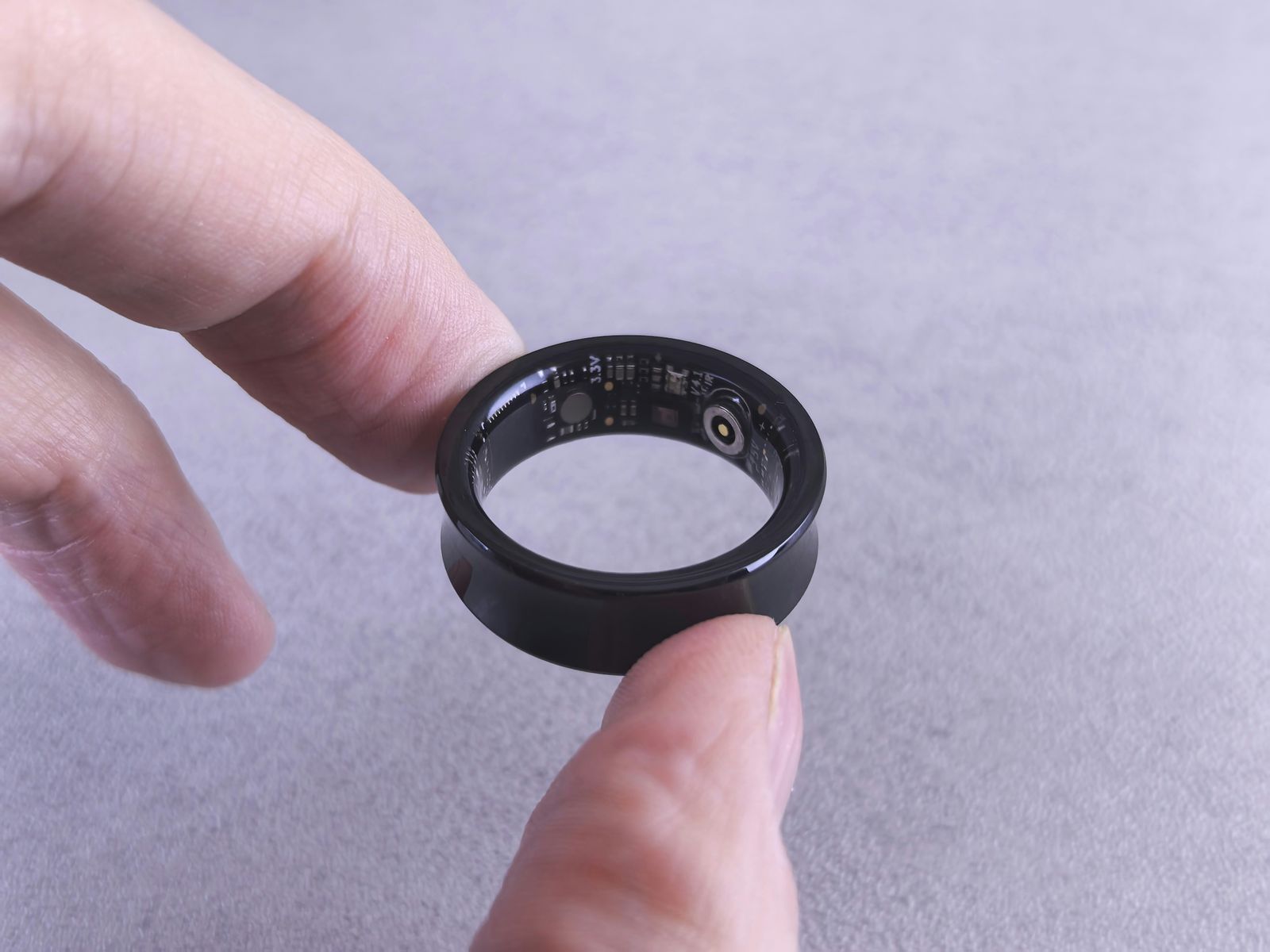
The pendant itself is about the size of a large coin, clips magnetically to a shirt or collar, and pairs to a phone app over Bluetooth. Battery life is genuinely the standout spec — roughly a full day of near-continuous listening on one charge, which matters far more than any transcription feature once you're actually wearing the thing daily.
What's odd isn't the hardware. It's the etiquette. There's no obvious way to tell someone mid-conversation "by the way, this is recording," without it becoming the whole topic of conversation. I settled into mentioning it upfront in any meeting or one-on-one, and skipping it entirely for passing chats — more on why that matters below.
Where it earned its keep
Meeting notes stopped being a chore. This was the single clearest win. Every work call got an automatic transcript plus an AI-generated summary with action items, and I stopped taking notes altogether. Twice I went back to check an exact figure someone mentioned in passing and found it word for word, which no scribbled notebook has ever managed.
It caught the things I'd normally forget by the walk back to my desk. A throwaway idea mentioned in a hallway conversation, a book recommendation from a friend, an address someone read out once — all of it sat in a searchable transcript instead of evaporating within the hour.
The daily summary became a strange kind of accountability mirror. Each evening the app produced a rough breakdown of how much of the day was meetings versus focused work versus, frankly, scrolling and chatting. Seeing "3.5 hours in reactive conversation" written down in black and white did more to change my afternoon habits than any productivity app ever has.
"I didn't need the AI to tell me anything new about my day. I needed it to stop me from lying to myself about how I'd spent it."
Where it got genuinely uncomfortable
This is the section I can't skip past for the sake of a tidy review. Wearing a device that listens by default changes how you move through a day, and not always for the better.
- The consent problem never fully resolved. Family dinners and casual pub conversations felt different once I started thinking about who else was being recorded without a clear way to ask. I ended up taking it off for anything genuinely personal, which somewhat defeats the "capture everything" pitch.
- It's an honesty amplifier you didn't ask for. Reading back an exact transcript of an argument is a very different experience to remembering your own softened version of it. Useful for accountability. Not always comfortable.
- Noisy environments make it nearly useless. Restaurants, cars with the radio on, and anywhere with background music produced transcripts that were more guesswork than record.
The transcription quality, honestly assessed
One-on-one conversations in a quiet room came back close to perfect, speaker labels included. Group conversations were noticeably worse — the AI regularly mixed up who said what once more than three people were talking, and cross-talk vanished into garbled fragments more often than I'd like. If your use case is one-to-one meetings and personal voice notes, this is close to reliable. If it's group brainstorms or a busy office, treat the transcript as a rough draft you'll need to sanity-check, not a court record.
Quick verdict: Genuinely useful for anyone whose day is full of one-on-one meetings they currently take notes in badly. Skip it if most of your conversations happen in groups, in noisy places, or with people who haven't agreed to be recorded — the friction and the transcription quality both work against you there.
Where the data actually goes
Everything gets uploaded to the manufacturer's cloud for processing — recordings aren't kept locally on the device itself, and there's no offline mode worth relying on. You can delete individual recordings from the app, and there's a scheduled auto-delete option after a set number of days, which I turned on after week one once I realised how much sensitive material was quietly accumulating. If a company handling a rolling audio archive of your daily conversations isn't something you're comfortable with, this is the deal-breaker section, not the transcription accuracy one.
I also compared it directly against just using my phone's built-in voice memo app for a week of meetings. The phone app is free and the audio quality was arguably cleaner, but I had to remember to hit record every single time, and I still had to transcribe and summarise everything myself afterwards. The pendant's entire value proposition is removing that remembering-to-start step and the manual write-up — which is either genuinely worth paying for or completely pointless, depending entirely on how much your day actually involves one-on-one conversations worth keeping.
What I'd tell a friend before they buy one
Be upfront with the people around you before you clip it on for the first time — the awkwardness of explaining it after the fact is worse than mentioning it before. Expect the daily summary to tell you something slightly unflattering about how your time actually goes, and decide in advance that you want to know that. And don't buy it expecting a life-logging miracle — buy it for the one job it does brilliantly, which is turning one-on-one conversations into a searchable, accurate record you'll actually use again.
If the always-listening design is the part that puts you off, it's worth knowing there's a genuinely different philosophy on the market — I later spent months with Ray-Ban Meta glasses, where nothing is recorded by default and the AI only wakes on command. It solves a different problem, but it's the more comfortable trade-off for anyone the pendant's consent question never settled.
If you want the honest verdict on the next thing I test before it hits the site, join the Brite newsletter — no fluff, just what's actually worth your money.
Questions people actually ask
Are AI pendants always listening?
Yes — that's the whole design. Mine listened near-continuously for roughly a full day per charge, and everything was uploaded to the manufacturer's cloud for processing, with no offline mode worth relying on. I turned on the scheduled auto-delete after week one once I realised how much sensitive material was quietly accumulating.
How accurate is an AI pendant's transcription?
One-on-one conversations in a quiet room came back close to perfect, speaker labels included. Group conversations with more than three people were noticeably worse, and noisy places — restaurants, cars with the radio on — produced transcripts that were more guesswork than record. Treat anything beyond one-to-one as a rough draft you'll need to check.
Do you have to tell people an AI pendant is recording them?
Legally it depends where you are, so check your local recording laws — but in practice I'd say yes regardless. I mentioned it upfront in every meeting and took it off for anything genuinely personal, because the awkwardness of explaining it afterwards is worse than mentioning it before. The consent question never fully resolved for me in 30 days.
Is an AI pendant worth buying in 2026?
Worth it if your day is full of one-on-one meetings you currently take notes in badly — automatic transcripts and action items were the single clearest win of my month. Skip it if most of your conversations happen in groups, noisy places, or with people who haven't agreed to be recorded.