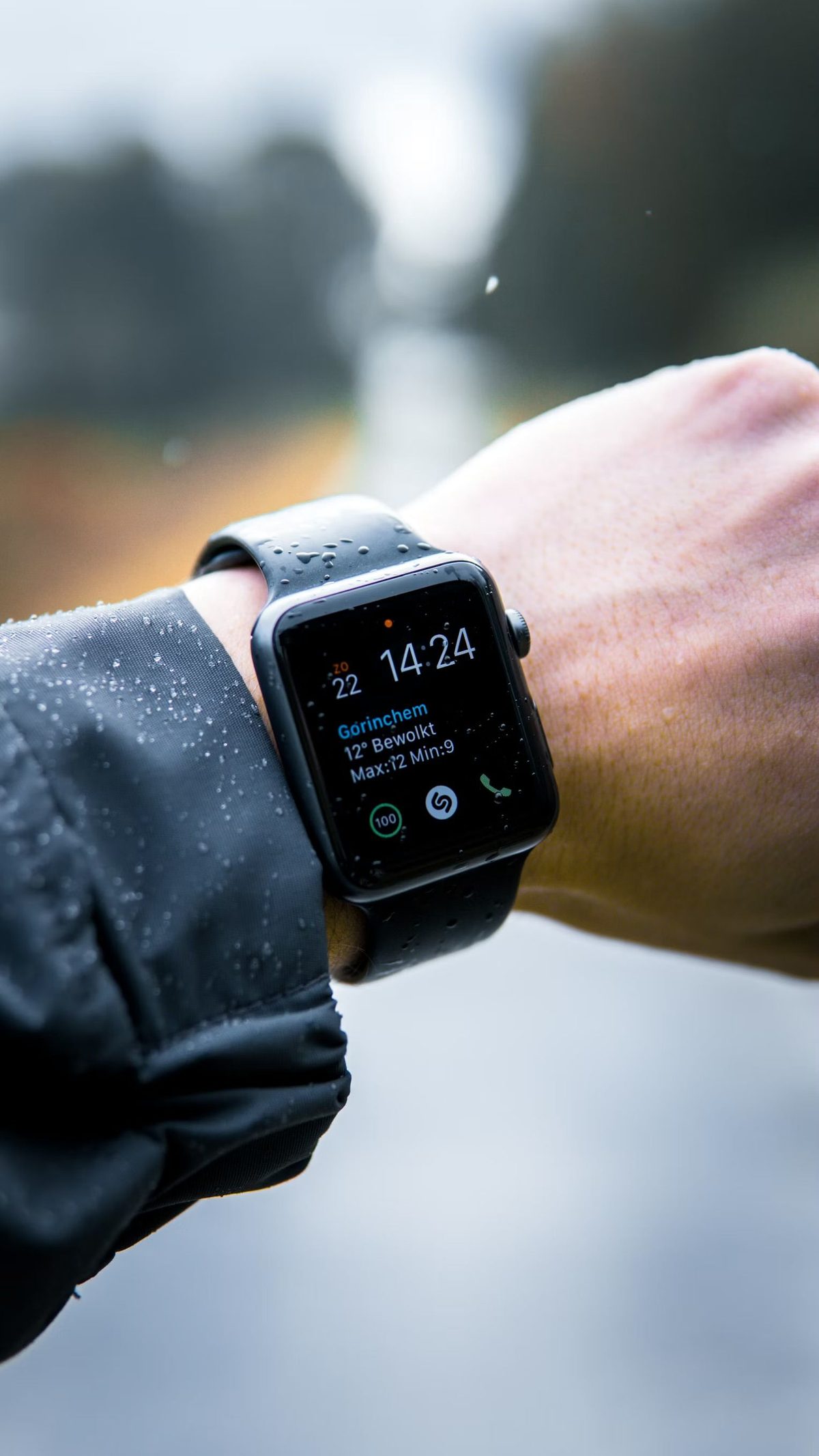
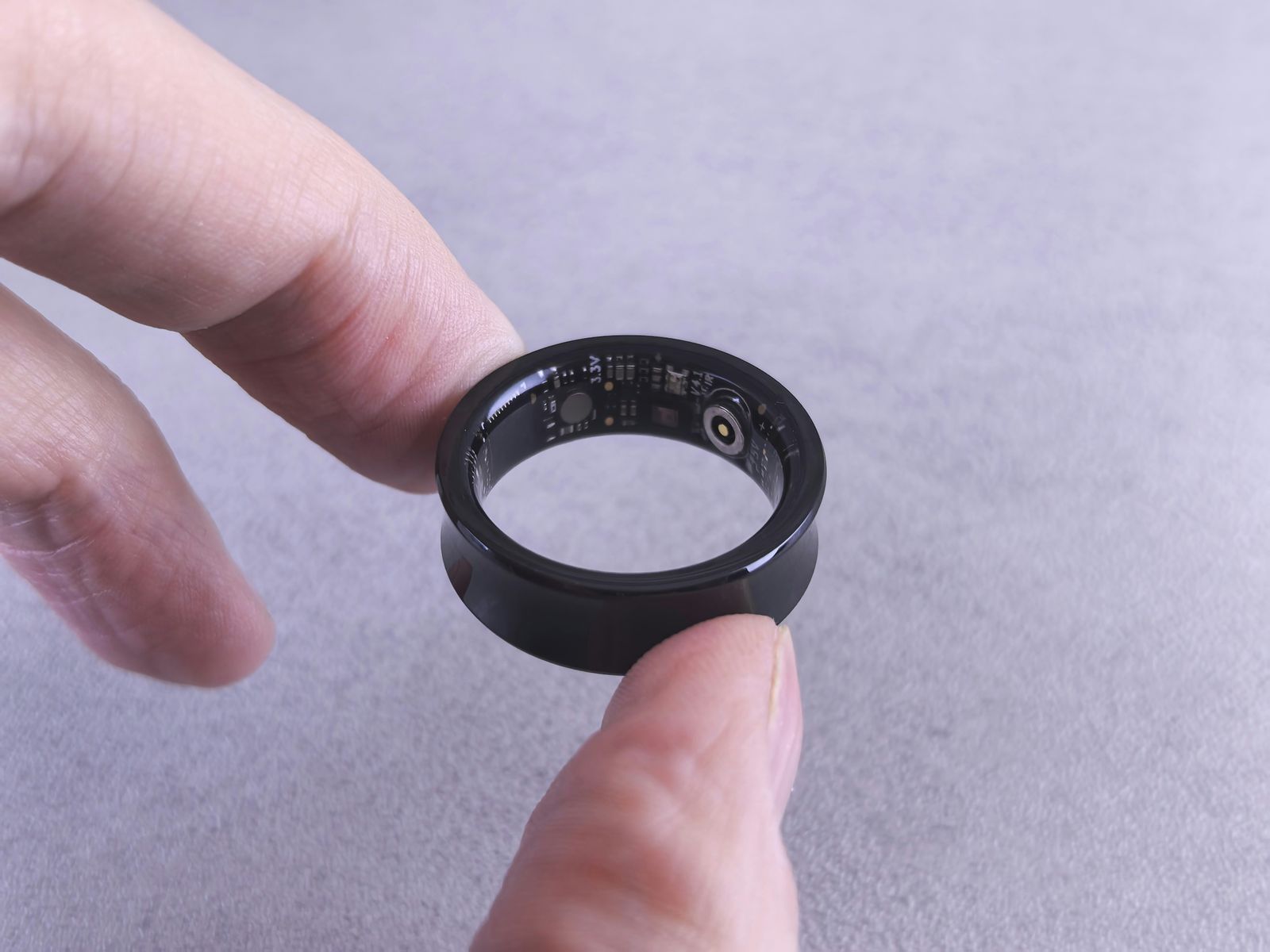
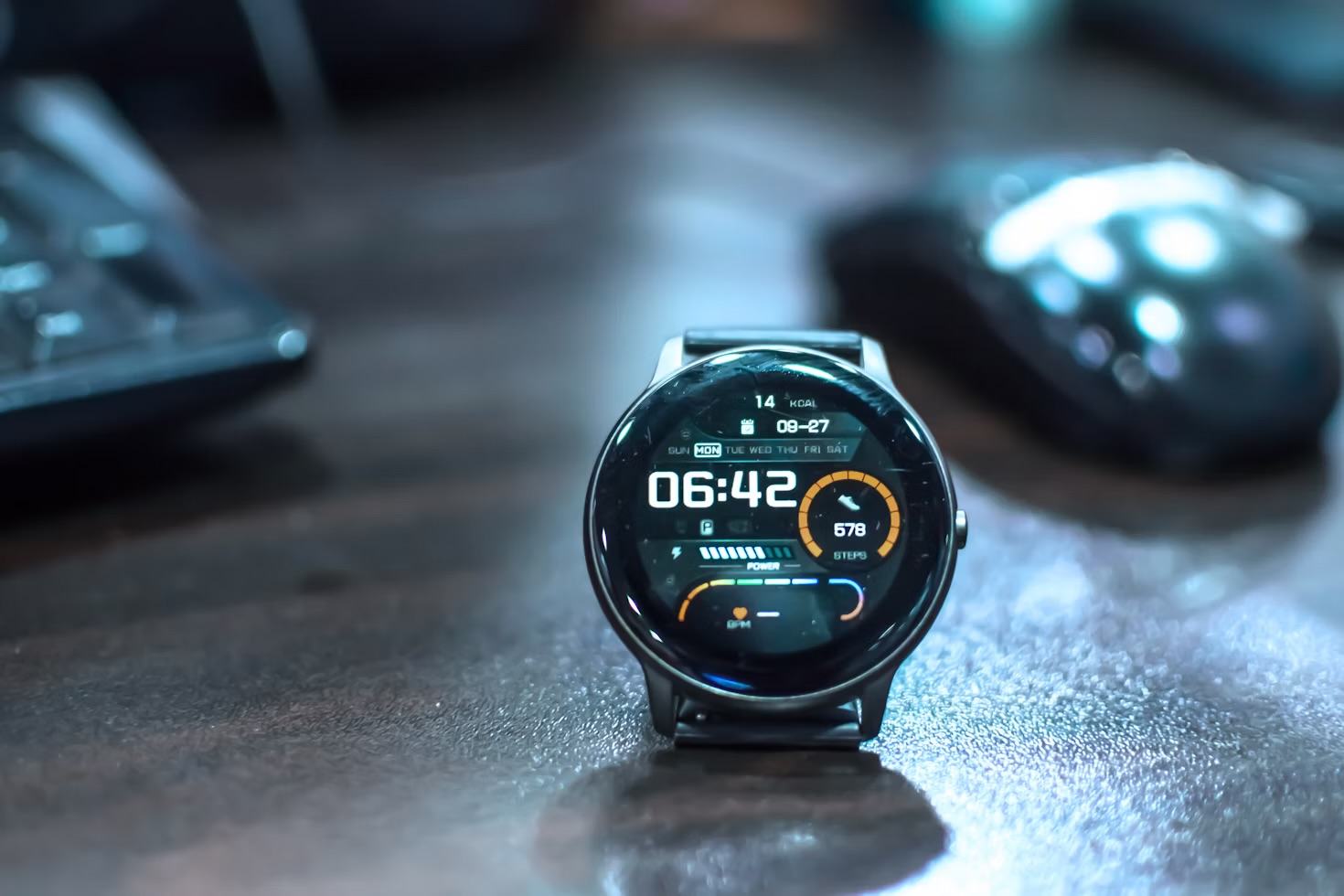
For about six years I've treated the little closing ring on my wrist as a verdict on the day. Hit 10,000 and I'd earned the evening off; miss it and I'd feel a small, specific guilt I never bothered to interrogate. I finally interrogated it. The number doesn't hold up, and once you know why, you look at every fitness tracker on the market differently.
Here's the thing that made me actually dig into this: I had two genuinely active days back to back last month. One was a long, flat walk along the coast with my dog — three hours, dead easy, mostly chatting on the phone. The other was ninety minutes on a bike doing hill intervals until my legs gave out, followed by a heavy set of the kind of strength work that leaves you wrecked the next morning. My watch told me the walk was the better day. It wasn't close. The walk cleared 14,000 steps and lit up every ring on the display. The bike session barely registered 900 steps and got logged as practically sedentary. That's the moment the myth actually broke for me, not in theory but on my own wrist.
Where the number actually came from
I'd always assumed 10,000 was a figure some exercise physiologist arrived at after careful study — the amount of daily movement that produces a measurably better outcome than 9,000 or 11,000. It isn't. It traces back to a 1960s Japanese pedometer called the manpo-kei, which translates roughly to "10,000-step meter." It was a catchy product name chosen because the character for "10,000" looked like a person walking, and because it was a round number that sold pedometers. Decades later, when the first wave of fitness trackers needed a default daily goal that would mean something to a mass consumer audience, that marketing figure got quietly adopted as a health target — no clinical trial required, because none had produced it in the first place. Worth remembering if you are buying kit to chase the figure: an under-desk walking pad will pile on steps all day without asking much of you at all.
That doesn't mean walking more is bad advice. It's obviously good advice, in the same vague way that "eat more vegetables" is good advice. What it means is that the specific number stamped on your watch face every single day, competing for your attention against every other metric, was never derived from your physiology at all. It was derived from a 1965 ad campaign.
What the ring actually measures — and what it can't
Once you know that, the next question is obvious: what is my watch actually counting, and what is it blind to? A step counter is built to detect a specific repeating motion pattern at the wrist or hip — the accelerometer signature of one foot in front of the other. It's genuinely good at that one job. It is structurally incapable of crediting anything that doesn't produce that motion pattern: cycling, swimming, rowing, most strength training, carrying a heavy box up a flight of stairs, gardening on your knees, or a physically demanding job spent mostly standing and lifting rather than walking.
My hill-interval ride was, by any physiological measure that matters — heart rate, exertion, calories, next-day soreness — a considerably harder session than the coastal walk. My watch's step count had no way of knowing that, because it wasn't designed to answer that question. It was designed to count a specific gait pattern, and it did that accurately. The problem was never the sensor. The problem was me, treating a narrow, single-purpose metric as if it were a complete verdict on how active I'd been.
"The step count isn't wrong. It's just answering a much narrower question than the one I'd been asking of it for six years."
What I actually check now instead
I haven't turned off the step ring — it's still a decent nudge on a lazy desk day, and there's real value in a simple, low-friction number that gets you up and moving. But I stopped treating it as the day's scoreboard, and started looking at three things together instead:
- Active minutes / exercise minutes, not step count — most modern trackers separate "time spent in an elevated heart rate zone" from raw steps. That metric credited the bike session properly, where steps never could.
- Resting heart rate and HRV trend over the week — a far more honest read on whether my body considers the last few days' load recovered or accumulating, regardless of what produced it.
- How the session actually felt, logged in one line — the least techy metric on this list and, six weeks in, still the one that's caught the most cases where the numbers looked fine but I was clearly running on empty.
The honest verdict: 10,000 steps isn't a scientifically derived health threshold, it's a fifty-year-old pedometer slogan that fitness tech inherited because it needed a default number and that one already had brand recognition. It's not useless — walking is one of the best low-cost habits going, and a step goal is a fine reason to get up from a desk. But if your tracker's step ring is the only thing you check to judge whether a day was "active enough," you're letting a single-purpose motion sensor grade workouts it was never built to see.
The one change worth making
You don't need to abandon your step goal. You just need to stop treating a closed ring as proof of a good day and an open one as proof of a bad one, especially on the days when you did something your wrist genuinely can't count — a swim, a lifting session, an hour on a bike. Check the metric that actually matches what you did, and let the step count do the one job it's honestly good at: getting you off the sofa on the days you'd otherwise talk yourself out of moving at all.
If you want the next honest take before it goes live, join the Brite newsletter — no fluff, just what's actually worth your money.
Steps were never the only number I was over-reading. A month on a smart scale taught me the same lesson about daily weight, and building a training plan with AI finally replaced the round-number targets with something structured.
The step count was not the only number I had quietly taken on trust. The screen-time app myth went the same way once I actually sat down and tested it. So did the calorie count on the exact same wrist — the number my watch gives me after a weights session turned out to be off by even more than the step count ever was.
Questions people actually ask
Is 10,000 steps a day scientifically proven?
No. The figure traces back to a 1960s Japanese pedometer called the manpo-kei — “10,000-step meter” — a marketing name, not a clinical finding. Fitness trackers later adopted it as a default goal because it was memorable, not because research produced it.
Where did the 10,000 steps goal come from?
From a 1965 Japanese pedometer ad campaign. The character for “10,000” resembles a person walking, the number was catchy, and decades later fitness trackers inherited it as their default daily target.
How many steps a day do you actually need?
There's no magic number. Walking more is genuinely good for you and benefits build well below 10,000 steps — the mistake is treating one round number as a verdict on your day rather than a nudge to move more.
Do step counters track cycling or strength training?
Barely. In my own test, ninety minutes of hill intervals on a bike plus a heavy strength session logged about 900 steps and read as sedentary, while an easy three-hour walk lit up every ring. Judge those workouts by the metrics built for them, not the step count.