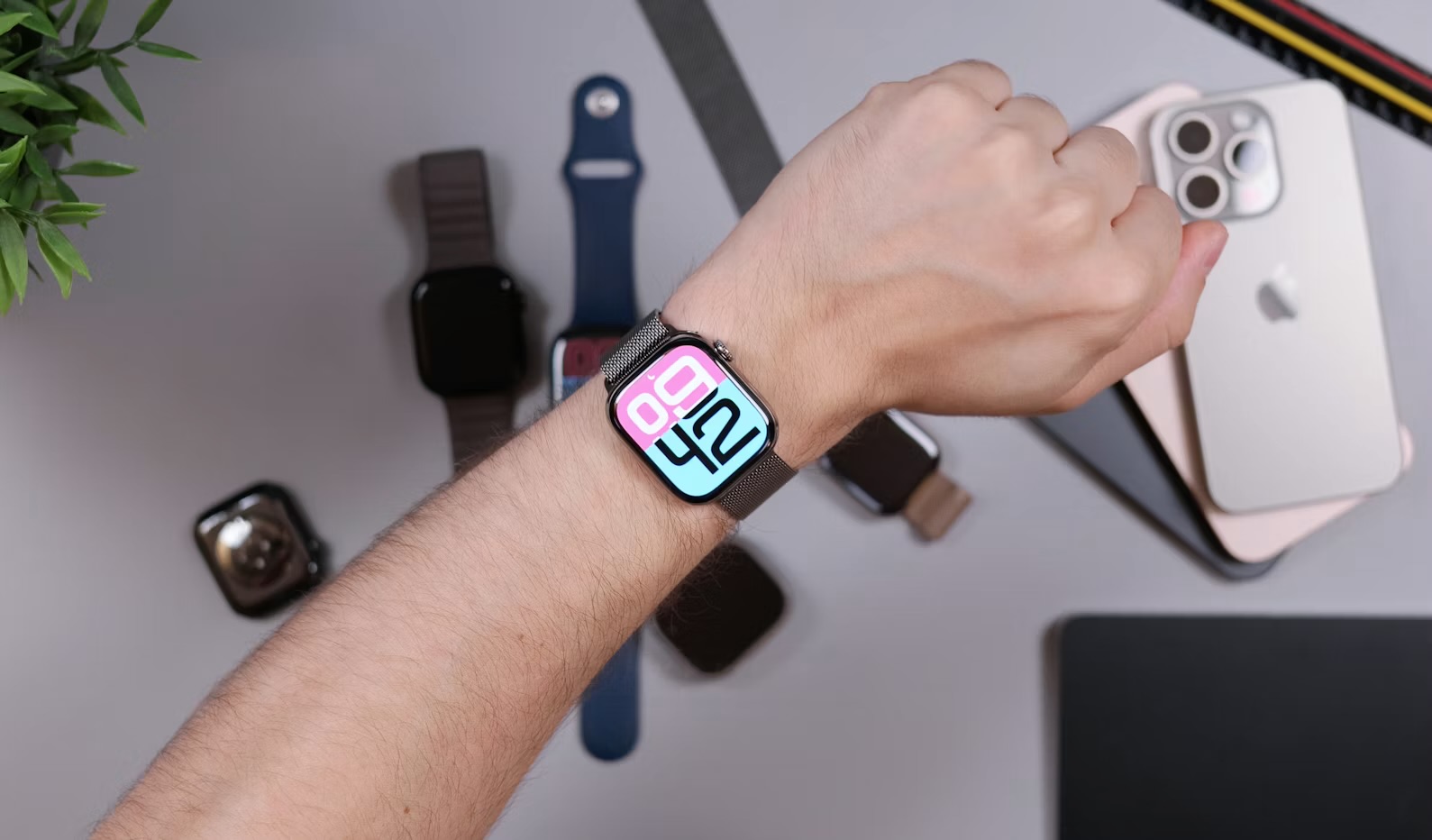
For three years I've trusted the number on my wrist without really asking whether it was true. My smartwatch tells me my heart rate is 142bpm halfway through a run, I adjust my pace to it, and I move on — because a device this expensive surely knows what it's measuring. Then I strapped an actual chest strap on underneath it for two weeks and found out exactly how much of that trust was earned, and how much was just habit.
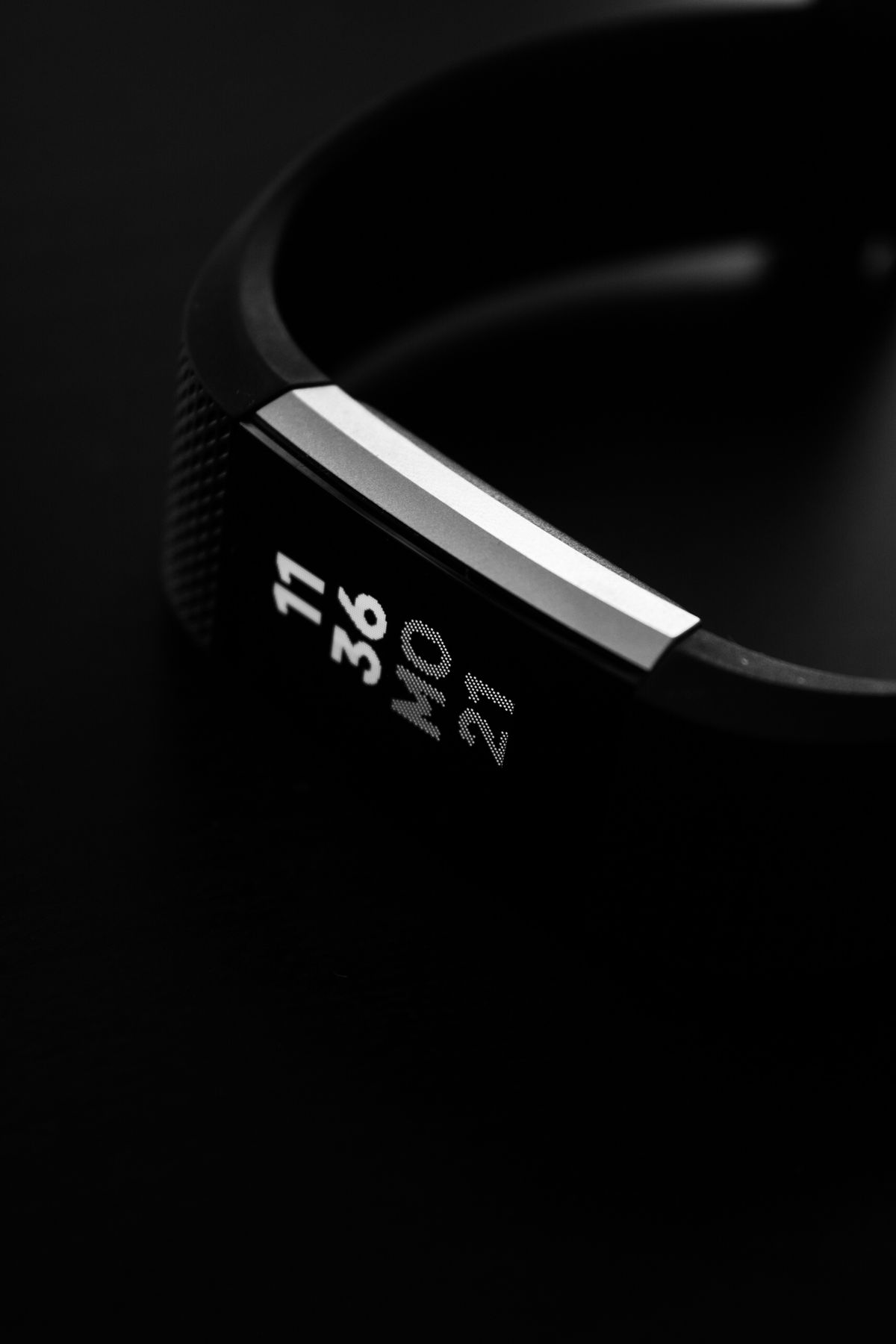
This wasn't a lab study — I don't have one, and I'm not a cardiologist. What I had was a Polar H10 chest strap, the same optical smartwatch I've worn on and off for years, and every workout over fourteen days logged on both at once, side by side, second by second.
Why a chest strap is the benchmark in the first place
A chest strap reads your heart's actual electrical signal, the same principle a hospital ECG uses — it's measuring the thing that's actually happening. A smartwatch reads heart rate optically: a light shines into the skin on your wrist, and a sensor watches how the reflection changes as blood pulses through the capillaries underneath. It's a clever workaround for not being able to wire electrodes to your chest all day, but it's an indirect measurement, and indirect measurements have more places to go wrong.
That gap between "measuring the signal" and "measuring a reflection of the signal" is the entire story of this test. It isn't that the watch is bad technology — it's that it's answering a harder question than the strap is, using a weaker signal.
What actually happened at rest and on a steady run
For anything low-intensity and steady, the two devices agreed almost embarrassingly well. Resting heart rate matched within a beat or two most mornings, and on a steady 5k jog at a consistent pace, the watch tracked within 1-3bpm of the chest strap for nearly the whole run.
The number that actually surprised me: across six steady-state sessions, the average gap between the two devices was under 2bpm. If steady cardio is all you do, the "smartwatches are inaccurate" claim barely holds up.
Where the gap opened up, and it wasn't subtle
Interval sessions were a different story entirely. During 30-second sprints followed by recovery jogs, the watch consistently lagged behind reality by several seconds and then overshot on the way back down, at one point reporting 128bpm while the chest strap read 149bpm mid-sprint — a 21bpm gap that would meaningfully change which "zone" you think you're training in. Weight training was worse again: bent-over rows and anything involving wrist flexion sent the watch's reading swinging wildly, sometimes dropping to a resting-looking number mid-set while my actual heart rate was clearly elevated.
The pattern makes sense once you know how the sensor works. Wrist movement, a loose band, cold skin and even dark tattoos can all disrupt the optical signal, and intervals and lifting are exactly the activities that combine motion with the kind of effort that makes accuracy matter most. It's the same shape of problem I ran into when I tested my tracker's calorie counts against reality — the wrist is a genuinely difficult place to measure anything precisely, and the marketing rarely says so.
The one fix that actually helped
Tightening the band one notch and moving the watch slightly higher up my wrist — off the wrist bone, onto flatter skin — cut the interval-session gap by roughly half. It didn't close it completely, but it was a genuinely useful, free fix that took ten seconds. If your watch is the standard loose "everyday wear" fit, it's giving the sensor a worse signal than it needs to.
I'd also assumed my budget fitness band would be even less reliable than the smartwatch, since it's a fraction of the price. When I actually wore a £25 fitness band for 30 days instead of my Apple Watch, the heart rate readings during steady activity were surprisingly close — the cheap sensor and the expensive one clearly use similar underlying hardware, and the price difference buys features, not necessarily accuracy.
So is the smartwatch lying to me?
Not lying, exactly — just answering a different, harder question than the chest strap, and doing it worse the moment you ask something demanding of it. For daily steps, resting heart rate trends and steady cardio, I now trust the number on my wrist about as much as I did before this started. For anything where the exact number drives a real decision — training in a specific zone, chasing a heart-rate-based interval target — I no longer take it at face value, and neither should you.
It's the same lesson I keep relearning from every wearable metric I've actually gone and checked, from the VO2 max score I eventually stopped chasing to the step count before it. The number on the screen is a starting point for a conversation with your own experience, not a verdict. If you're building any kind of training routine around wearable data at all, my full run of 30-day wearable tests and comparisons is the honest version of what each device actually gets right and wrong, rather than what the box promises.
If you want the next test before it goes anywhere else, join the newsletter — I've got a chest strap now, and I'm not done checking things against it.
Questions people actually ask
Are smartwatch heart rate monitors accurate?
Close enough at rest and during steady, low-intensity cardio, but noticeably less accurate during intervals, weight training or anything with wrist movement. Against a chest strap over two weeks, my smartwatch agreed within 1-3bpm on a steady jog and drifted by 15-20bpm during interval sprints and lifting sets.
Why is my heart rate wrong on my smartwatch during exercise?
Wrist-based optical sensors read blood flow through skin using light, and that signal is easily disrupted by wrist movement, a loose band, cold skin or dark tattoos. A chest strap reads the heart's actual electrical signal directly, which is why it stays accurate through exactly the movements that confuse an optical sensor.
Is a chest strap actually more accurate than a smartwatch?
Yes, and it isn't close for anything but steady-state activity. Chest straps use ECG-style electrical sensing, the same principle as a hospital heart monitor, so they don't struggle with the motion artefacts that throw off wrist-based optical sensors during intervals, lifting or cycling.
Does tightening my smartwatch band improve heart rate accuracy?
Yes, measurably. Moving my watch band up my wrist slightly and tightening it one notch cut the gap against my chest strap by roughly half during interval sessions, though it never fully closed it. A snug fit gives the optical sensor a steadier read; a loose one lets it slide and lose contact mid-rep.
Should I buy a chest strap heart rate monitor?
Only if you train by heart-rate zones for a sport where precision actually changes your training decisions, like structured interval running or cycling. For general fitness tracking, daily steps and resting heart rate trends, a smartwatch is accurate enough and far more convenient to wear all day.