Running this site means most of my day happens in the same spot: hunched over a laptop, elbows too low, telling myself I'll sort the chair out later. A physio appointment in August ended with the word "thoracic" used in a sentence about me, which is how I ended up strapping a small posture sensor to my back for thirty straight days and letting it buzz every time I slumped. Here's what actually changed — and what a vibrating clip on its own cannot fix.
This isn't my first attempt at fixing how I sit. I spent a month standing instead of sitting for a 30-day standing desk converter test that genuinely helped my energy levels, but it never touched the real problem: I hunch forward whether I'm standing or sitting, the moment I start concentrating. A posture corrector felt like the more honest fix, because it targets the actual habit rather than the furniture underneath it.
What wearing it is actually like
The device I used — Upright GO 2 — is a small strapless sensor about the size of a large domino that sticks to the upper back with a reusable adhesive pad, or clips onto a necklace if you'd rather skip the sticker. You calibrate it once by sitting in your best posture for a few seconds, and from then on it has two modes: training, where it buzzes gently the moment you slouch past that baseline, and tracking, where it silently logs your posture without saying anything until you check the app later.
I started in training mode, mostly because I wanted the discomfort. If I'm going to spend a month on this, I want it to actually work rather than just look interesting in a screenshot.
Week one — the humbling part
The first three days were genuinely uncomfortable, and not because of the adhesive. It's the frequency. I had no idea how often I slouched until something was buzzing against my shoulder blade every ninety seconds or so to remind me. Editing images for this site, replying to emails, even just reading — every task had its own slouch pattern, and reading on my phone turned out to be the worst offender by a wide margin, worse than anything I do at the desk.
By day four I'd stopped being surprised and started being annoyed, which the Upright app apparently expects — the onboarding warns you that week one feels worse before it feels better. It wasn't wrong.
Weeks two and three — does it actually become a habit
This is where it earned its keep. By the second week the buzzing had dropped by roughly half, going by the app's daily count, and by the third it had dropped again. What changed wasn't that I stopped slouching — it's that I started correcting before the buzz, catching the lean in my own shoulders a beat earlier each day. That's the theory behind training mode: it's meant to build the muscle memory rather than replace it permanently, and thirty days in, I can feel the difference between sitting up because a device just buzzed and sitting up because it's now the default.
It didn't generalise everywhere, though. Deep in a video call or genuinely absorbed in something on screen, the correction still lagged — I'd catch myself upright a full minute after the vibration rather than instantly. Passive tasks improved fastest; focused ones were slower to shift.
The data, and why I didn't let it become another number to obsess over
I've been burned by wearable data before. I deliberately stopped checking my sleep tracker's nightly score earlier this year because watching the number had become more stressful than useful. So I went into this expecting to ignore the Upright app's daily posture percentage the same way. I didn't, entirely — but I checked it once a day rather than obsessively, and used it as a rough weekly trend rather than a mark to hit. That distinction mattered. The moment a wellness metric turns into a daily grade, it stops teaching you anything and starts just making you anxious about a number.
Where it fell short
It's not a fix on its own, and the days that proved that most clearly were the days I forgot to charge it. No sensor, no reminder, and — tellingly — a noticeably worse slouch by the afternoon, even three weeks in. That's the same lesson I learned the hard way deleting my budgeting app after years of relying on it: the tool creates the awareness, but the awareness has to survive without the tool eventually, or you've just swapped one dependency for another. I'm not there yet with posture. I'm close.
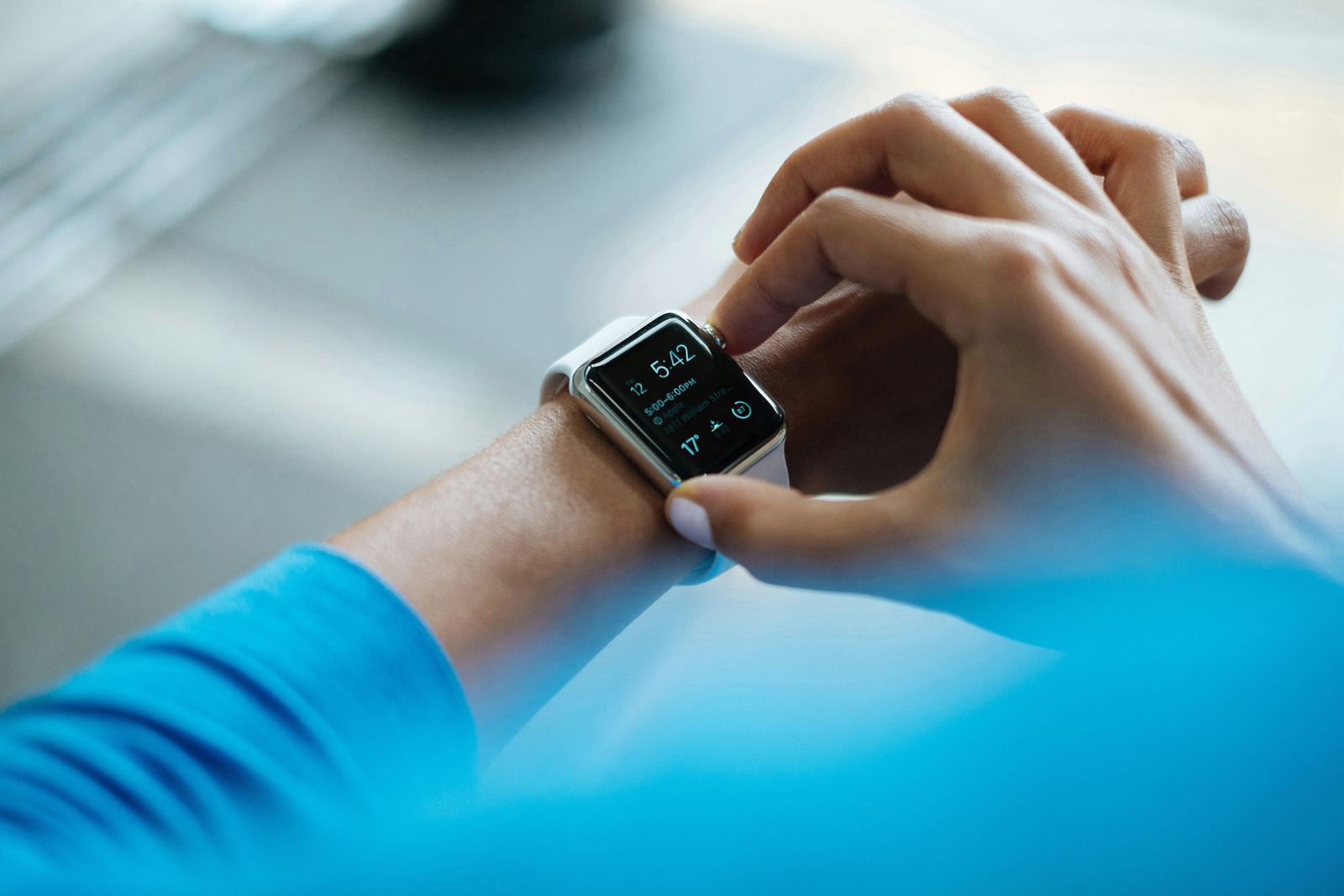
It also isn't the first wearable I've put on my body hoping it would quietly fix a habit. I already wear an Apple Watch Series 12 most days, and its Stand reminders do a version of the same job for movement — nudge, don't fix. Neither device does the work for you; both just make it harder to pretend you don't know.
The worst slouching now happens somewhere new: hunched over a laptop reading video transcripts, since I started editing this channel's videos by cutting text instead of a timeline. A faster editing workflow didn't fix the posture problem — it just moved where the bad habit happens.
The honest verdict: Thirty days in, my posture really is better — the app's own trend line backs that up — but only because I kept correcting it myself once the buzzing made me notice. It isn't a brace and it won't force your shoulders back for you. It's closer to a habit tracker that happens to live on your spine: useful exactly as long as you keep listening to it, and not a day longer.
If wearables that quietly reshape a daily habit are your kind of experiment, the rest of the wearable reviews and 30-day tests I've run — smart rings, sleep trackers, recovery bands and now this — are all collected on the wearables and fitness tech hub.
Questions people actually ask
Do posture correctors actually work?
In my experience, yes — but only the training kind, not the bracing kind. A device that vibrates when you slouch builds awareness you keep even after you take it off; a rigid brace that physically holds your shoulders back tends to work only while you're wearing it, and some physios warn it can even weaken the muscles you're trying to strengthen. Thirty days with a training-mode sensor changed how I sit; I doubt a brace alone would have.
Is the Upright GO 2 uncomfortable to wear?
Not physically — it's light enough that I forgot it was there within the first week, and the adhesive pad didn't irritate my skin even worn daily. The only real discomfort is the vibration itself, which is the entire point.
How long before you notice a difference?
The first real shift came around day eight to ten, when I started correcting my posture before the buzz rather than after it. A full month gave me a genuinely different baseline, not just a good week.
Do you still wear it every day now?
Not every day — I've moved it to tracking mode a few days a week to check I haven't slipped back, rather than training mode all day, every day. That's the goal it was built for: working itself out of a job.