A detailed report on Apple's smart home hardware plans landed this week, and I read it twice before letting myself have an opinion. A security camera. A smart doorbell. A 7-inch display for the kitchen counter. A tabletop device with an actual robotic arm. After nearly a decade of Apple treating the smart home like a software afterthought bolted onto the iPhone, it's suddenly the company with the most ambitious roadmap in the category. My reaction is more complicated than "finally" — so here it is, product by product.
I've spent three years and roughly fourteen gadgets figuring out what actually earns a place in my house versus what ends up in a drawer. I'm not reacting as an Apple fan waiting for permission to buy something — I'm checking whether Apple's plan matches what I already know this category needs.
What's reportedly actually coming
Strip out the speculation and the shape of the plan is fairly clear. This autumn: a HomePod mini refresh with a newer chip and Apple's own wireless chip, plus an Apple TV 4K bump that's more about keeping pace than reinventing anything — both reportedly laying groundwork for Siri's AI overhaul rather than being the headline act themselves.
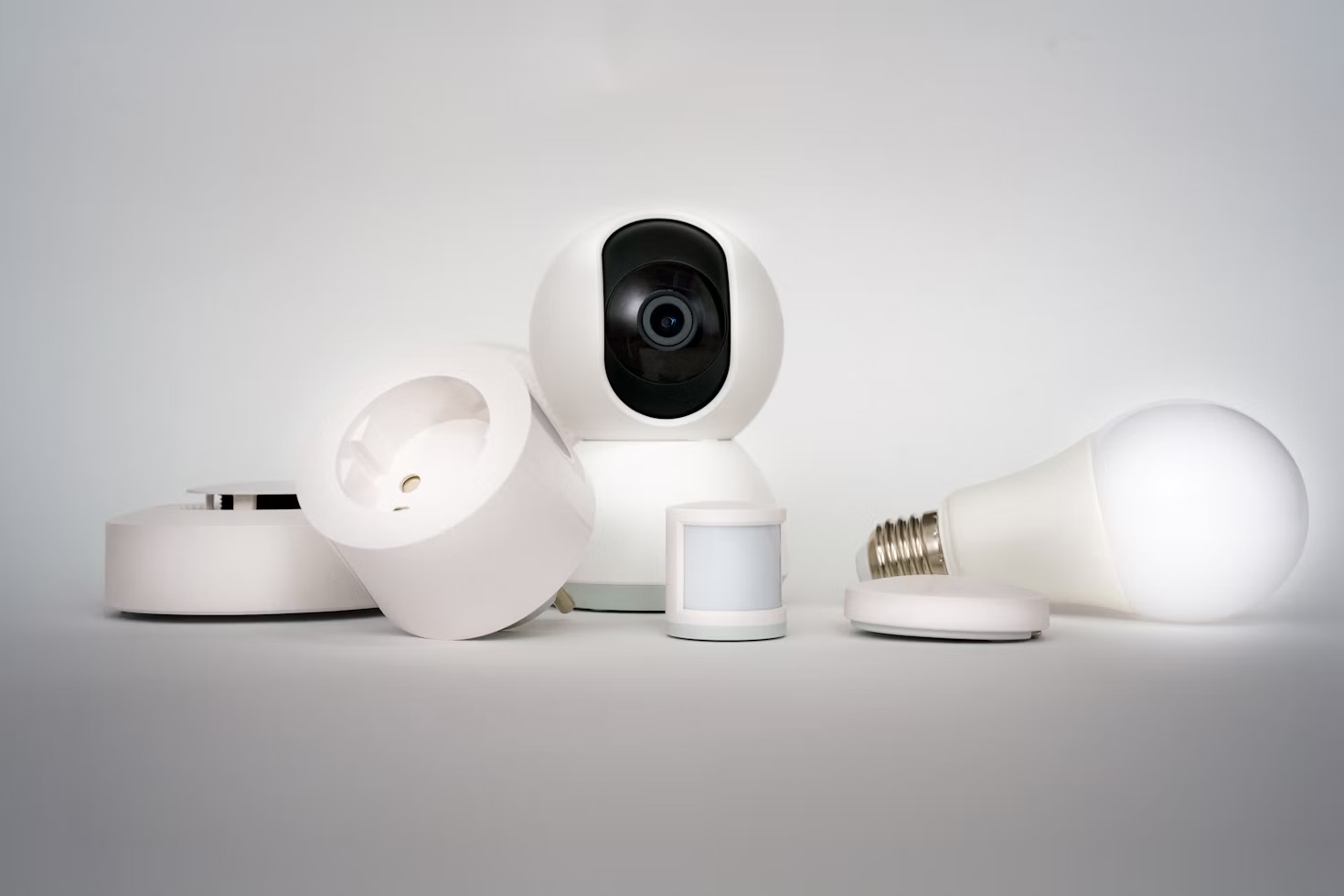
The part that matters more sits just behind that: a 7-inch square smart display, reportedly called HomePad, expected between October this year and early next, in wall-mounted and speaker-base versions. Further out, Apple's first entries into security cameras and video doorbells — categories it has only ever supported through HomeKit, never made hardware for — and a genuinely strange tabletop device with a 9-inch screen and a robotic arm that can apparently move to follow you or gesture during a call.
The bit that actually excites me
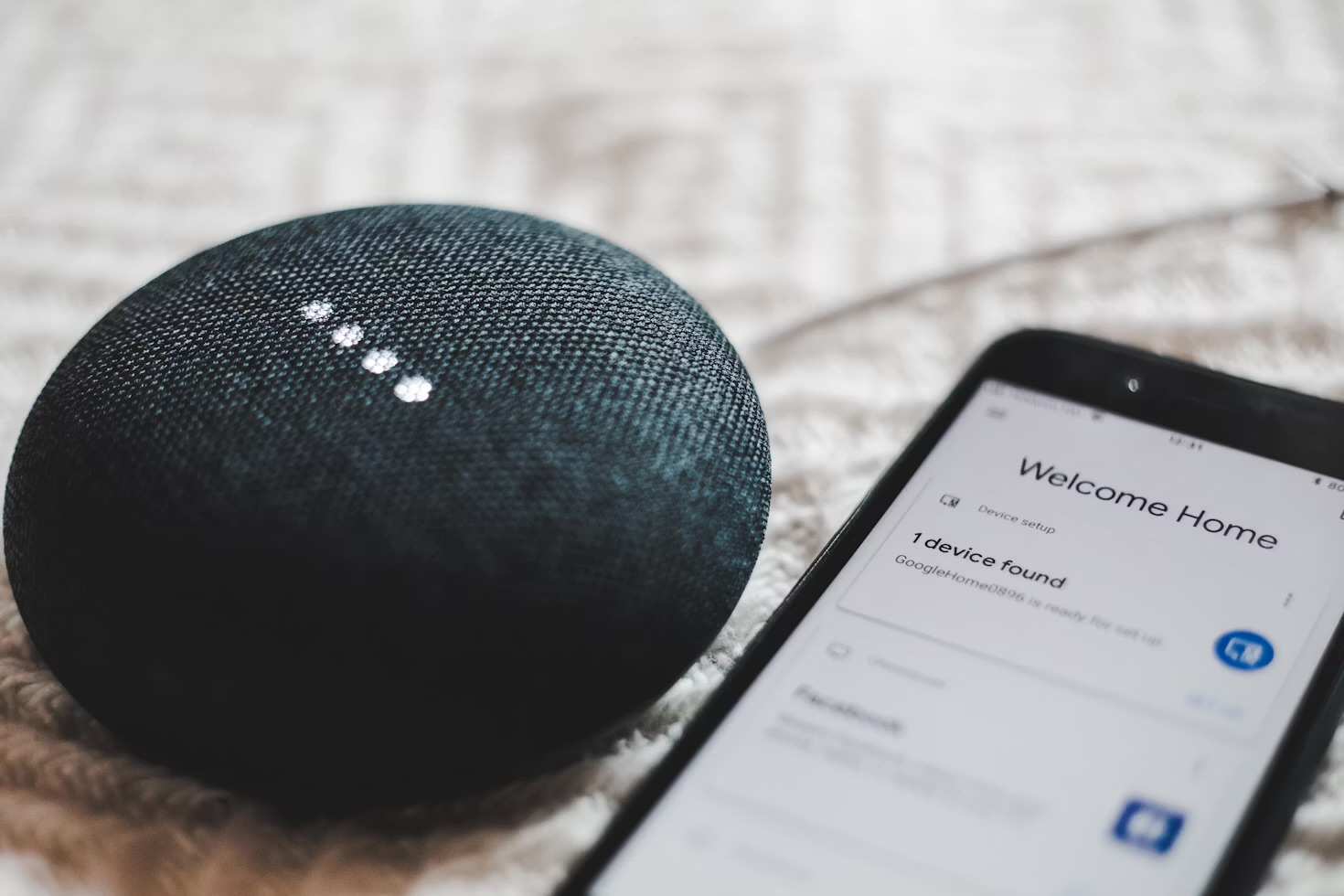
HomePad, without much competition. Every smart display I've lived with — including the one on my own kitchen counter for the better part of a year — has the same failure mode: the voice assistant behind it is fine for timers and lights and genuinely bad at anything resembling a conversation. You learn its narrow vocabulary and you stop trying anything outside it. If Siri's AI rebuild is actually the reason this whole roadmap got unstuck, as the reporting suggests, then the interesting product isn't the screen — it's what's finally running behind it. A display you can talk to properly, that can see who's at the door, check the calendar and control the lights without you rephrasing the request three times, is solving a real daily friction rather than a marketing one.
It also lines up with something I noticed writing about what changed with Matter 1.6: the industry has spent two years making the plumbing between devices boring and reliable, which quietly clears the way for the assistant layered on top to matter more than the brand of hub underneath it. Apple showing up late to hardware isn't as costly as it would have been three years ago, precisely because the switching cost between ecosystems has come down.
The bit I'm genuinely unsure about
A camera and a doorbell from Apple sound, on paper, like exactly what this category needed — a mainstream brand with a real privacy reputation, competing directly with Ring and Nest, both of which have had well-documented access and data-sharing controversies. What I'd want answered before I put one on my own front door is the boring but important part: what's processed on the device versus sent off it, how long footage sits somewhere, and who besides me can request it. Apple's default answer to that question has historically been better than most, but "historically better than most" isn't the same as "confirmed." It's the same instinct that sent me down the rabbit hole writing about the VPN privacy myth I believed until I actually tested it — the risk with always-on devices is rarely one dramatic breach, it's the slow accumulation of ordinary footage sitting somewhere you didn't think hard about.
The robotic-arm tabletop device, meanwhile, I can't get excited about yet, and I say that as someone who's generally the target audience for a weird gadget. A screen that physically turns to follow you during a call is genuinely novel and, on the evidence of every "the display tilts toward you" feature I've tried before, more likely to end up a party trick than something that survives past week two. I've written before about why I stopped automating everything in my own smart home, and the lesson applies here directly: a device earns a permanent spot by removing a chore or a decision, not by doing something impressive once and then sitting there.
"A screen that moves to follow you is a demo. A screen that finally understands what you're asking it is a product. Apple's roadmap has both — I only trust one of them to still matter in a year."
Why this is happening now, and why it took so long
The honest read is that Apple sat out proper smart home hardware for the better part of a decade because Siri wasn't good enough to be the thing a camera or a display leaned on, and shipping mediocre AI behind good hardware would have been worse for the brand than not shipping at all. That's defensible, even if it was frustrating to watch from the outside — HomeKit existed, but it always felt like Apple was managing other people's hardware rather than building its own vision of the category. If the reporting is right that the Siri rebuild is what unlocked this roadmap, the sequencing makes sense: fix the assistant first, then build hardware worth putting it inside. It's also why this isn't one product landing all at once but a staggered rollout stretching from this autumn into next year and beyond.
What I'd actually do with this information
If you're already inside Apple's ecosystem and shopping for a smart display, camera or doorbell right now, I wouldn't rush to buy something incompatible purely on the strength of a leak with no ship date attached — HomePad in particular sounds like it could still be six-plus months out. If you genuinely need something today, buy the Matter-certified option from an established brand and treat it as a bridge, not a permanent decision. If you can comfortably wait, this is the first Apple smart home roadmap in years I'd actually recommend waiting for — not because everything on it is exciting, but because the one piece that is (a genuinely capable assistant behind the glass) is the piece that was always missing. You can see the full category breakdown, including what I already own and would defend, on the smart home hub.
The honest verdict: Apple's roadmap is the most ambitious smart home plan the company has had in a decade, and the interesting part isn't the hardware — it's that Siri's rebuild is reportedly what finally made the hardware worth shipping. I'd wait for HomePad. I'd want real answers before trusting the camera with my front door. And I'd bet against the robotic arm surviving past the review cycle.
If you want my reaction to whatever Apple actually confirms, join the Brite newsletter — I'll be testing whatever lands on my own counter, not just reading the press release.
Questions people actually ask
What smart home hardware is Apple actually launching?
Reported plans include a refreshed HomePod mini and Apple TV 4K this autumn, a 7-inch square smart display called HomePad arriving late this year or early next, a security camera and a smart doorbell as Apple's first standalone accessories in that category, and further out, a 9-inch tabletop display with a robotic arm. None of it is officially confirmed by Apple — this is all reporting ahead of launch.
Why has Apple been so slow to enter smart home hardware?
By most reporting, Siri's AI overhaul held the whole roadmap back — Apple didn't want to ship a camera or a display that leans on an assistant that can't yet hold a conversation properly. With that piece reportedly closer to ready, the hardware plans are moving again.
Should I wait for Apple's smart home devices instead of buying now?
Only if you're already deep in Apple's ecosystem and can live without a camera or doorbell for another year or more. If you need something today, a Matter-certified device from an established brand will work fine as a bridge — see my walkthrough of what changed with Matter 1.6 for why that switching risk is lower than it used to be.
Is a security camera from Apple actually a good idea?
The hardware, almost certainly. The part I'd want answered before buying is what happens to the footage — whether processing happens on-device, what gets stored where, and for how long. Apple has a strong privacy record to lean on here, but a camera watching your front door is a different category of trust to a phone in your pocket.
What's the most interesting product in the leaked roadmap?
HomePad, by a distance. A proper display in the kitchen or hallway running an assistant that can actually hold a conversation solves a real daily friction — checking the calendar, controlling lights, seeing who's at the door — in a way a robotic arm on a tabletop device doesn't, at least not yet.