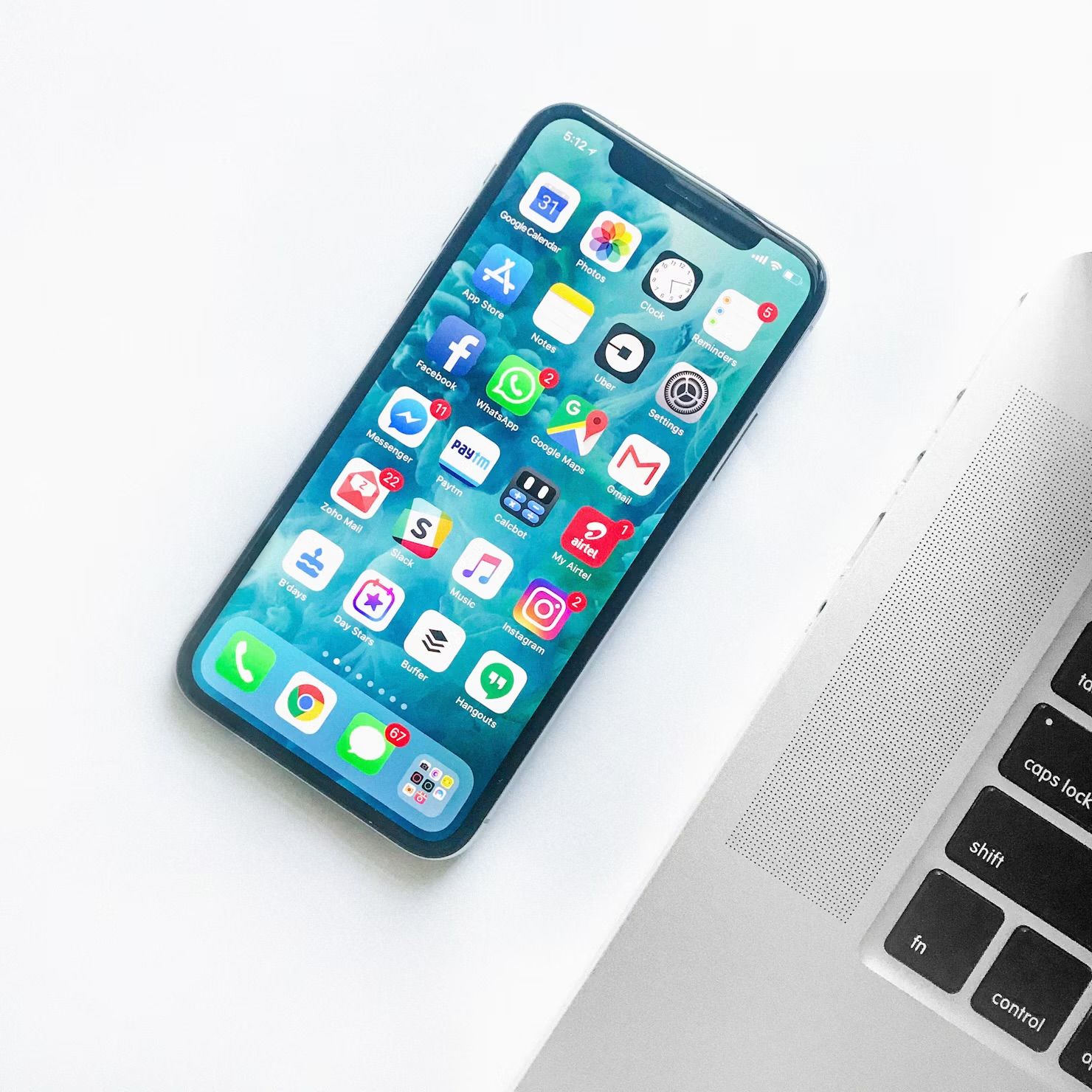
I've repeated some version of "turn off your notifications and you'll finally focus" for years without ever actually testing it properly. Two weeks ago I stopped treating it as a slogan and ran it as an experiment: every notification off except phone calls, for a full fortnight of otherwise normal work. Something did change. It wasn't the thing I expected.
This is the kind of advice that survives because it's plausible, not because anyone checks it. Every notification is a tiny interruption, interruptions cost focus, therefore fewer notifications equals more focus — it holds together right up until you actually live inside it for two weeks and notice which parts were true and which parts you'd just assumed.
The myth I'd absorbed without ever testing it
I'd made half-hearted attempts before — muting one chat app for an afternoon, turning off badges for a weekend — and each time I quietly credited it with a good day that was probably just a good day. What I'd never done was the full version: every app, every badge, every banner, for long enough that the novelty wore off and I was left with whatever actually happened underneath.
So the rule for two weeks was simple. Phone calls only. Everything else — messages, email, social apps, news, the lot — went into a single allowlist-only Focus mode that stayed on from wake to sleep, not just during work blocks.
What "off" actually meant, day to day
The setup itself took about ten minutes: a custom iOS Focus profile with everything muted except calls and a short list of people, badges disabled app by app rather than trusting the blanket toggle, and the same discipline carried over to the desktop I switched to a few weeks back — no Slack or email tab left open by default, since a proper desk setup already does a lot of that separating for you just by not being the same device I carry into every room.
Checking happened at set points instead — mid-morning, after lunch, early evening — rather than whenever something happened to arrive. That's the part that sounds obvious written down and turned out to be the actual hard part in practice.
The first three days were the hard part, not the useful part
I'd expected the discomfort to be front-loaded and the benefit to follow quickly. What actually happened was three days of reaching for my phone at the exact moments a notification used to arrive — reflexively, for nothing, because the habit had never really been about the alert. It was about the checking.
"The silence didn't stop me reaching for my phone. It just meant nothing was there when I did."
That's the uncomfortable admission underneath this whole experiment: a meaningful share of my "notification interruptions" were never notifications at all. They were me, opening an app because I was bored or stuck on something, and the badge or banner just happened to be a convenient excuse for a habit that would have found me anyway.
What actually got better
The genuine win showed up in the evenings, not during work. Without banners stacking up across the day, there was no accumulated backlog waiting for me at 9pm, and nothing pulling my attention sideways while I was doing something else — reading, cooking, sitting with my family. That quieter tail end of the day compounded with a change I'd already made: since I moved my phone out of the bedroom, the last hour before sleep had already gone quiet. Killing daytime notifications extended that same calm backwards into the evening instead of it starting abruptly at bedtime.
Reactive replying dropped too — the instinct to answer a message within ninety seconds because I'd seen it arrive. Nothing arrived, so nothing demanded an instant answer, and most things turned out to be fine waiting until my next scheduled check.
What stayed exactly the same
My actual deep-work sessions weren't meaningfully longer. That's the part that punctures the myth as I'd understood it. The apps I opened voluntarily — out of boredom, out of habit, between one task and the next — cost me just as much time with notifications off as they did with them on, because nothing about silence stops you from choosing to open something.
It's the same gap that shows up in how I've started treating repeated decisions generally: the friction that actually changes behaviour isn't removing one trigger, it's removing the moment of choice itself. I've written before about how saving a prompt instead of rewriting it each week works for the same reason — the win isn't the tool, it's not having to decide from scratch every single time. Turning off notifications removed a trigger. It never removed my own willingness to go looking.
The honest verdict: notifications-off is a real, worthwhile change — quieter evenings, less reactive replying, no backlog waiting at the end of the day. But sold as a focus fix, it overpromises. The actual focus killer was self-interruption, not incoming alerts, and no amount of silence touches a habit you're the one triggering.
What I kept and what I turned back on
Two weeks in, most of it stuck. Banners and badges are still off for everything except calls and a short family allowlist, and checking at set points rather than on arrival has genuinely become the default rather than an effort. I did turn two things back on: calendar alerts, because missing one cost me an actual meeting in week one, and two-factor authentication codes, because waiting for a scheduled check to log into something is just friction with no upside.
If notifications are the thing sending you looking for a fix, they're worth turning off — just don't expect it to solve the part where you go looking anyway. If you want the next honest verdict before it goes live, join the Brite newsletter.
Questions people actually ask
Do notifications really hurt focus, or is that overstated?
They hurt more than people give them credit for, but not in the way the advice usually implies. The interruption itself is short. What actually costs you time is the re-entry — the few minutes it takes to remember what you were doing and get back into it. Turning notifications off removes the interruption, but it doesn't remove the habit of checking anyway, which is the part that surprised me most.
How long does it take to break the habit of checking your phone?
For me the reflexive, notification-free checking dropped off noticeably after about four or five days, but it never fully disappeared in two weeks. It's closer to a slow decline than a clean switch. Expect the first three days to feel worse than normal, not better, before anything improves.
Should I turn off all notifications or just some?
Just some, in my experience. Going fully silent for everything except phone calls worked because I kept a tiny allowlist for the things that are genuinely time-sensitive — calls from family, calendar alerts, two-factor codes. A blanket "everything off" approach tends to get abandoned within days because it starts feeling risky rather than restful.
Will I miss something urgent if I turn off notifications?
Not if you keep a short allowlist for what actually counts as urgent. In two weeks I didn't miss a single genuinely time-sensitive thing, because the messages I was worried about missing almost never came as a single ping — they came as a call, or a second message a few minutes later when the first one wasn't answered.
Is a notification detox better than a screen time limit app?
They solve different problems. A screen time limit caps how long you're in an app once you've already opened it; turning off notifications reduces how often something pulls you in without you choosing to open it. I found the notification change did more for my evenings, but neither one touches the habit of opening an app voluntarily out of boredom — that part has to be handled separately.