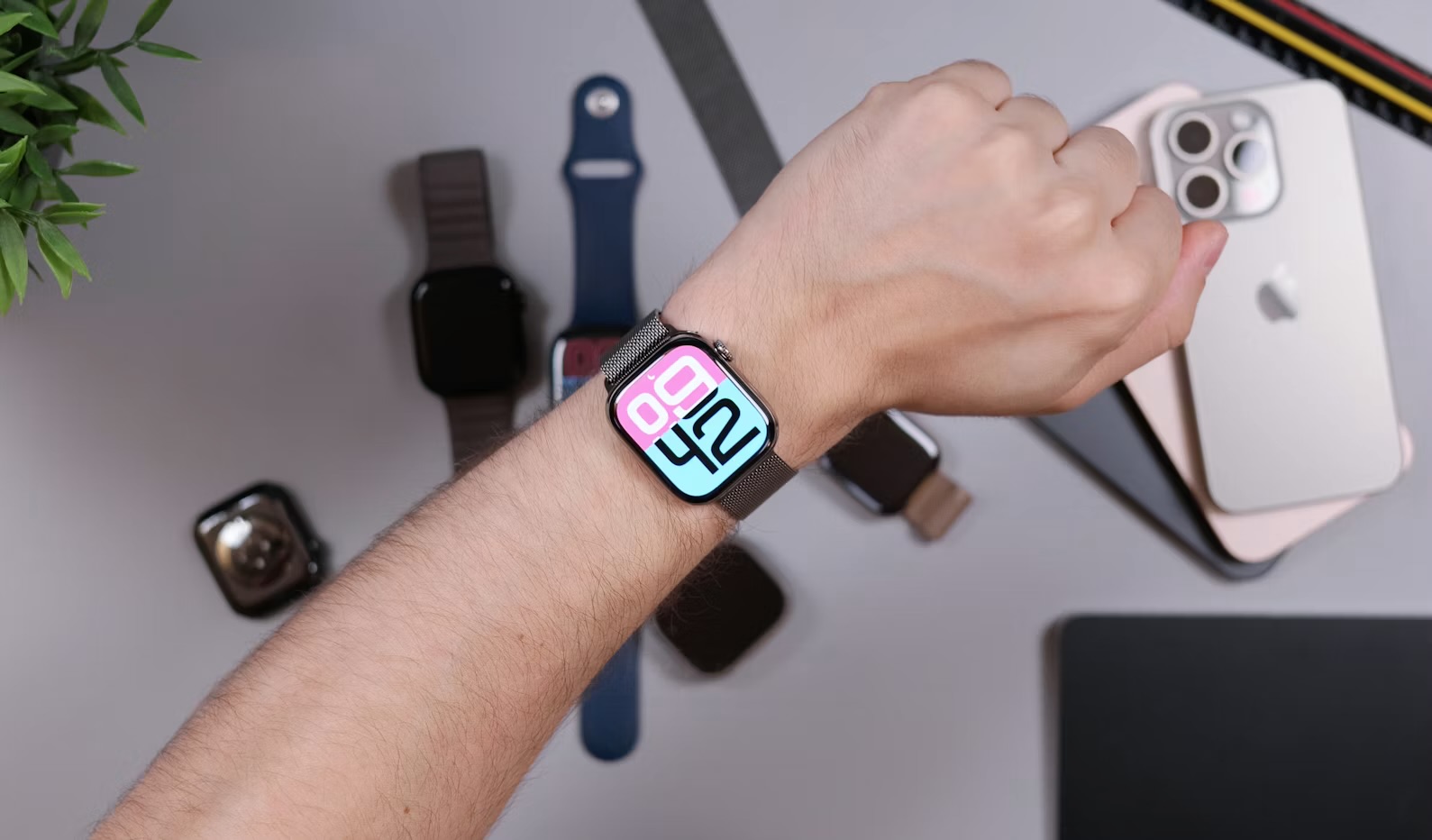
For years my watch told me to stand, to breathe, to close a ring and to start a workout I had already started. I turned all of it off for a month. I expected to get lazy. It did not go that way.
Every smartwatch sells you the same promise: it will nudge you into a healthier life. The buzz on the wrist at ten to the hour, the "you're almost there" at six in the evening, the cheerful prompt asking whether you are doing a walk. I believed in that promise and wore it proudly. Then I noticed something uncomfortable. I was swiping most of those messages away without reading them.
That is the problem with a reminder you have learned to ignore. It is no longer a reminder. It is a small tax on your attention, paid forty times a day. So I did the opposite of what the marketing suggests and switched the lot off.
What I actually turned off
I went through the watch's activity settings and the notification list in the companion app, and I was surprised how many separate nudges there were. Here is what went:
- Stand reminders. The hourly "time to stand" buzz.
- Daily coaching and goal completion messages. The "you're close, finish strong" notes and the little celebration when a ring closed.
- Automatic workout detection prompts. The watch asking whether I had started a walk or a run.
- Achievement and badge alerts. Streaks, awards and monthly challenge banners.
- Breathe reminders. A lovely idea that I had never once followed.
The watch still counted my steps, tracked my heart rate and recorded any workout I started myself. I lost the prompts, not the data. That distinction matters, because it is the reason this is a safe experiment for anyone to try.
Week one: it felt like I had broken something
The first few days were oddly quiet. I kept raising my wrist expecting a message and getting nothing. By Wednesday I caught myself sitting for nearly three hours on a deadline, which is exactly what the stand reminder exists to prevent. I will be honest: the first time that happened, I nearly switched it all back on.
But I noticed something about why I had sat so long. The buzz had never been what got me out of a chair on those days. When I was properly absorbed I swiped it away every time. The reminder had been giving me a feeling of being looked after without changing my behaviour.
Week two and three: I started deciding for myself
Without the watch deciding when I should move, I had to decide. I started tying movement to things in my day rather than to the clock. A walk after the first call of the morning. Standing up while the kettle boiled. Taking the phone calls on my feet. Nothing heroic, and none of it was new advice, but it was mine, so it stuck.
This echoes what I found when I went back to paper for planning: handing a decision back to myself made it stickier than any app prompt did. If that interests you, I wrote about it in paper versus an app for my daily plan. A tool that nags can be less effective than one that waits for you to choose.
My step count over those three weeks was, as far as I can tell, no worse than before and probably a touch better on working days. I am wary of claiming too much. This is one person, one month, no control group, and I was also paying more attention to my movement simply because I was running an experiment. Treat it as a report, not a result.
Week four: what I missed, and what I brought back
By the last week I knew which nudges had value and which were noise. Two earned their place back:
- An inactivity alert on desk days. Not hourly. A single prompt after a long unbroken stretch, which is the one case where I genuinely lose track of time.
- One end-of-day nudge if I am a long way from my movement goal. I want that information when it is still possible to act on it.
Everything else stayed off. The streak alerts were the easiest to let go. I had written before about why I stopped chasing my VO2 max score, and the same trap sits behind a streak: you start doing things to keep a number alive rather than because they do you any good.
Who this is not for
I should be fair to the other side. If you are recovering from an injury, managing a health condition, or you have recently started moving after a long stretch of not doing so, reminders can be a real help and I would not tell you to switch them off. The same goes for anyone who finds that the buzz works for them. The point of my month was not that nudges are bad. It was that I had never checked whether mine were working.
My verdict: if you swipe away most of your watch's reminders, turn them off for a month and see what you do instead. Keep the one or two you obey, drop the rest. A reminder only counts if it changes what you do.
If you want more of this
If you are curious which features are worth the battery and attention, I keep a running list of the wearable features I actually use. And the wearables and fitness tech hub collects everything else I have worn and tested, while my wearable data guide helps with making sense of the numbers behind the nudges. If a phone habit is the bigger drain for you, the notification detox myth covers that side.
Questions people actually ask
Should I turn off the stand reminders on my smartwatch?
If they nag you into standing up and you resent it, yes, try a month without them. If a reminder genuinely gets you out of a chair after a long run of meetings, keep that one. The test is simple: do you move because the buzz arrives, or do you swipe it away and stay put?
Do smartwatch reminders actually make you more active?
They can for a while, mostly at the start. In my case the novelty wore off and I began dismissing them without thinking. I have no study to quote, only my own month, and mine suggested that a nudge you ignore is worse than no nudge.
How do I turn off stand reminders on an Apple Watch?
Open the Watch app on your iPhone, tap Activity, then switch off Stand Reminders. In the same place you can turn off Daily Coaching and Goal Completions. Other watches have a similar notifications or goals menu in their companion app.
Which reminders are worth keeping?
I kept two: a single end-of-day nudge if I am a long way from my movement goal, and an inactivity alert on days I am working at my desk. Everything else, including workout detection prompts and achievement badges, went.
Will turning off reminders hurt my fitness tracking?
No. The watch still records steps, heart rate and any workout you start yourself. You lose the prompts, not the data.